
Avocado exporter doubles earnings by controlling harvests to fruit off-peak

By Antynet Ford and MaryAnne Musilo
Avocado exporter Kagio Agri Farm is using its irrigation to control its harvest dates for when avocado prices are highest, more than doubling its earnings with July fruits, versus the typical prices in the peak season in March each year.
In an interview with FarmBizAfrica, Collins Kipkirui, an agronomist at the 110 hectare hass avocado farm in Kirinyaga and Embu, said the farm had been timing fertilisation and irrigation to control its new season for over a decade, after realising in its first years of operation that the price premium was huge.
“In March, when Horticultural Crop Department (HCD) opens the avocado season, the prices are always low. You find one can sell a grade 1 variety, which is the one for export, selling at Sh60 per kg,” said Collins.
“In May, prices start going high. And it is around this period that you will find the price at Sh80 per kg. Around June, the prices are at Sh100 per kg because the volume is low, it is now like gold.”
“By July, it is Sh120 per kg, with August being the most lucrative though the fruits are always not much, and is Sh140 per kilo up to November, when the export season is closed, as the graph starts going down and farmers can even sell at Sh40 per kg around that season,” he said.
To control the timing of irs harvest, it forces a new season by giving fertiliser and irrigation that quickly see the trees drop their leaves and then develop new shoots.
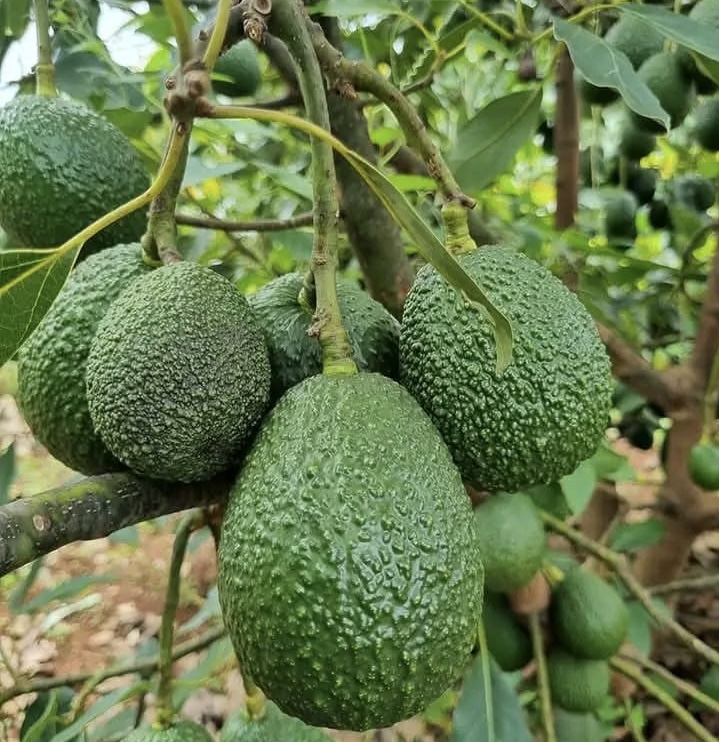
After harvesting, the farm weeds and slashes the area around the trees to avoid bushy growth around them and ensure the farm hygiene is well maintained. But it stops all inputs to the avocado trees.
“When we finish our harvest in July or early August, instead of immediately going back into operations like irrigation and putting manure on the trees, we deny that to the crops,” he said.
“When you start the operations immediately, it means the trees will shed the leaves quickly, that is, for the previous season, and it shoots immediately and flowers. So, when it flowers in say July or August the fruits will be ready in February or early March and this will put you at risk if you do not have a ready market.”
“So what we do is we do not irrigate; neither do we apply manure or fertiliser to the avocado trees. So when we finish the July harvest, for two months we just slash (around) the trees and maintain the orchard with zero irrigation, just maintaining hygiene. We also do some weeding.”
“Fertilizer, manure and water are put on hold until September or end of August. Like now, we resumed operations this month (September). So now, after we have resumed, the plants have already shed leaves, so when we have started applying fertilizer, manure and watering this month, it will start shooting and have thin heads (avocado flowers). The major flowering now is set for the end of September and early October,” he said.
“With this, if you give the fruits seven months from October, the first maturity will be in May or June. And this helps Kagio agri farm secure a market properly because we plan for the same,” he said.
“After the crops have produced fruits, the work then is just maintaining them by use of fly traps after you’ve crossed to the next year. We also water them to ensure that the kilograms are a little good.”
In terms of irrigation, the worry can be waterlogging, but the farm has good drainage.
“On water, if it rains naturally, there is no measurement or requirement for a certain amount of water. What is always risky is waterlogging, as always in every orchard. As El Niño comes next month, that’s what could worry most fruit farmers, but our terrain is good so we have no risk of waterlogging,” said Collins.
“People who have waterlogging risks are those with flat land, but they always do terracing, or, during planting, they may decide to do contour farming. It is all preparedness. So apart from the coming El Niño, avocado generally doesn’t need a lot of water. Waterlogging can make your Avocado trees dry up because of root rot,” he said.
But the farm has not been able to avoid the price impacts of this year’s market blockages.
This year, the prices at the end of August did not go up past Sh100 per kg, and the highest price because this year the highest Kagio Agri Farm sold for was Sh90 per kg, versus last year, when it went over Sh120.
“Logistics was a big problem we encountered this season because of the Middle East war, as the number of flights reduced and the number of days that ships have been taking at sea are also many, upto almost 60 days,” he said.
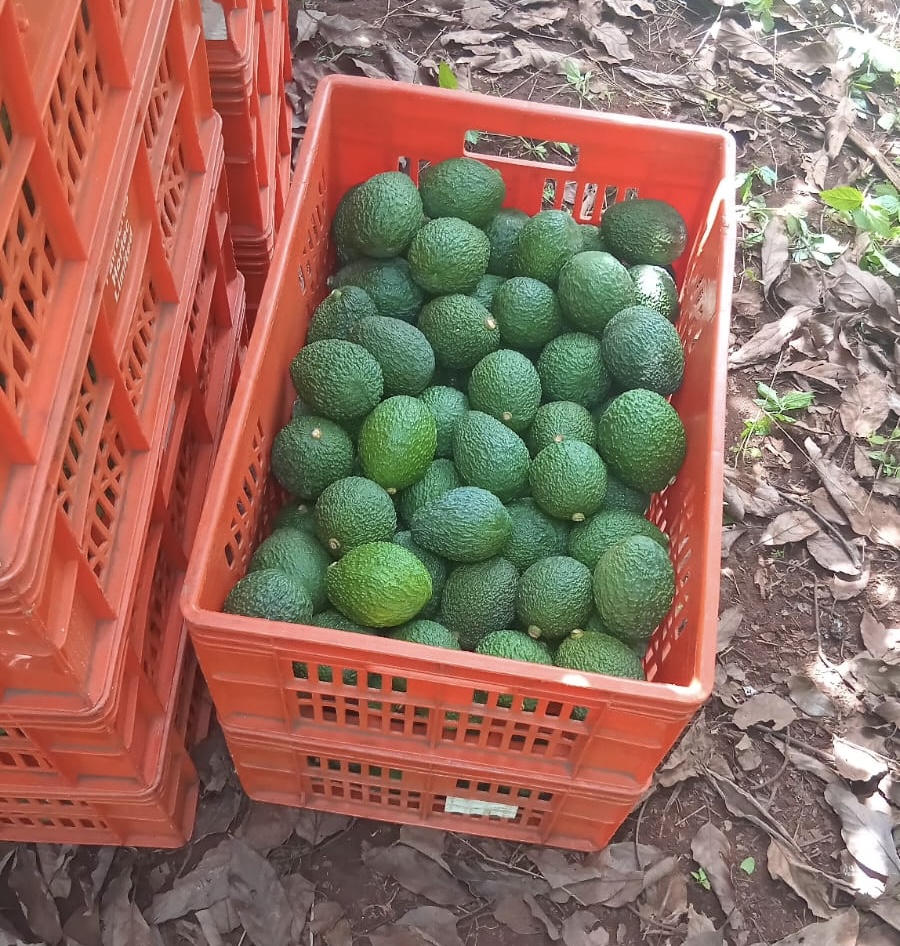
The price is also lower for grade 2 avocados. With hand picking to stop bruising and damage at harvest, Kagio exports an average 180 tonnes per season, with only 20 tonnes that do not meet the requirements of texture, physical appearance and size for export. These are sold locally to oil processors.
“The recommended export size is from 8- 30. If the size is 32 it cannot be accepted. So the reject, which we call grade 2, we sell locally and to oil cold pressing companies, where we sell from Sh40, ” he said.
Get your farming news by email.
Free. Market prices, crop news and farmer opportunities, straight to your inbox.