
Beat the salt to get 9x more rice, says Tana’s best woman farmer
By Antynet Ford
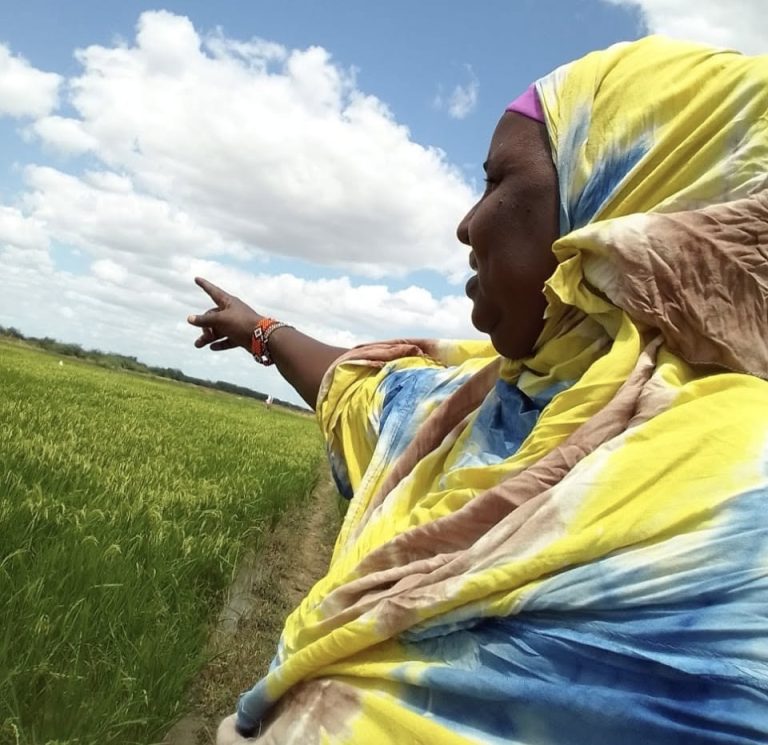
Named the best woman farmer in Tana River County, last month, Halima Kora has lifted her acre of rice farm from an initial four bags to 20 bags a season by solving the water salinity in the Hola irrigation scheme and ending the crop burning and stunting that initially wrecked her crop.
Arriving from Kilifi four years ago, Halima went straight into rice growing, but the results were close to disastrous, she told FarmBizAfrica.
“You know, for rice, the first time is a challenge, especially when it has never been farmed in the land that you’ve taken. For such a farm, the salinity is always high, and you need to neutralise it before you start. There are farms which have been overused with no rotation hence you need to plant, say, seed maize before rotating with rice the next season and it will now perform well,” she said.
“When I farmed rice here for the first time, I did not know about neutralising the soil and water first, so all my rice was burned by the salinity. In my acre of rice, I harvested only four bags instead of the normal twenty. The second time, because I had learnt how to neutralise it with wood ash and the freshest water, I got 15, and now I am at 20 per acre,” she said.
Hola has long had a problem with soil salinity, with high sodium levels that also come to the surface in the irrigation water.
It’s an imbalance that prompted KALRO to launch a saline-tolerant rice at Hola in 2023, with studies showing that, unaddressed, salinity can cut rice yields by up to 70 per cent.
Wood ash does help the rice by giving it more potassium, which limits the sodium it takes in – where it is the sodium causing the crop burning. But it’s a delicate tool, in that it can actually make the soil salinity worse.
The best remedy is the flooding itself, says KALRO, and washing away the salinity.
For Halima, “the process to neutralize begins before I plant the rice where I spread ash in the whole farm. The ash helps neutralize the soil because of salty water that may have got there. But an easier way to do it is when there is a lot of water and there is no rationing, which normally happens where the level of water at the dams has dropped, I always introduce freshwater into fields before planting. The fresh water helps to dissolve accumulated salts, and drain the salty water away,” she said.
“The biggest challenge is when the water is rationed or when the supply is cut short in my section because one of us did not pay. The other thing is that birds are a real risk to us. Sometimes there are many, until I am unable to control them. That gives me a lot of losses.”
But by controlling tge water channels to stop saline water when the flow is low, and open her farm to water when the pumping level is at its strongest and the water is fresher and less saline, she has moved to solid profits.
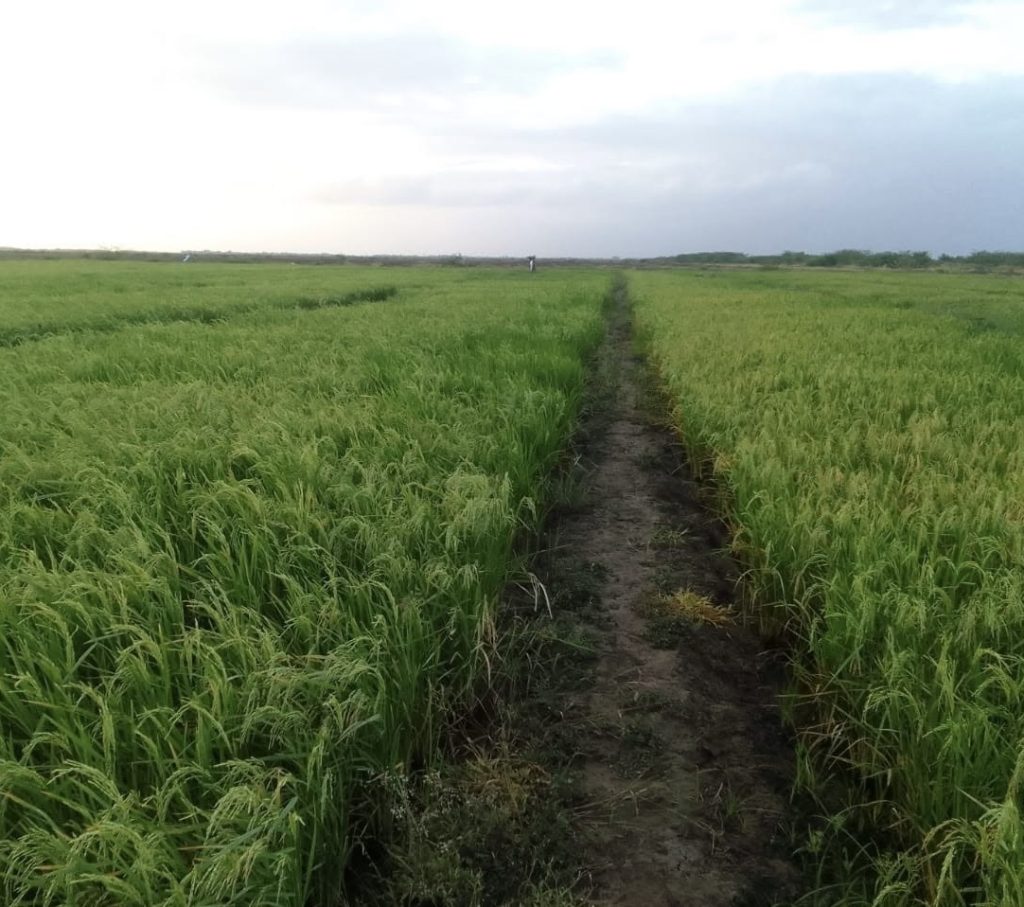
“From preparation to harvest, I use Sh60,000. Then, for profit, in the first harvest, you can get 20 bags per acre; then the second harvest goes down to 15 bags; then you wait for the next planting season because, after two harvests, we uproot,” said Halima.
“A kilogram is sold at Sh55. For the 100kg bags, if you get 20 bags, multiply by 55; you get that the profit is good. At times, the second harvest comes with the same twenty bags, but mostly less.
With sales earning from Sh192,500 to Sh220,000 per acre across both seasons, “farming rice makes good money,” she said, “and that is why I have been doing it for the last four years since I came to Tana River.”
Previously, in Kilifi, Halima farmed maize and watermelon and was fully dependent on rain. She is earning far more farming under irrigation now she has learnt the lessons of neutralising water salinity, she said.
Read next


Get your farming news by email.
Free. Market prices, crop news and farmer opportunities, straight to your inbox.
Set county, crops and alerts
Become a free member so weather and saved tools follow your farm profile