
Honey exporter recruits farmers to meet surging global demand
By Antynet Ford
Exporters Yatta Beekeepers is recruiting honey farmers to meet local and export demand that is growing faster than it can source.
With traditional global honey producers Ukraines, the US and China hit by war and falling production, world prices have been rising as buyers search for new supplies, particularly of specialist varieties of honey.
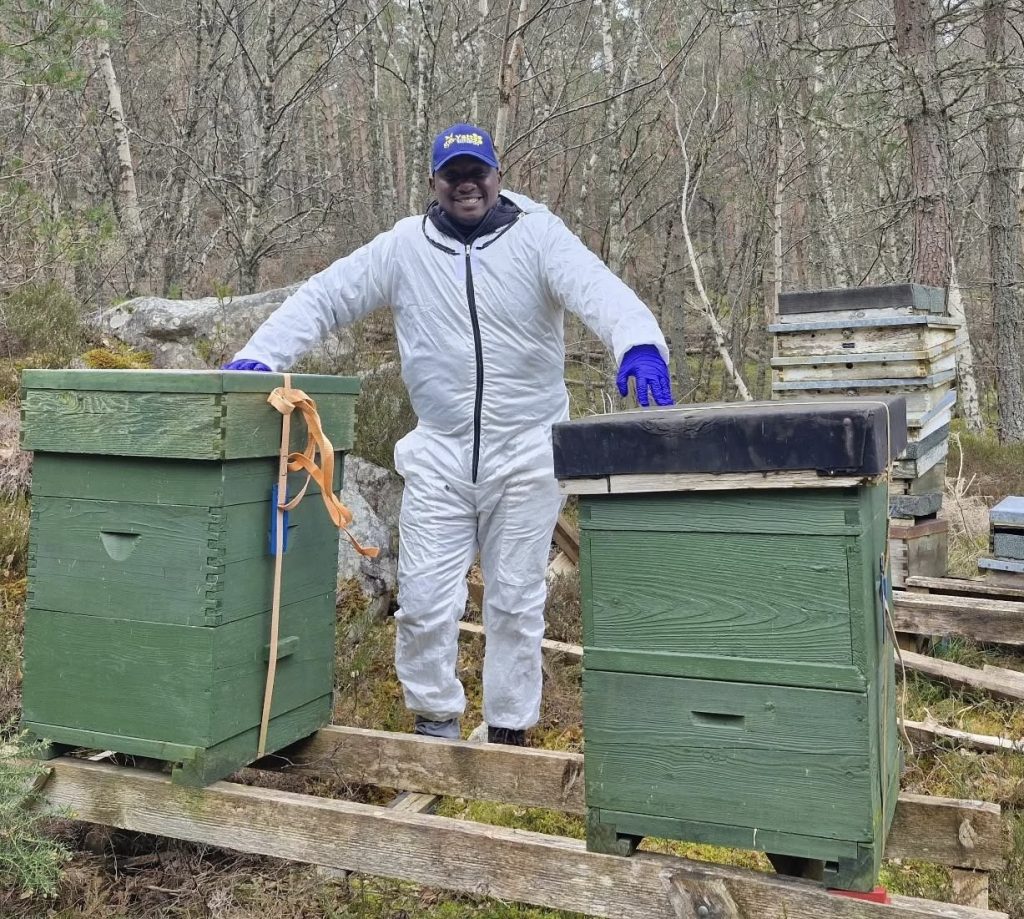
In an interview with FarmBizAfrica Yatta founder and CEO Tony Nzomo said this was driving the company, which is based in Machakos, but which sources countrywide, to recruit new honey farmers.
“The biggest challenge is our farmers’ post-harvest handling issues; the quality and how they handle the produce after harvest are a big challenge for us. Customers are there, but the problem is whether the farmers are able to follow the guidelines that we give them to ensure that the market quality standard is achieved,” he said.
Yatta, which started producing honey in 2016 and registered as a company two years later, has sourced from farmers for the last 10 years, currently paying Sh500 per kg.
The Ukambani and Baringo regions are currently its largest suppliers, most often of specialist honeys.
“We have acacia honey predominantly from the drier parts of Kenya, such as Pokot, Turkana, Marsabit, and Garissa. We have other varieties such as Mangrove honey from the coast and now the one that comes from the Western region of Kenya, which includes Flora,” the CEO said.
With global demand strongest for specialist honey and US honey production having fallen sharply, the company is now prioritising exports to the US.
“We started exporting honey last year, and we are still looking for more market opportunities in the US where we are targeting by December of this year, as we are currently exporting to the United Arab Emirates(UAE).”
US honey production fell by 14 per cent last year, compared with 2024, to its lowest level since records began in 1939.
Yatta is now exporting around two tonnes a month of honey, charging around $7 to $10 per kg, depending on the importing country, quantity, exchange rate, and season.
But the honey sourcing is only a small part of its costs.
“It is not easy because a lot of certifications are required, including the ISO certification for food safety, the Certificate of Origin, KEBS certification, organic certification as it verifies organic production standards by certifying bodies such as Ecocert (but is not required always) “
“You also need the Apiculture Export License, which is the authorisation to export honey and bee products by the Agriculture and Food Authority (AFA), and lastly, the phytosanitary certificate by the Kenya Plant Health Inspectorate Service (KEPHIS), which confirms honey is free from pests, diseases, and harmful substances,” said Tony.
Meeting these requirements and customers’s specifications requires several processes.
“Some customers always want pasteurized honey, and for that, it must be between 30 and 35 degrees Celsius so it doesn’t compromise the honey’s quality. For heating, when you do it, it has to be with low temperatures as per the customer’s specifications,” he said.
“In terms of taxes, it is the same as any agricultural import, where you have to include all the taxes and any other costs that you may incur, which affects the prices at which we sell the exported honey. Orders depend on the quantity, but generally tax compliance is not a challenge, as we pay all that we are required to. When we are exporting the honey, we talk to our customers to know whether they will be able to cover the shipping cost or anything else that may require them to chip in,” he said.
They also specialise in premium honey.
“Premium honey depends on several factors, starting with the type of hives that you have. Number two, where you are doing the beekeeping, the handling, which matters a lot as it influences the quality a lot, and lastly, the packaging, whether it is glass, how you are doing the labelling; those are the factors that define the premium and regular as it makes a difference on the sale to be made per kilo,” he said.
Yatta currently sources from between 800 to 1000 farmers, but is keen to recruit more, where they can meet the standards.
“Currently, we are not meeting the export demand for honey, the same as locally, where the demand is crazy, as Kenya also imports honey. The demand is there, and my encouragement is that farmers need to practice beekeeping as a business to ensure they produce honey and get something from it. The demand is way higher than the supply,” he said.
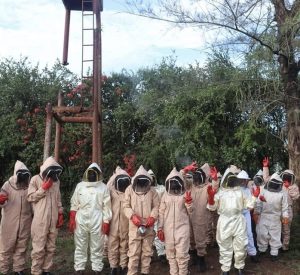
“The standards we look for simply begin with the method of harvesting, where we train the farmers supplying us in the proper use of equipment and the smokers. From inspections to harvesting, and after harvesting, a farmer needs to have a clean room where storage is done. You need to store it in a honey-allocated area and not where there are pesticides. These are the things that influence the quality and how clean it is, which are very critical to a buyer out there. The other thing is that the honey must be traceable back to the farmer so that, in case of anything, we have to know who made the supply,” said Tony.
To test if the honey is authentic, Yatta does basic tests at the farm, where they look at the moisture, which should be between 14 and 20 per cent, and further tests in its laboratory.
For farmers who get it right, the growth opportunities are considerable..
“In the next five years, I expect the honey export business to have more opportunities for farmers supplying and hope to grow three times more than we are currently. With three times growth, we shall be able to get a bigger market for our farmers,” said Tony.
Get your farming news by email.
Free. Market prices, crop news and farmer opportunities, straight to your inbox.