
Kakuma refugees work to close food gap with drought crop farming
By Wycliffe Musalia
FarmBizAfrica interviewed Andrea Malilo, a refugee at Kakuma Refugee Camp and CEO of Hope for Refugee Life, on how farming is evolving in the camp to close food security gaps left by last year’s cuts in humanitarian aid.
What is the current food security situation in the camp following the introduction of cash transfers?
“Food security is a bit challenging since the humanitarian aids were cut. There have been efforts to source food locally… residents depend on cash transfers, which we call Bamba Chakula.- which is about Sh850 per person per month.
This resulted from a census/assessment in 2023, which created categories of refugees based on their status – those who can afford 3 meals a day, 2 meals a day, 1 meal a day and those without. However, this did not meet its mandate (supporting those who were not able to afford completely).
Who were left out and how are they coping up?
A few people were selected and you find that the majority who benefited are those in the first categories, they have shops, some are employed and can afford.
Are you allowed to farm? Do they own land in the camp?
Most refugees have had to bridge this gap through farming… they are allowed to farm, but they do not own land. The farming opportunities are limited… when a refugee arrives at the camp, they get a 50 by 50 metre land and say they have a family of 12, the land becomes limited.
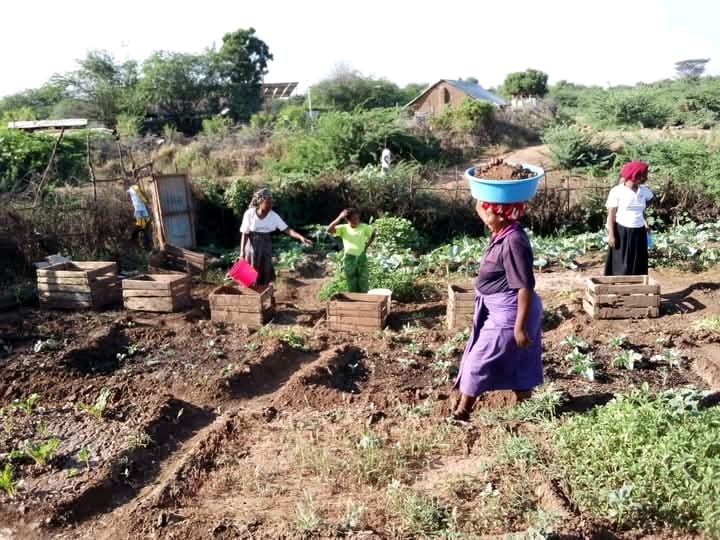
Land ownership in the camp is communal, where we farm on community gardens or kitchen gardens.
How do you manage these small scale farms?
We make use of waste materials like plastics bottles, Jericans to make the kitchen gardens. We also do waste management by composting waste to produce organic manure for the farming.
We have been farming on these pieces of land and we employ the use of solar irrigation, with the support of community based organisations (CBOs) like Hope for Refugee Life, which trains women on farming skills, syntrophic agroforestry…
Which crops do you plant?
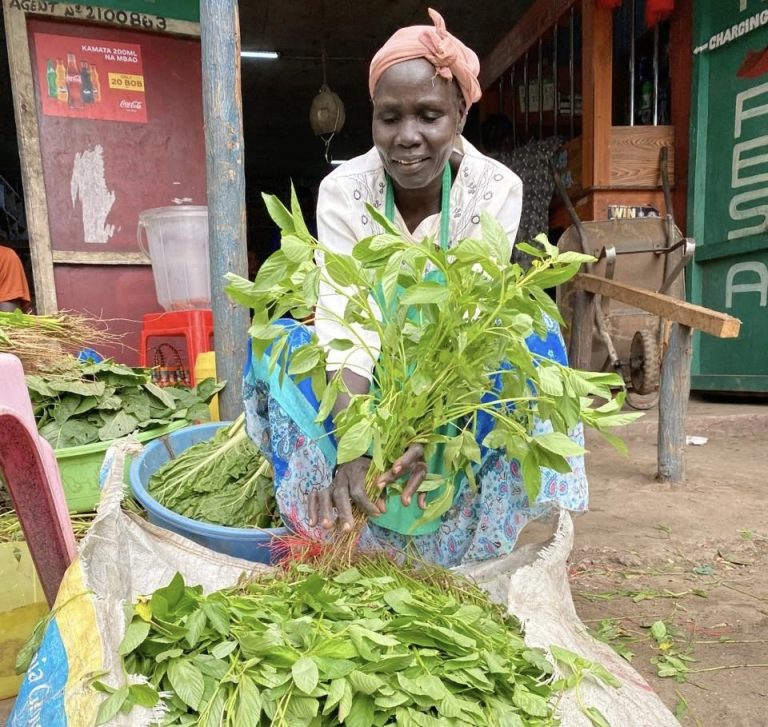
Most of the crops planted in these farms are drought resistant, including water melons, pumpkins, spinach, Sukuma/kales, jute mallows (murenda).
The women who receive the training and engage in permaculture sell these farm produce, some opens kiosks (kibanda) selling the vegetables in the camp.
Tell us more about the farm produce, market and value
A single garden produces about 15 pumpkins and one pumpkin goes for about Sh600. For jute mallows, a small scale farm (about one and half metre land) gives about Sh200 times 20 pieces of land.
Spinach and Sukuma earns about Sh20,000 to Sh25,000 depending on the farm capacity.
The minimum price per produce is Sh10 per bunch of vegetables.
Now, apart from these vegetable farms, how do Kakuma food traders source food in the market?
Food traders in Kakuma and the entire Turkana region source food from the nearest towns of Lodwar, Kitale and Eldoret. More specifically, they source from Kitale, which is ruch in agricultural produce.
However, they face challenges with security and poor road network, sometimes the food may take longer hours to arrive due to scheduled security details on the road.
Perishable food like tomatoes get damaged along the way and the increased fuel prices makes suppliers increase food prices in the camp.
Vendors from Kitale collaborate with traders in Kakuma for the supply of this food.
Your parting shot
I want to tell the government of Kenya and other stakeholders that we have skills, and we train women who have been able to earn a leaving from syntrophic farming and they use the money to start small businesses, and source food from other nearest towns like Kitale.
All these efforts need to be recognised because we are changing the livelihoods of, not just the refugees, but the residents of Turkana and surrounding areas and building the country’s economy. The kind of farming we engage in is also reshaping the climatic condition of the area.
Get your farming news by email.
Free. Market prices, crop news and farmer opportunities, straight to your inbox.