
Kenyan weevils undermine Middle East mango market access

By Peter Changtoek
Kenya’s phytosanitary regulator has postponed moves to address the country’s persistent problems with mango weevils following the loss of sales to a further market, Oman, which has seen unexported Kenyan mangoes being left to rot.
New pest control requirements by Oman, which Kenya cannot yet meet, have disrupted a further major mango market and follow a self-imposed ban by Kenya of Europe of seven years due to the pests, which saw Europeans move to buying larger mangoes from West Africa instead.
In July, the Agriculture Ministry convened a stakeholder meeting to address Oman’s new requirements that the pests be eradicated from exporting countries, or exports be hot water or heat/vapour treated to remove them. However, the initiative was shelved on poor attendance.
Exporter Paul Rangenga Gaute said KePHIs now planned to reconvene a new meeting once all stakeholders had been contacted, and then form a committee to deliberate on the matter and propose a way forward.
Meanwhile, the impact of the loss of the Oman market is proving heavy. “Some of our farmers were forced to leave their mangoes to rot, while others resorted to cutting down their mango trees,” said Paul.
Exporters are also concerned that the problem could now remove their remaining Middle East markets too.
“Oman is a gateway to the wider Gulf market. The concern is that when Oman tightens or rejects consignments, the UAE and Saudi Arabia can also increase their inspection levels, because GCC countries work with common phytosanitary and pest-risk frameworks. This is why KEPHIS called a meeting specifically around the Oman issue, to prevent a potential domino effect that could affect major markets such as Dubai and Jeddah,” said Paul.
“So, in practical terms, Kenyan mango farmers have already experienced the consequences of losing a major export market. Oman has introduced a stricter requirement than the UAE. Oman updated its phytosanitary import requirements in 2025, requiring exporters to demonstrate either a Pest Free Area (PFA) or compliance through a systems approach. Kenya effectively lost access to the EU mango market in 2014. Now, we risk losing Gulf markets one by one if we do not address the underlying fruit-fly and mango seed weevil problem,” he said.
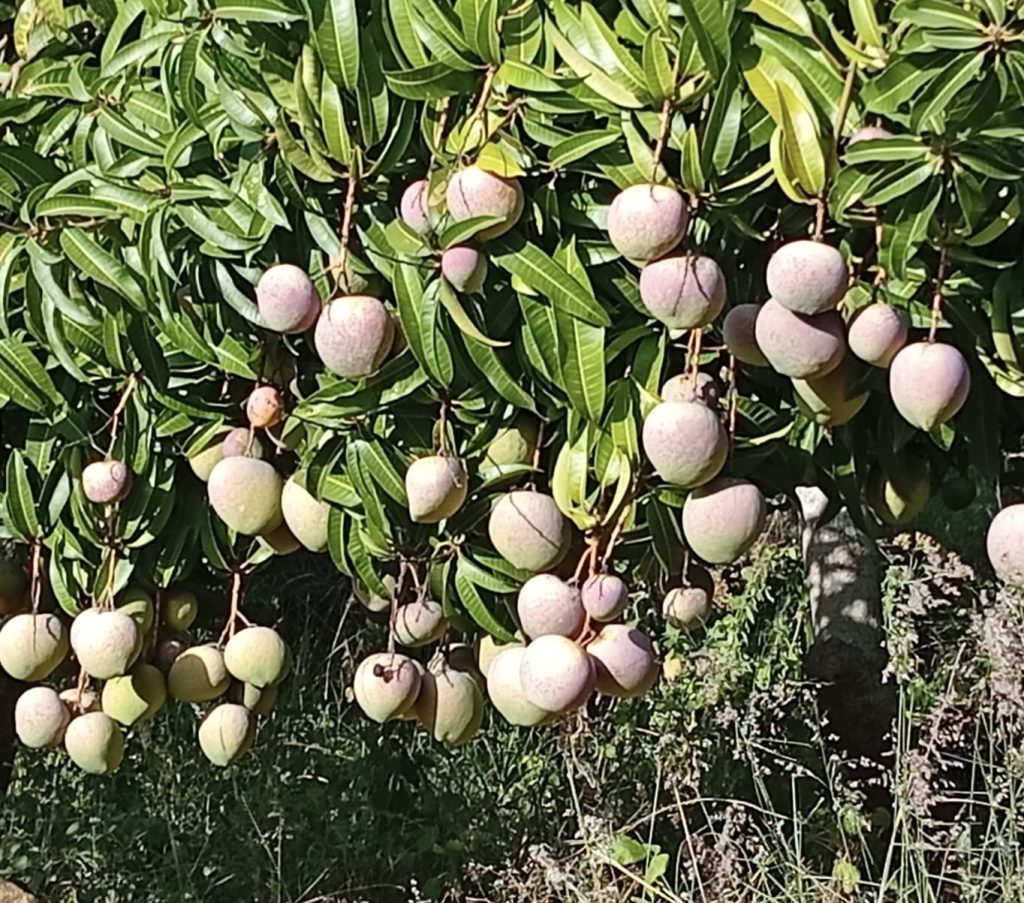
Over 150,000 Kenyan farmers have been growing mangoes for export, principally to the Middle East, of which over 27,000 farmers are in Makueni County, alone. The new pest problem is also affecting at least 11 exporters in the country.
“If Kenya can meet the required standards through measures such as orchard registration, increased trapping and monitoring, and hot-water treatment, we can strengthen our position not only in Oman, but also in other Gulf markets such as the UAE and Saudi Arabia, while potentially creating a pathway to re-engage with the EU market. The bigger issue is, therefore, not Oman alone. The real issue is whether Kenya can put in place a credible, internationally accepted system for controlling fruit flies and mango seed weevil before more markets close their doors,” he said.
This was going to require coordinated and collaborative action, he said, across small-scale farmers, technical personnel, exporters, the Kenya Plant Health Inspectorate Service (KEPHIS), the Horticultural Crops Directorate (HCD), and the Kenya Agricultural and Livestock Research Organization (KALRO).
“Collective organisation will facilitate coordinated pest-management activities, improve access to technical support and training, promote information sharing, and enhance compliance with domestic and international export-market requirements. Farmer groups can also provide an effective platform for coordinating orchard inspections, monitoring activities, and the implementation of recommended pest-management measures across production areas,” he said.
Get your farming news by email.
Free. Market prices, crop news and farmer opportunities, straight to your inbox.