
Kwale farmer builds cattle finishing empire by using his own feed
By Jael Maunda
Matt Muthama is expanding his 78 hectares farm into 120 hectares this year thanks to guaranteed profits in the feedlot business he calls ‘cattle finishing’, piling weight onto animals in just 12 weeks by using fodder he grows in his former pastures and then ferments into protein-rich silage.
It is a move that has liberated him from the squeeze of commercial feed costs on his 78-hectare fare in Wamase and turned him into an expert in weight-gaining diets, more than doubling his money every year.
“My decision to move into feedlot farming was driven by unreliable rainfall, which shrank grazing land. With climate change and erratic rains there was no grazing on land, so feedlot was a better option,” he said.
“We grow our own fodder and convert it into silage, and we are good to go. I started mixed farming before developing fully into this structured cattle finishing business.”
“When I started feedlot beef farming, I was buying silage from suppliers at a cost of Sh15 to Sh19 per kg with a compromised quality, but now I am planting my own fodder and producing my own silage at a cost of between Sh6 to Sh7 per kg and it is a good quality silage.”
“So, before I start my fattening journey, my margin is already there, because of fodder production.”
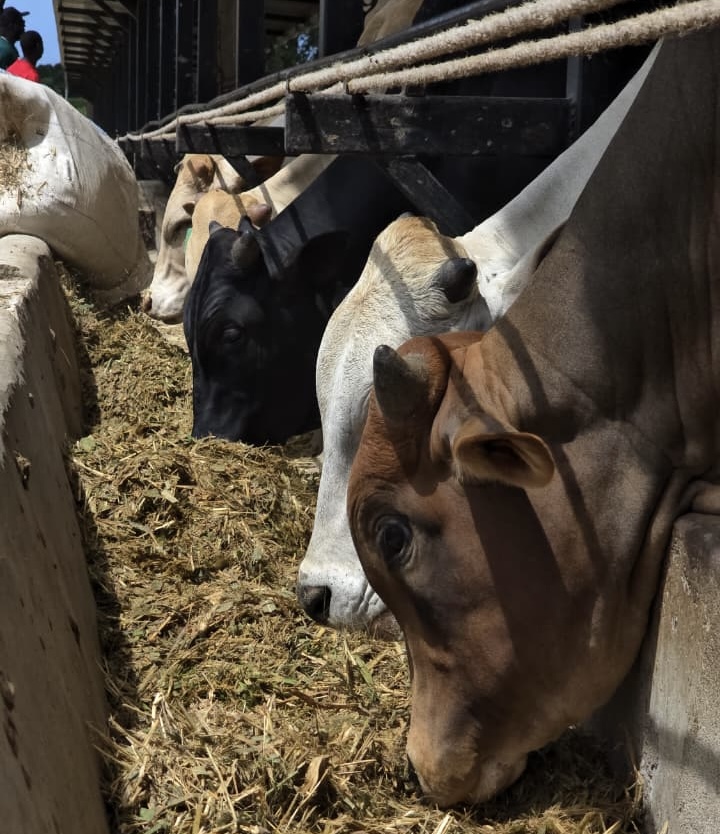
Silage and dry matter, this is for a ruminant, when you give it fresh, you make it more vulnerable to disease, and you will feed it more,” he said.
“Fresh fodder contains a high proportion of water, meaning animals would need to consume larger quantities to obtain sufficient dry matter. Napier is 80 per cent water, so it is like feeding sugarcane to the animals. And so, nutritionists advise feeds must be dry.”.
He has diversified his fodder production across maize, napier, and legumes including cowpeas, from, initially maize silage alone, which yielded an average 12 tonnes per acre, compared with 110 tonnes of napier per acre per yesr.
“We feed them a meal called TMR (total mixed ration) that comprises carbohydrates, proteins, vitamins, minerals, salt and water. It takes 3 per cent of the body weight. This 3 per cent is calculated using dry matter rather than the total weight of fresh feed.”
“Even when I am doing silage, I must make sure that for the bulls, they take 3 per cent dry matter of their body weight. The quantity varies according to the size of the animals; large cattle require more feed than smaller ones. A cow with 300kg will not eat like those of 400kg,” he said.
He has also invested in a silage bunker of 200 tonnes and a hay storage space for about 20,000 bales of 15kg each.
It’s a feed production pipeline that has moved him from trial-and-error cattle rearing to organized finishing cycles of 99-120 days, with his animals gaining 0.8kg to 2.2 kg a day.
At the start, “there was nothing. It was only negatives. By then it was not a cycle, by then it was a trial and error,” he said. “But now we have cycles. We currently handle between 250 -450 animals in each 90-120 day cycle.”
“Feedlot performance is not simply the number of animals it holds, but how many animals it successfully finishes and moves out within a production cycle. We started with approximately 250 cattle with individual feedlots handling at least 150 animals per cycle.”
“Last batch I purchased animals at Sh60,000 each and spent Sh25,000 on fattening and medication. They gained 420kg at the end and we sold them at Sh300 per kg live weight, which is Sh126,000 per animal,” he said.
But his success has meant constant expansion to solve problems.
“Animals are becoming harder to source, particularly those with the right body frame, age and size to respond well to fattening. It is next to impossible.”
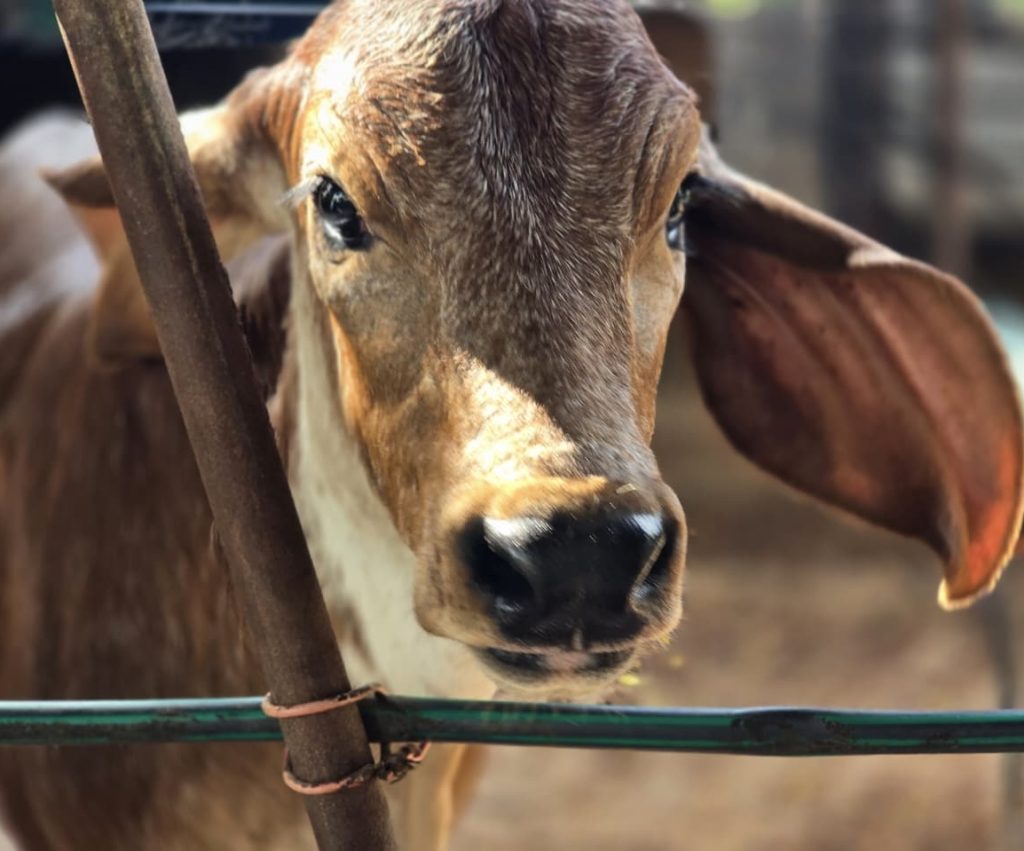
“I assess animals by looking at their physical frame, the size, age and body scope, the frame of the animal will always guide you,” he said.
“But everyone is now going into feedlot farming. The number is increasing, the demand is already there and the prices have increased. A cow can cost as little as Sh20,000 during dry season since farmers are under pressure, while during wet seasons it can rise to Sh90,000.”
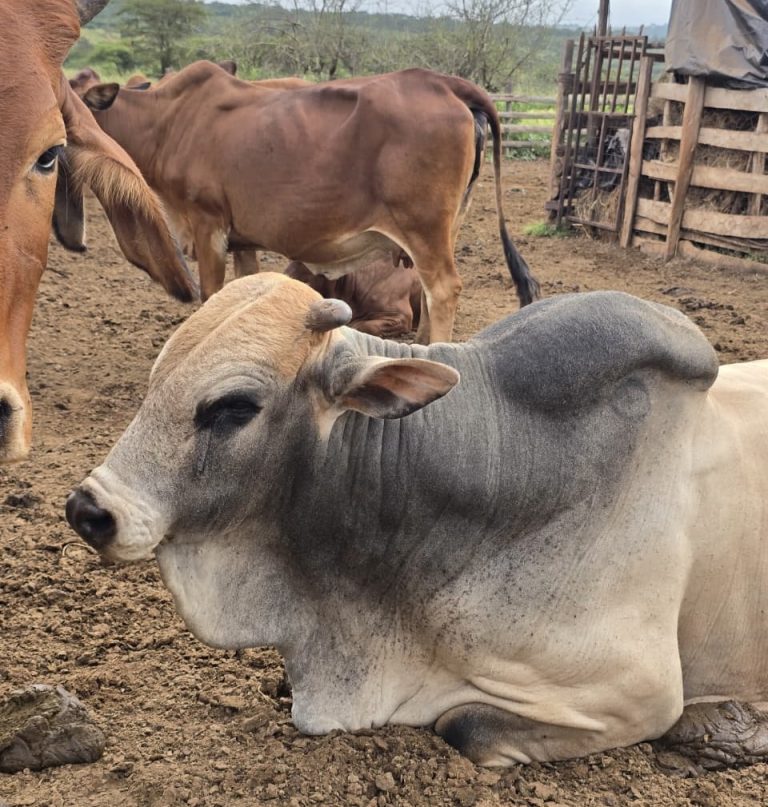
This has seen him introduce his own breeding programme over the past three years, additionally improving cattle genetics.
“It is something continuous, even from the herd that I buy from the market, I come and give it good food and I improve the genetics. There is fodder on the farm, feeding suckling cattle, that goes for about 9 months, then small bitings at around 4-months with supplementary feeding introduced as they grow.”
As he now adds a further 42 hectares to his operation, Matt has one farm holding around 2,000 animals, another 600 and a third 180, with his long-term ambition to finish 10,000 animals a year.
Read next

Get your farming news by email.
Free. Market prices, crop news and farmer opportunities, straight to your inbox.
Set county, crops and alerts
Become a free member so weather and saved tools follow your farm profile