
Mwea wages war on apple snails with rice production down 50%
By Nadzua Mwadzaya
Rice yields have almost halved since Kenya’s apple snail invasion began five years ago, but with farmers now deploying the biggest mix of control methods yet, many are waiting anxiously for harvesting to see how much of their crop has survived this time.
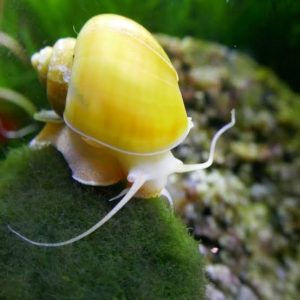
The Golden Apple Snail has been classed as one of the world’s most destructive pests, spreading rapidly, and with a huge appetite, A single female can lay hundreds of eggs at once in bright pink clusters on the water’s surface that hatch within weeks.
The result in Mwea, which accounts for over 80 per cent of Kenya’s rice production, has been the infestation of over 90 per of the rice fields, making for colossal losses, with farmers reporting crop falls of up to 60 per cent.
For the authorities and Kenya Plant Health Inspectorate Service (KEPHIS), the first base has been training farmers to collect the snails, put up nets, and adjust the flooding of rice fields, but none of these methods has yet stopped the destruction, which is now pushing many farmers into using expensive pesticides as well.
Rachel Wanjiru, a rice farmer and trader in Mwea, Kirinyaga county, said the snail had become her biggest headache. She tried physically removing the pests, but with little success. “We did not know what to do, so we tried to reduce the water levels, but they still hid. We also tried installing nets on the canals to trap them but it is not easy to get a grip.”
Many of the farmers have also now adopted a new irrigation system of alternate wetting and drying (AWD), sometimes flooding and sometimes allowing their fields to dry, which cuts water irrigation costs by 15% to 30%, according to the Food and Agriculture Organisation (FAO),
The previously fully flooded paddies encouraged the breeding of the golden apple snails, as well as other pests like malaria-causing mosquitoes, but the dry periods have only slowed the growth in snails, not stopped it.
Pesticides are now available in local agrovet shops, said Rachel, but add extra costs and also only reduce rather than eradicate the apple snails, albeit at a cost of Sh2,000 per litre plus the spraying labour.
This will eventually increase the price of rice for consumers, she said, and has also raised concerns about residues on the crops and health threats to the farmers.
“It is important to remember that pesticides are poisonous and can harm the user and consumer of the produce,” said Dr Andrew Edewa, the Director of Standards and SPS Measures at TradeMark Africa and a leading food systems expert, in an interview with FarmBizAfrica.
”Use of pesticides is not prohibited to combat the apple snails if they are ravaging the crop,” he said, but ‘to the rice farmers in Mwea, use of protectice clothing is non negotiable. Rice paddies are muddy and it is challenging to navigate with gumboots, but there is no other way to protect the farmer. It is also advisable to stay away from the fields after spraying.”
For the farmers, the apple snail losses are also being compounded by periodic scarcities of irrigation water, and further losses to birds. It’s a sum that has wholly set back Kenya’s hopes of reducing its rice imports, and has also dashed, at least for now, previous forecasts of sharp growth in the crop to offset the decline in the country’s other staple foods.
Get your farming news by email.
Free. Market prices, crop news and farmer opportunities, straight to your inbox.