
Western Kenyan farmers abandon OND planting on too many losses last season
By Antynet Ford
Farmers fresh from severe losses on the erratic weather last season in Western Kenya and the North Rift are now holding back from planting in the new season, despite a very different weather forecast.
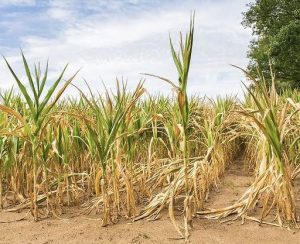
Farmers in the region lost an estimated 60 per cent of their crops due to the extreme dryness from April to July, with only those who planted earlier than normal, in January or February, achieving close-to-normal harvests.
Yet instead of the setbacks sensitising farmers to the need to follow weather forecasts more closely, many have decided, instead, not to plant at all, and are proving sceptical of the Kenya Meteorological Services Authority (KMSA) forecasts of ample rains for the OND short season.
Farmers in Mautuma, Lugari Sub-County, Kakamega, told FarmBizAfrica risks were just too great to invest in planting new food crops again.
“In the long rains season, I incurred a lot of loss. In my one acre of land where I harvest twenty bags of maize, I only harvested three and half bags of the 90 kg sack. The rains disappeared when the crops were just about to start producing and needed a lot of water,” said farmer Roselyn Asiko.
“When it started raining again around the end of July, I again planted beans and to my shock it became dry again and all the beans dried up. I really got disappointed because while, in the first season, I had already not harvested any beans, again this one dried up. This OND, I am not planting anything. I am just leaving the land like that as I plan on how I should stop depending on rain to farm,” she said.
Other farmers are backing up with animal fodder, but, equally, not risking investing in any more food crops.
“I am not planting this season, even as agronomists have been telling us that KMSA has said there is rain. I cannot risk twice in the same year. The first loss is already enough. Maybe if the rains continue, I may consider planting sunflowers for my chicken feed because, at least, even when it stops later on, Sunflowers can sustain the dry weather for a few weeks, unlike beans,” said Beatrice Wangila.
Another farmer Fred Muwanga said he was increasing his Juanco napier, to sell it during the dry season in January and February when folder supplies are short, but the risks were too great to plant any more food crops this season.
Farmer trust in the weather forecasts from the Kenya Met also seems badly dented, with many claiming they have followed the weather advice and still lost out. Others say they have yet to see the promised rains.
“It is like there is no rain this season, Mr Weatherman, stop the many stories,” said social media user Qtqty Ja Qty on Facebook.
“Tell us when we should expect rain in South Coast,” asked Queresh Misango, still dry at the coast, which is now being classified as semi-arid after so many years of reduced rainfall.
But the biggest fear is that the rains will simply stop when crops need them water.
“We are tired with this forecasts, it is noise as we even do not know what to plant because the rains will still disappear on us,” said Amos Sayianka.
Yet experts say the real and best answer is for farmers to adapt to the more erratic weather by following forecasts more closely, not by dismissing them, and by changing what they plant.
Kenya Meteorological Department Assistant Director Hannah Kimani told FarmBizAfrica in an interview after the MAM season that the last season had really shown the difference between farmers who followed the forecast advice, and those who ignored it.
“In February this year, we said that the onset was going to be realised earlier than we had anticipated,” said Hannah.
“We told them to plant early, but most of them said they do not plant in February, because they do not plant then, while we had already said that the rainfall distribution would be poor in April and May.”
“It would have been prudent for them to have planted as early as February when the rains started, to avoid losses. Those who planted in February have actually harvested well. If they had heeded to the information, maybe there would not have been the losses we have seen,” she said.
Farmers in the North Rift and Western need to diversify what they plant, and stop depending on maize and beans that are most vulnerable to weather changes, said agronomist Mordechai Nyongesa.
There are more versatile crops, he said, and crops that perform better even with limited rainfall, meaning the answer was to follow the KMSA forecasts keenly to get the crops and timing right for success.
FarmBizAfrica has also developed HarvestMAX for its members, which shows them which crops will do best in their location and soil type – such as red clay or black cotton – for the weather forecast ahead.
The tool also offers, for Sh100, a week-by-week extension plan covering preparing for the weather, planting, tending, countering pests and harvesting, and showing the costs and likely profits from each crop that will work well.
Read next


Get your farming news by email.
Free. Market prices, crop news and farmer opportunities, straight to your inbox.
Set county, crops and alerts
Become a free member so weather and saved tools follow your farm profile