Traditional herbs give farmers market among the health conscious

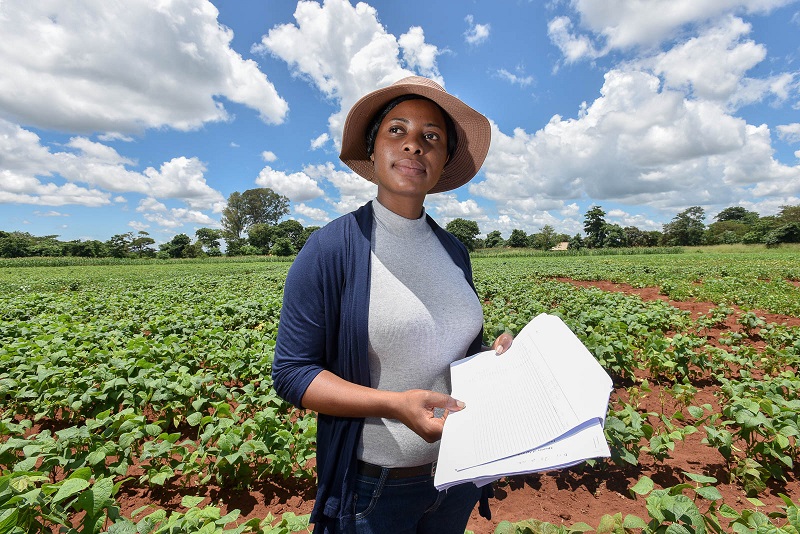
Vegetables and herbs that were traditionally farmed by native communities around the Mau forest as an important ingredient in Kenyan cooking are making a comeback in local markets, thanks in part to a group of women now supplying nettles to hotels in Rift Valley that specialises in indigenous cuisine like Mukimo, a Kikuyu favourite.

The women have been transplanting wild nettle seedlings into seedbeds on land where they once grazed livestock. The plant does well in highlands at altitudes of 2000 to 3000 meters, taking around two months to produce leaves that are harvested manually from March to June and during September and October.  The nettle plant can be harvested whole if young. But when plants are older, only tender leaves are picked.

The farmers then immerse the nettles in water after harvesting to soften the sting and sell them fresh in the market, or they dry the leaves on sisal sacks in the shade for 8 to 12 hours and then grind them. The shade matters, as drying the leaves in direct sun interferes with the attractive bright green colour where the nutrients are. But it is the dried nettle leaves that are delivering the best returns.

While a bundle of 10 fresh nettle leaves sells for Sh10 to Sh20 in the local market, where it competes with other vegetables that customers are used to, the ground powder of 10 nettle leaves goes for triple that, at Sh50, “due to the many uses for the powder, which include being added to tea, almost any food including ugali and chapatti, and for children who shy away from the leaves themselves,” explained Ruth Githae, one of the nettle farmers.

With seed capital of just Sh10,000 and an investment of less than Sh5,000 in manure and water for the time it takes for the nettle to blossom, the Molo women are recording returns of up to Sh30,000 per harvest on each quarter acre, with their markets spanning hospitals, hotels, schools, local supermarkets and homes for the elderly.

Ladislas Owino a nurse at St Mathius Mulumba home for the elderly, which cares for over 100 elderly people, is a regular buyer of the powdered nettle, which she says is a feasible alternative to expensive supplements.

“The nettle powder is so nutritious and cost effective at the same time, especially because we add it in porridge and other foods that are a must for the aged and you only need a small portion to meet the nutritional requirement that is required for the patient,” she said. Sh1,000 of nettle powder is enough to cater for four patients for a week, adding the powder to three meals a day, and is far cheaper than the supplements and greens for the aged that the home used to buy.

However, as the demand for the nettle has risen, with word spreading on its health benefits, the women have found it difficult to keep increasing production capacity and to raise the quality of packaging. Grinding a sack full of nettle leaves with rudimental grinding methods, such as a stone carved to grind, takes on average 8-10 hours and plenty of energy.

This challenge in upping output has seen the women move into partnership with a local cooperative that is in the process of securing a modern grinding machine, “which will not only increase the amount of leaves we grind because we have a lot to grind, but will also allow us to move into packaging the products in a wholesale format and spread our market wider,” said Ruth.

Nettles have long been known to possess medicinal value aiding the lungs, kidneys, skin, and blood. The herb has also been recognised for its ability to stop bleeding, relieve mucous congestion and water retention, and improve skin irritations, and is considered to be an excellent blood purifier.

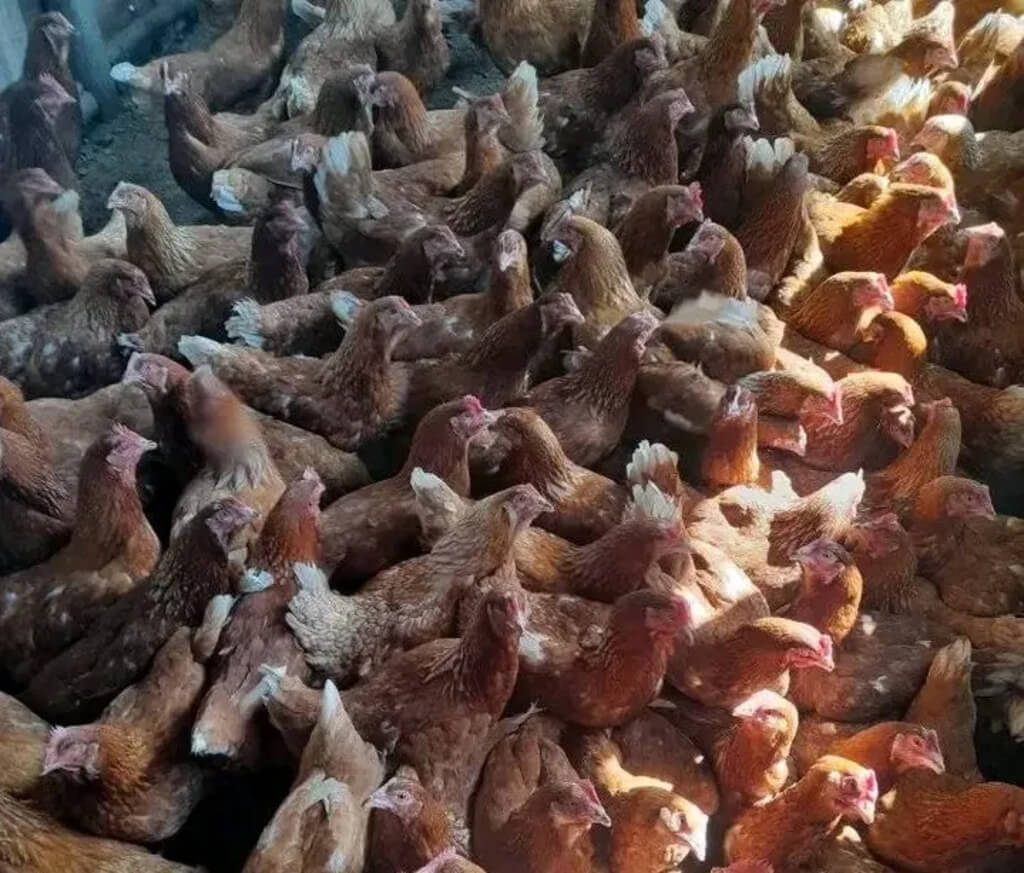
Tea mixed with nettle powder has also been known to increase the milk flow of nursing mothers as well as being an excellent gargle for mouth and throat infections. The dried leaves are also used to feed farm animals. Mixed with chicken feed, they increase egg production while increasing milk production in cows. They have also been known to produce a glossier coat for both feather and fur.


Written by Bob Koigi for African Laughter

Wed, 19th June 2013
Visitors Online 453