
Western farmer abandons maize production for more profitable French beans export market
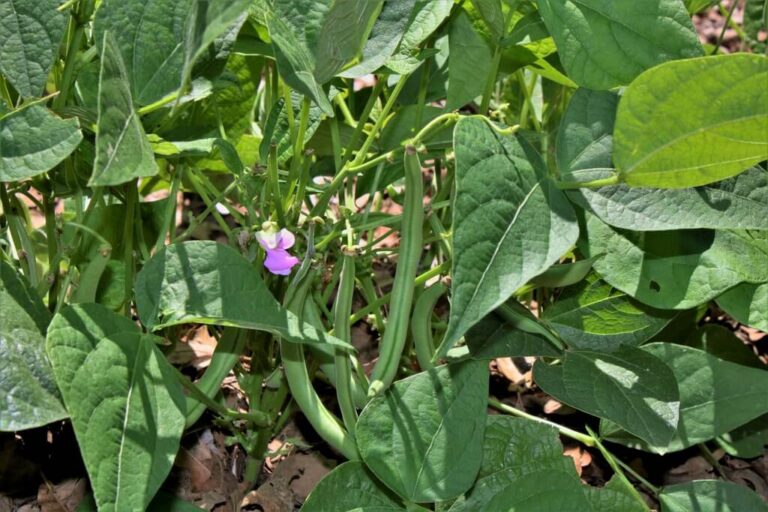

Rachel Njoroge, a farmer in Trans Nzoia, Western Kenya can now afford to access international market with her produce for more income after abandoning large-scale production of maize for French beans.
Before she learned about export farming about six years ago, Rachel used to grow maize, the traditional cash crop in the area. However, currently, only a small portion of her land is dedicated to maize after she realised that horticulture crops have a shorter production cycle and are more profitable.
Her first harvest on half an acre was 2,100 kilos of French beans after planting six kilos of certified seeds. She hired 24 people to plant, spray, weed, and harvest her beans.
“French beans take between 45-50 days to mature and once ready the crop can be harvested for three weeks of continuous inflow of cash,” said Rachel.
She sold the harvest at Sh150-200 a kilo in export market which saw her rake over Sh315,000 which was much more than what she used to earn while growing maize.
RELATED ARTICLE: 25 Muranga farmers earn Sh20m a year from French beans through group export contract
To supplement her income from French beans, she also plants tomatoes, black nightshade, cabbage, potatoes, and kale, which she sells locally.
Rachel says that the idea of growing adopting horticulture crops for income was sold to her by Farm Africa through market-led horticulture that the Growing Futures project promotes among farmers in Trans-Nzoia and Elgeyo Marakwet Counties.
In this, the farmer has been trained on how to grow export-quality crops, set up sustainable relationships with buyers and run a profitable farming business that has created jobs for many others in her community.
RELATED ARTICLE: Mango and French beans exporter buying the produce from out-growers

In November 2018, just when the short rainy season was subsiding, Rachel decided to plant tomatoes on two acres, portion of her land. Envisioning a looming water shortage, she hired labourers to dig a reservoir where she harvested rainwater for irrigation.
“After seedlings in the nursery bed had sprouted, I hired 15 people to transplant. Afterwards, I would get someone to spray the crop against pests and diseases occasionally. Diseases and pests are prevalent during the dry period. I invested in expensive chemicals to maintain a healthy crop. I also hired labour for irrigation once a week.”
In March 2019, harvesting commenced. Rachel observes that this was by far her best tomato yield yet. During the one and a half months of harvesting, she hired 100 casual labourers.
RELATED ARTICLE: University drop out makes over Sh0.5m net income a season from French beans farming
Rachel’s produce was ready for the market when the demand for tomatoes was high, thus fetching a good price. The demand was so high that buyers picked the produce at her farm, saving her the transport cost.
“From the profit, I have bought a farm vehicle to ease transportation of produce to the market. I also plowed back some of it to farming, paid school fees for my three children and saved another portion for future investment.”
Are you a farmer looking to grow the most profitable crop on your farm, with or without irrigation. Use FarmBizAfrica’s HarvestMAX on https://harvestmax.farmbizapps.com and it will tell you in less than a minute what the highest income-earning crops are for your weather, soil type and this season, based on your seasonal weather forecast. Don’t make weather losses ever again, and more than triple your income.
Get your farming news by email.
Free. Market prices, crop news and farmer opportunities, straight to your inbox.