Moyale farmers reap from low cost preservation of camel meat
A novel, low-cost way of preserving camel meat for up to six months, borrowed from the traditions of the pastoralists and now being commercially practiced in Moyale, has caught the eyes of camel meat traders in neighbouring countries, creating a new training exchange and opening doors to potential low cost preservation of other perishables in the country.
The scorching heat in the area is instrumental in the preservation process as drying the meat in the sun forms part of the process.
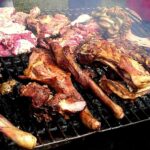
The meat from the camel, referred to as hilib gel, is cut into strips and left in the sun to dry and later cut into small pieces that are fried in oil with garlic and iliki, a local herb known to keep the meat spiced for long, until it is dry.
The dry-fried meat is then immersed in camel ghee, where the fatty mixture condenses and can be stored in bags made out of camel skin and hoofs for at least 4 to 6 months without getting spoilt. The large intestines are also cleaned and stuffed with fat and hung to dry as a type of sausage.
The dried meat, called nyirnyir by locals, fetches high prices in markets and supermarkets and has gained ground as an export in neighouring Sudan and Ethiopia.
It is also quickly picking up in Nairobi’s Eastleigh area, creating a new window of opportunity for the camel farmers in Moyale. “The Nairobi hotels prefer our treated dried meat rather than fresh meat, because transporting it by road will mean taking some 4 days before it can reach the destination meaning it can’t be used.
Dried meat, on the other hand, will last for even six months and it will still be fresh,” said Douglas Ommani, a trader in the dried camel meat. On a good day, he sells two camels-worth of dried meat, mostly to traders in Ethiopia, and now in the upcoming Nairobi market.
However, a new idea to offer training in the technique has seen traders from Southern Sudan, Ethiopia and even Egypt, where the trade in camels and camel products is substantial, flock to Moyale to learn about the preservation.
The pact they enter with the local traders is to get training in exchange for buying at least half of a camel’s dried meat. “We felt this was our tried and tested preservation technique, and we cannot let out that knowledge free of charge, because we know how much they will profit from this. So they pay for training and have to buy the meat. That way, we also ensure we lift the fortunes of our fellow camel farmers,” said Douglas.
Since the training agreement started with the foreign traders early last year the Moyale traders have managed to sell on average of 15 camels-worth of dried meat a month.
Preservation techniques of this nature, which health officials in the area have approved, may also offer a new way forward for hundreds of meat traders in the country caught between poor or no preservation techniques - due to space and the high costs of normal preservation methods - and longer selling times.
Butchers in the country recently decried the lack of market for their slaughtered meat. They have maintained the supply of meat in butcheries, for beef, goat meat, pork and chicken, which are among the most demanded by consumers, but the demand had dropped sharply as consumers have scaled down on spending during the tough economic times.
Hazati, one of the leading chain of butcheries in Thika town, has cancelled half of the meat supplies it gets from farmers owing to what it says is ‘meat going bad’ due to staying long in the butchery. “Before we would take around 400kgs of beef in a day and by the time we were closing it would all be sold out.
Since mid last year, we are only managing to sell half of that. Everyone has greatly cut down on meat consumption here. Those who used to take daily now only do so once or twice a week, and those who took in large quantities, like schools and hospitals, have now cut that into half,” said Casper Mithiora, a proprietor at the butchery.
Without having invested in cold chain facilities, due to the previously quick movement of the meat from the butchery and the high cost of large refrigeration facilities, the butchery has made huge losses in stale meat. This vicious cycle now has butchers counting losses in reduced demand for meat, and farmers locked out of supplying them. But preservation could now open new hopes for better sales.
Written by Bob Koigi for African Laughter
Newer news items:
- Rift valley farmers bet on milk chilling plant, shrubs to grow income - 01/03/2012 13:55
- Farmers make table salt from aquatic plant - 01/03/2012 13:46
- Banana farmers turn fruit to wine, as Hero’s Power - 01/03/2012 12:57
- Artisan dreams a living out of old banana stalks - 01/03/2012 12:38
- Safflower takes as route to food oil market - 01/03/2012 12:37
Older news items:
- Sweet potato glut inspires portagurt production - 01/03/2012 12:15
- Women turn water cleansing method into money machine - 01/03/2012 11:42
- Popping more than just corn - 01/03/2012 11:17
- Rapeseed plant turns maize farmer into vegetable oil producer - 01/03/2012 11:11
- kari trials super potato - 01/03/2012 10:30
|
|
|