Farmer field schools gaining ground in Kenya

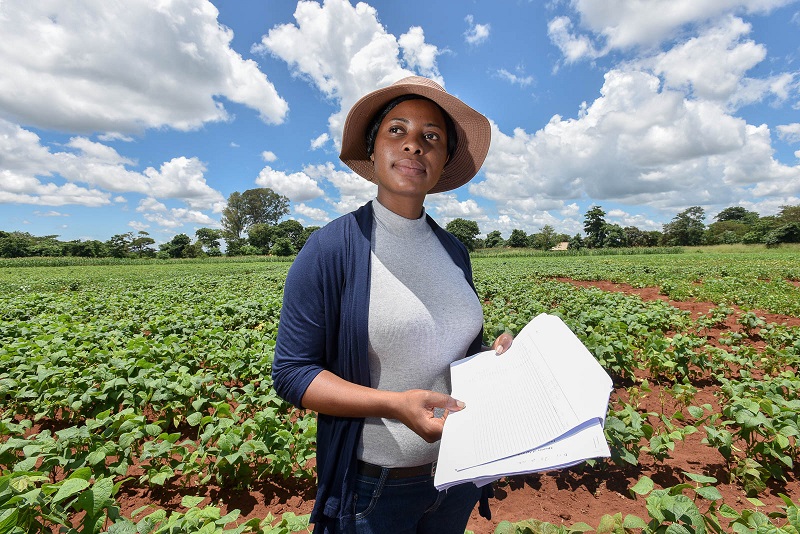
A new model where individual farmers are trained so that they can themselves train fellow farmers is gaining ground in Kenya, known as farmer to farmer extension (FFE) and being driven by the government’s shortage of extension workers to meet the rising interest by farmers in modern farming.

NGO’s and research institution specializing in agriculture are embracing the model as a way of helping them reach more farmers in less time and with limited resources, with some of the NGOs recording huge number of farmers taking up the model. Bridge net an NGO that teaches farmers about tissue culture banana and horticultural farming declares it has now trained over 8,000 farmers in Central Kenya under the FFE model.

Bridge net which traditionally invested in ferrying its own trainers to all the areas where they work with farmers now says it has reduced its budget for these field officers by 60 per cent, which they can now use for printing materials and brochures to send to more farmers. 

“It hasn’t been received well by some of the field officers, but others are now starting to realize how important it is to devise new and more farmer friendly models and we are glad it is working,” said Tony Mwaka an Officer with the organization.

The institutions train a few farmers who then organize farmer field schools, where farmers organize themselves into groups, either in markets or in a school, and the trained farmers disseminate the information to their fellow farmers. Other farmers volunteer their land for practical lessons with other farmers.

Said Dr. Timothy Musyoka: “This has been a huge achievement forward in a country that is now very much dependant in agriculture with over 75 per cent of the population directly or indirectly earning from agriculture and where most of the small-holder farmers are not agronomists and not even literate.”

An important aspect in the farmer to farmer model is the sustainability of the model without outside funding.  It is a participatory approach, which facilitates farmers’ demand for knowledge, and offers opportunity for the end users to choose, test and adapt knowledge according to their needs. Through participation in FFE, farmers develop skills that allow them to continually analyze their own situation and adapt to changing circumstances.

The most prevalent farmer to farmer approaches include the village approach where farmers in a village are asked to select a representative farmer to be trained by the project organisers. The remaining village members are expected to learn from the farmer they select.

Under the group approach, the project identifies an existing group with an interest in farming to select a farmer to be trained to act as their extension agent.

The third, individual farmer approach gives a chance to a farmer who does not fit into either the village or the group category, but who has shown an interest and potential to act as an extension agent.

The model has been hailed by both farmers and agricultural institutions as a breakthrough in passing conventional knowledge and building confidence among farmers.  Farmers traditionally would feel intimidated by urban, smartly dressed trainers who would park expensive cars near the farms, preventing farmers from fully opening up and therefore often defeating the core objective of the training exercise.

“We had cases where farmers would rant about not feeling at ease with the trainers, there was that disconnect. Farmers didn’t quite identify with the trainers who came from Nairobi and even some confessed that they would at times not understand some of the aspects of the training, but they felt embarrassed to ask.

Farmer to farmer extension has changed all that,” said Joseph Wanyoike, farmer and chairman of the Sabasaba agribusiness cooperative society in Murang’a,who trains his fellow farmers.

The Farmer Field Schools are a core aspect of the FFE model, determining how fast information is communicated to farmers. While traditionally farmers would listen to their fellow farmer, take notes and ask questions, a desire to give farmers an exercise that would be memorable to them is now seeing trainers to come up with new and interesting training ideas.

Role play and drama is gaining ground, where farmers agree to have a short drama inspired by the theme of the training and then other farmers recollect the major lessons of the drama. “It has really worked. It is easier for me to remember a scene I saw in the drama than what a trainer was telling me because some of the trainers can talk hours on end. I also participate in some of the dramas and they have really helped me.

My most memorable is when I acted as the agent of soil erosion and I was giving a farmer a hard time in controlling soil erosion,” said Micah Rono, a horticultural farmer in Eldoret who has benefited from the FFE model.

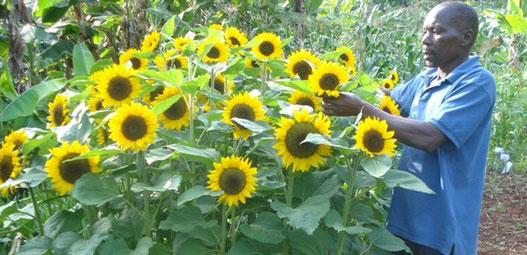
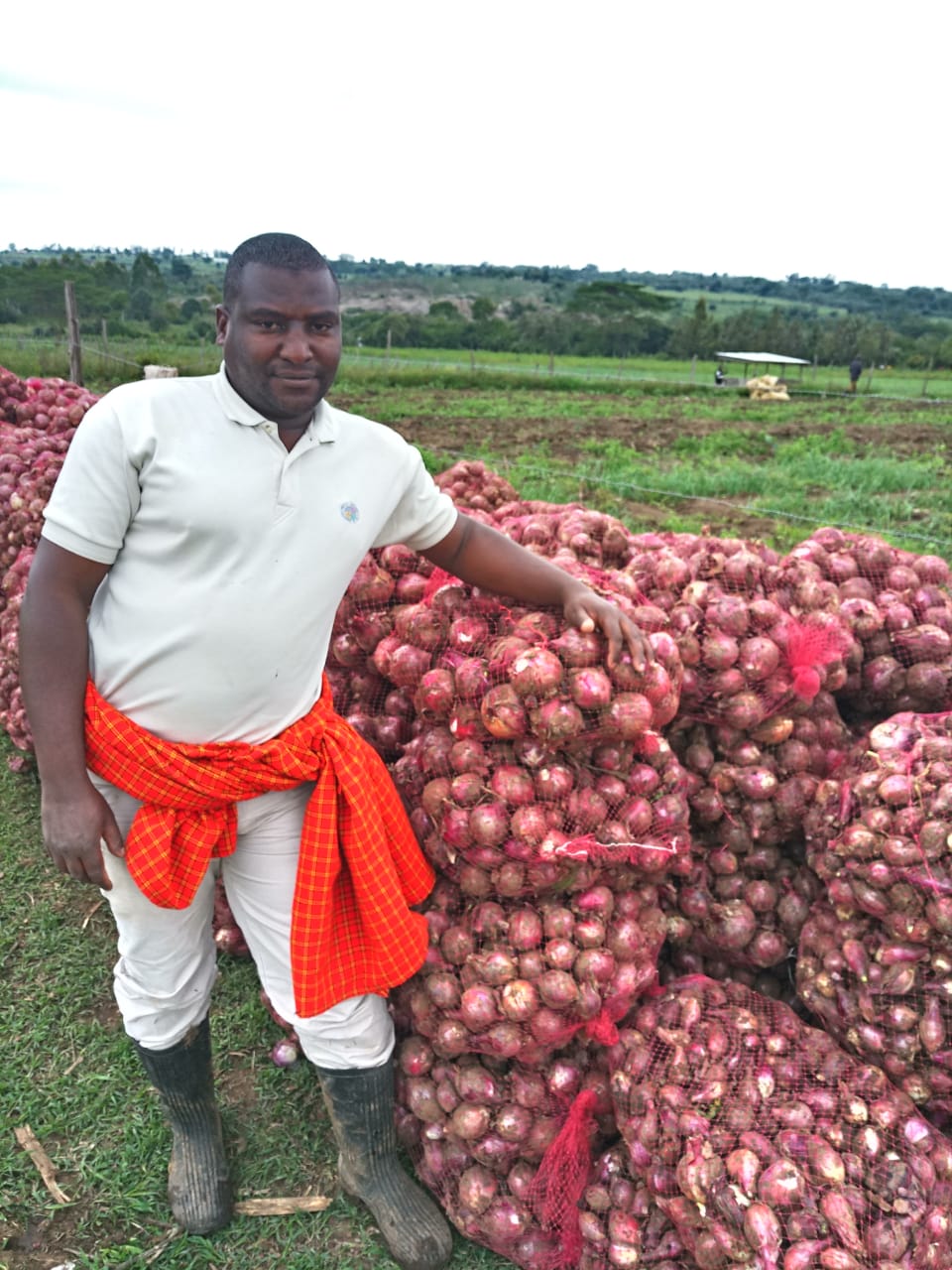
Rono also hosts fellow farmers on his one acre piece of land which he has given out to be used for demonstrations to other farmers who are trained in horticultural management.

Another farmer field School called Mavindini in Makueni County, organized by the Centre for Agriculture and Biosciences International (CABI), trains farmers on good agricultural practices for cotton farming. Farmers have created a farmers’ anthem on an Integrated Pest Management system for cotton which they repeat at the beginning and end of the training.

Other areas now thriving on the back of FFE training include fruit orchard establishment, wood lots boundary planting, planting and tending, soil and water conservation, bee keeping, basket composting, grafting and budding, charcoal filters and tree nursery techniques.

Written by Bob Koigi for African Laughter

Mon, 20th May 2013
Visitors Online 171