Naivas calls for western Kenya vegetable farmers as suppliers
5 min read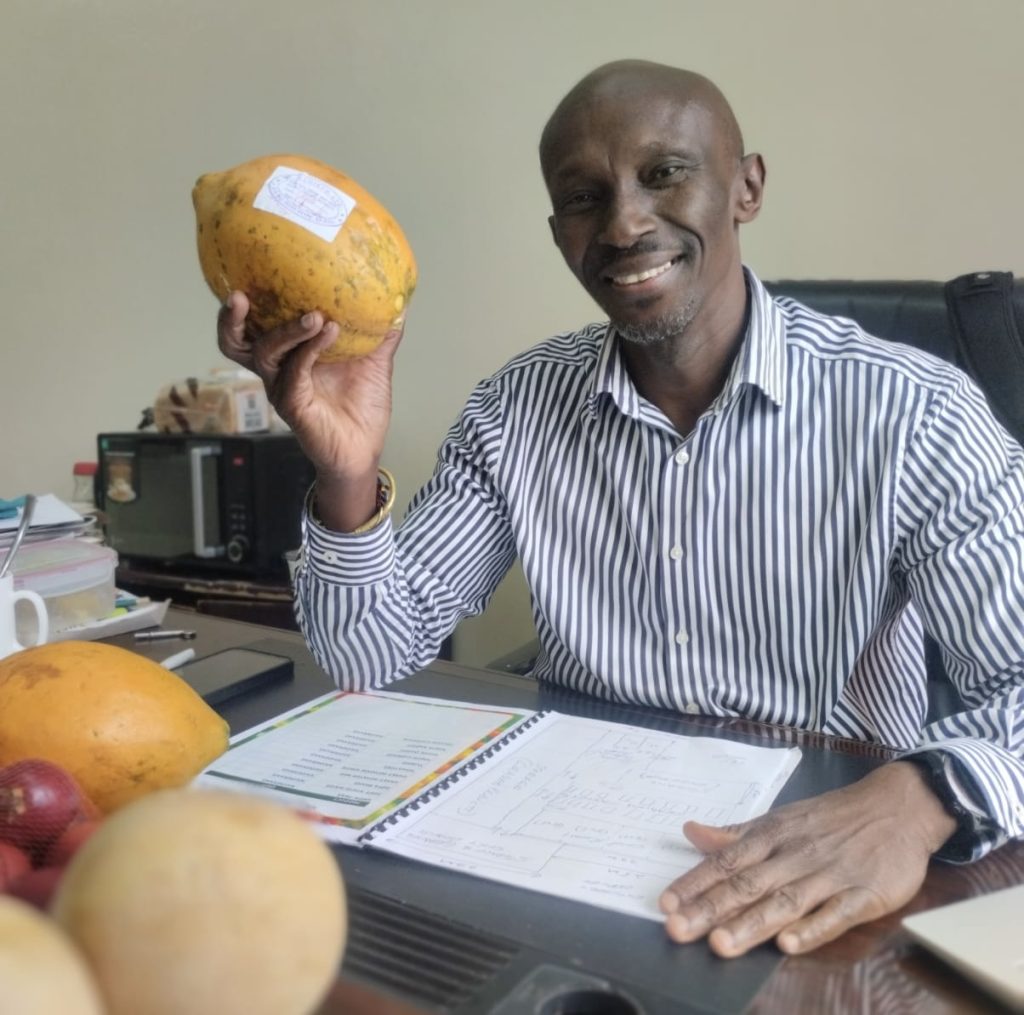
By Antynet Ford
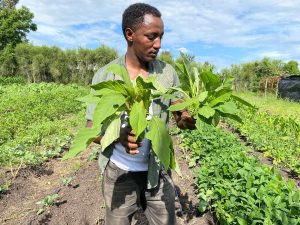
Kenya’s leading retail chain, Naivas Supermarkets, is short of smallholder farmers to supply vegetables in the Western region and is keen to sign up more, to save transporting greens and other vegetables long-distance from Nakuru to their stores in the region.
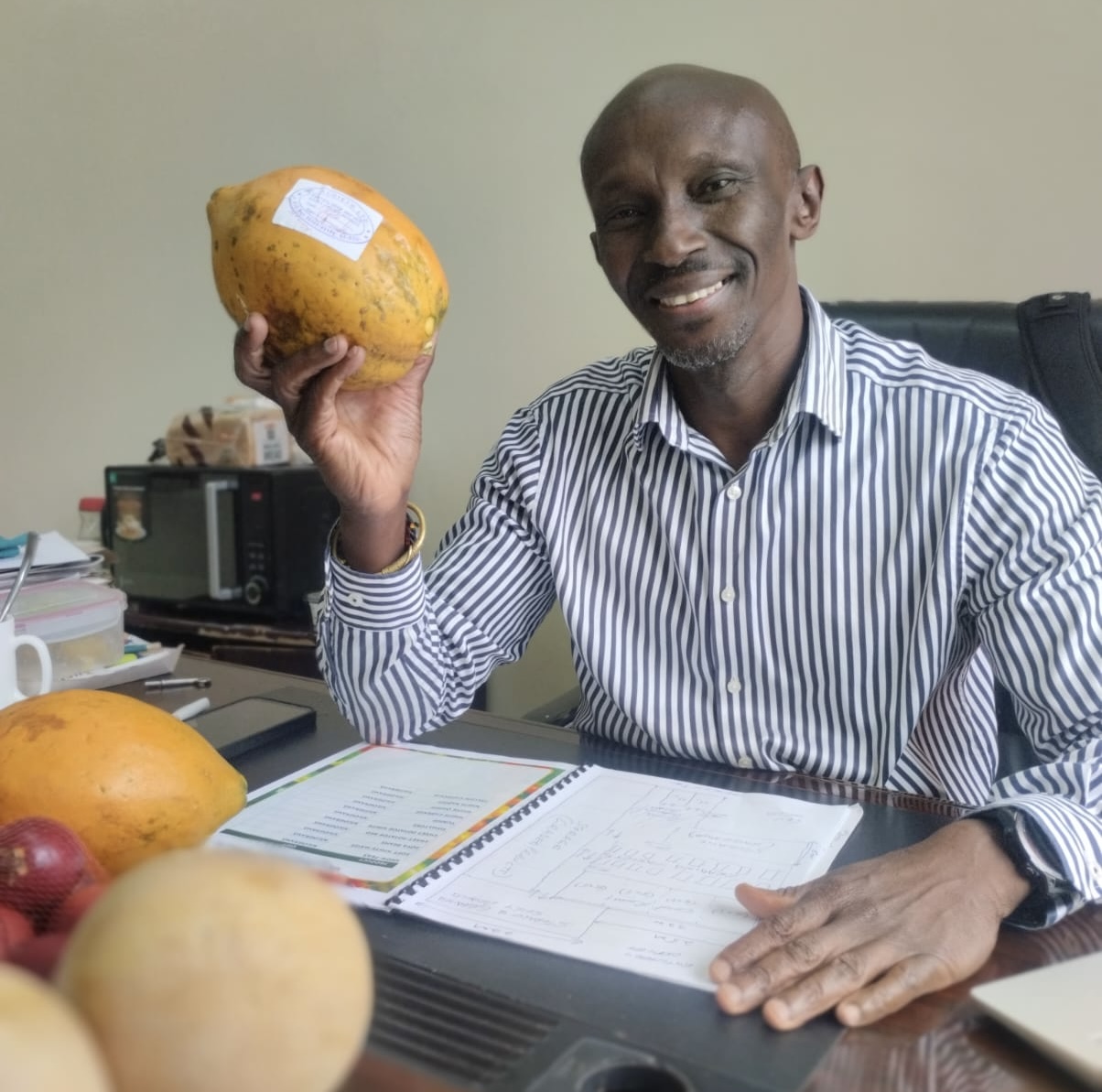
“No matter the location where you are, if you tell Naivas that you have the produce, we shall always see how we can get it to the nearest store if not them coming to the warehouse here in Nairobi because we do not have enough farmers in areas like say Kisumu, Kisii or Kakamega,” said Bernard Kibaru, Naivas Senior Commercial Manager – Fresh, in an exclusive interview with FarmBizAfrica.
“Even greens, I do not have enough greens for Kakamega, Kisumu. Sometimes people come all the way from Nakuru to take greens and cabbage to Kisumu. As long as it is in bulk, we shall always tell you to bring it because even as we aggregate, the only thing we do not aggregate is vegetables because it is only easier when supplied directly. Greens are always fresh. The greens you find at the store in the morning, they were harvested yesterday evening and not this morning,” he said.
The demand for fresh vegetables from supermarkets has been growing, he said, due to quality, availability of all farm produce at a single place and traceability.
Farmers with the right certifications, like from KEPHIS and GAP, are the most likely to be enlisted as they are able to keep records and show what they used in their farms. When spraying, for example, they have to show the records to Naivas to show the vegetables are safe for consumption, he said. Likewise, those who claim to grow organically have to prove it before being enlisted.
However, for the right suppliers, Naivas will mobilise at speed, they do not aggregate the kienyeji vegetables and salads as most of the farmers contracted in most areas supply to the stores directly, but sometimes they will even roll out aggregation, for example, they started the aggregation of cabbages last month to improve prices and avoid post-harvest losses for farmers.
“Last year, someone came and told us that there were farmers who were selling cabbages at Sh4 and the same people selling at the market at Sh80. They said they could hire a truck to transport the cabbages to the market for sale, but needed someone that could offer a better price. We asked them how much the transport is, and we calculated and saw that one lorry could carry 3,500 cabbages, and the fare is charged at Sh10 per cabbage, that is, fairly, Sh35,000 for transport. It meant we could buy at Sh40. If you remove the Sh10, they have a profit even when you remove the shrinking here and there, instead of the Sh4 they were selling to brokers,” said Bernard.
“We called them and told them to reorganise themselves and be supplying us when we started aggregating cabbages last month. I know in the next one year; their story will be beautiful,” he said.
They also have aggregators for other vegetables, especially where farmers prefer to receive cash immediately, which they do on aggregation, versus the payment after 14 days for direct suppliers.
“Farmers have become tough and are asking the aggregators to pay before going. There was a time I called the aggregator who was to supply onions and they said they could not the transfer the onions to the warehouse, because they had not paid. While there are others who want to be paid at least 75 per cent before the truck leaves the farm, they are very few, though it also depends with the product. For a product like onion, they will not allow,” said Bernard.
But aggregation is not always the best solution, he said.
“The biggest opportunity is coming together, because when they come together, say, for example, like onion farmers, and say they are able to give 100 tonnes a week, and can grade and have a pack house; no one will buy their onion at say Sh20 per kilo and they accept. Sometimes they are at the mercy of an aggregator because they are all diversified. If they come together, they will get the best value out of it,” he said.
For the market, today, he said Kiambu was currently the largest county supplying Naivas with fresh produce, mainly because of its proximity to the central warehouse, with most of the supermarket’s greens supplied from there.
“Number two would be Kajiado, because of tomatoes and most of the onions come from there.”
“There is Makueni, where we get the oranges and pixies.”
“We have Kirinyaga, with a bit of tomatoes even from Embu.”
“We have sweet potatoes and bananas from Meru.”
“Then, we have watermelons in Kibwezi in Kitui County, Machakos, but also Oloitoktok in Kajiado. Sweet melons are from Machakos and Kitui, too.”
“Then we have Murang’a with avocados.
“Potatoes, without a doubt they are from Mau-Narok area, Nyahururu and Nakuru,” he said.
“We are very good with tomatoes, sukuma wiki, kienyeji vegetables and spinach. These are products customers come to the stores to get on a daily basis and you will see, every morning, the stores have fresh vegetables supplied every evening, because the sale is high and we cannot miss on that,” he said.
Among the fresh category at Naivas which include fruits, vegetables, salads, and horticulture, vegetables come in at number two in terms of demand, he said, with size, colour, and the state of ripeness at the core of grading and acceptance for tomatoes, watermelon, onions, and other produce.
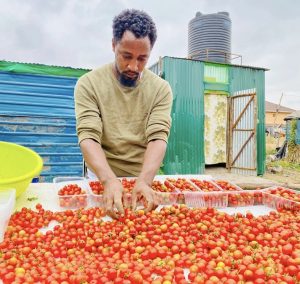
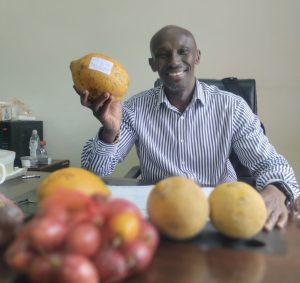
“Tomatoes delivered today will be at the stores tomorrow, so I do not need it too ripe or red because it will go bad quickly. Taste is also a big thing for fruits like watermelon, pixie, mangoes etc. We literally do the tasting, and also continue doing it as it stays at the store as we also check the sweetness. For avocado, we look at the dry matter, where we take 24 as minimum for it to be good,” he said.