Indian Ocean could shield Kenya from worst El Niño ever, says Met
3 min read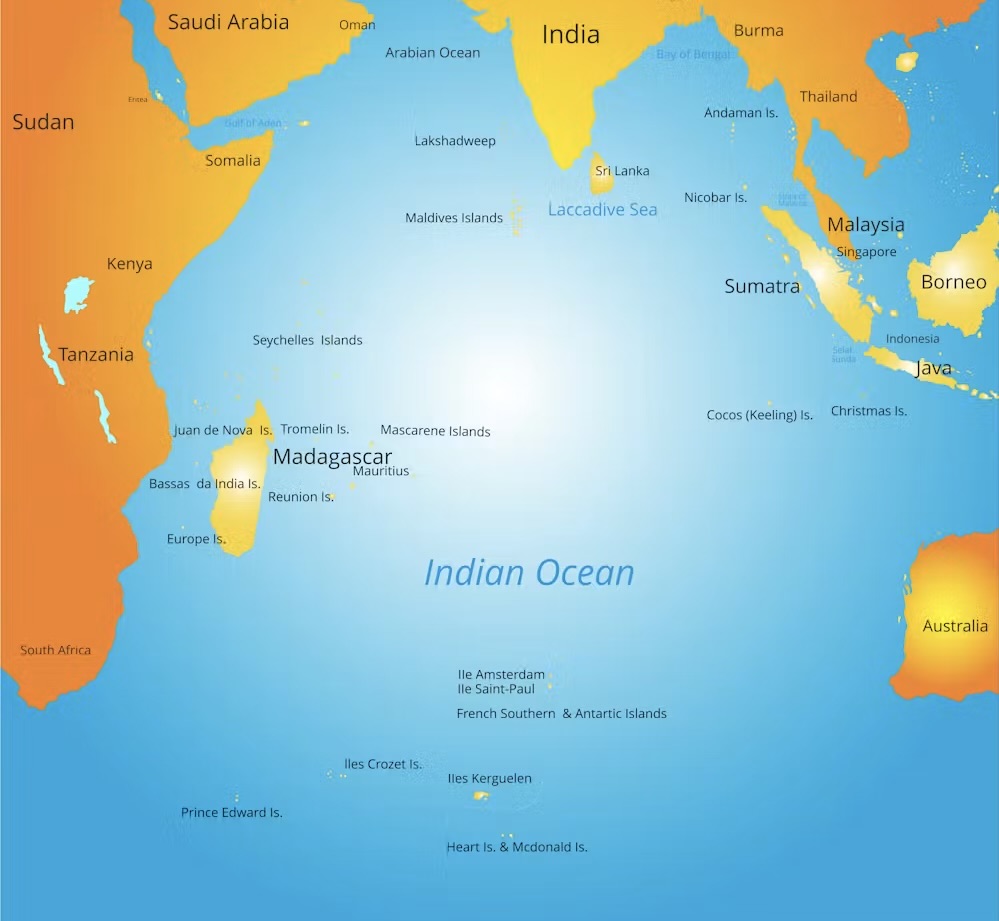
By Antynet Ford
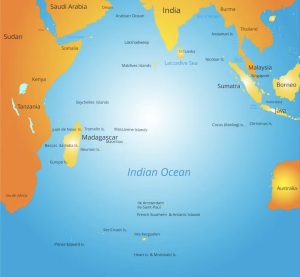
Warnings to farmers to prepare for heavy rains on an El Niño that is shaping up as the world’s worst ever could yet be offset by cooler temperatures in the Indian Ocean, said Kenya Meteorological Services Authority in an interview with FarmBizAfrica.
The 2026 El Niño has already brought weather changes to Kenya, said Kenya Meteorological Department (KMD) Assistant Director Hannah Kimani, with higher temperatures than normal during the traditionally cold period of June to August. But the severe flooding that has previously come with an El Niño has depended on temperature rises in the Indian Ocean too, which has not yet happened.
“Coming to OND 2026 we are expecting El Nino conditions which are already present and we are expect that the Indian Ocean dipole may become positive, but for now it is still neutral,” said Hannah.
When temperatures in the eastern and western Indian Ocean are similar, it is called a neutral dipole, but when they become higher in the western area than the eastern, it is a positive dipole and pushes additional rain onto East Africa.”
“We are expecting that it will become positive as we move closer to the season,” said Hannah, but with it currently neutral, the Met is estimating the chances of extreme flooding at about 50 per cent.
Meanwhile, El Niño has already been felt in the country, she said.
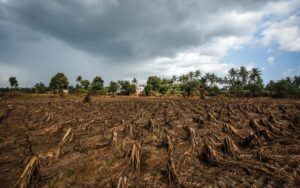
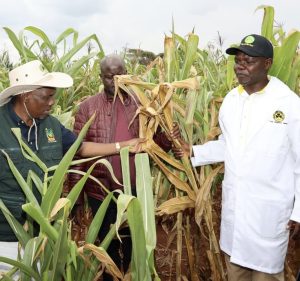
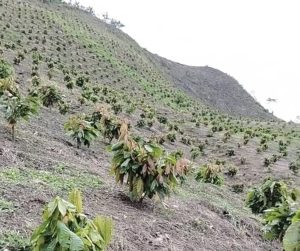
“El Nino is not just rainfall…in North Rift and Western Kenya it is associated with depressed rainfall between June to September and this is why we have crop failure, because the rainfall was much depressed from June to August and even as we continue to September,” she said.
“(In) 2023, we had a strong El Nino and positive Indian ocean dipole, which meant that there were cases where crops were destroyed by the extreme rainfall,” she said. But there was also intense rain in 2024 and 2025.
“The thing is we are getting more intense rainfall events, which are shorter, and very prolonged dry spells. In the last couple of years, that is 2024, 2025, we had extreme events, but had short extreme ones.”
This has limited the effect of the extreme weather on crop production, she said, with some otger factors at play in the very significant falls in agricultural outputs in Kenya in recent years. But it has depressed production somewhat, for example, “this year, where we have warmer temperatures, which are denying crops moisture which is necessary for crop growth,” said Hannah.
“What happens is that when you have intense rains in a few days followed by prolonged dry spells it means that even though the rain might be above average, it is not sufficient for the crops to grow. Sometimes … some areas receive rainfall while in the nearby areas, it is not raining,” she said.
Similarly, sometimes, “one month has heavy rainfall and the next one completely has no rainfall and that is when the crops are supposed to be getting into a critical stage,” she said.
This means the distribution of rain by location and over time can affect crops, as well as the volume, making it even more critical for farmers to follow the weather forecasts closely.