
Farmers harvesting and processing prickly pears for earnings
By Antynet Ford
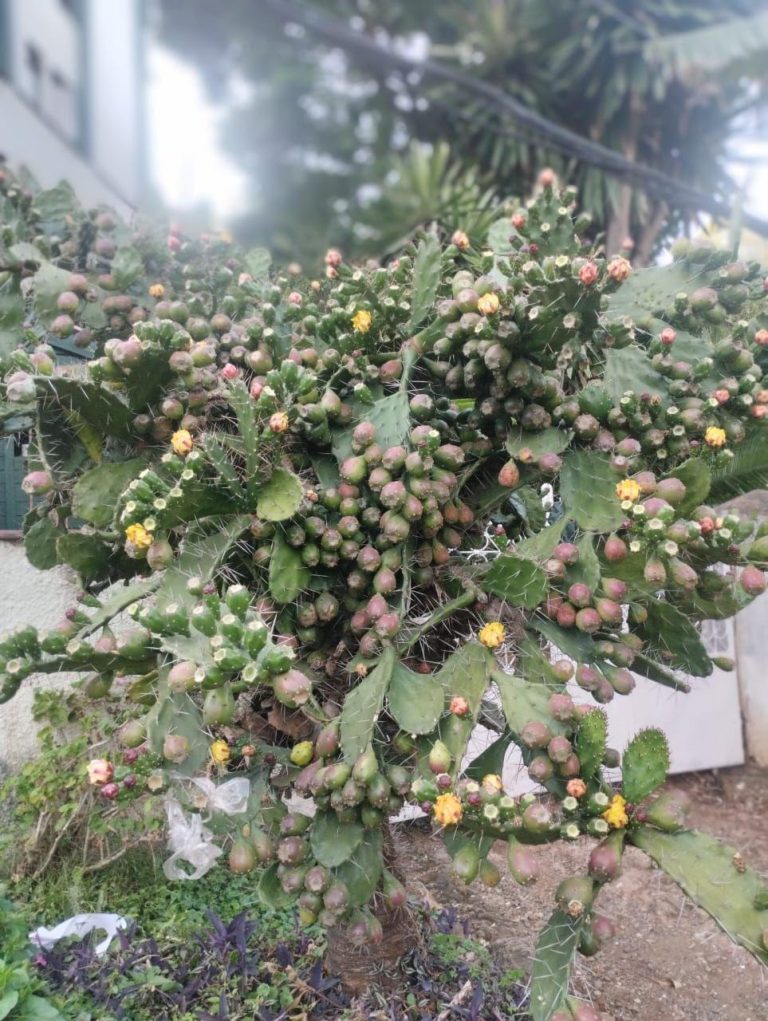
More than 60 farmers dived into a Facebook post from FarmBizAfrica, this week, reporting from Narok, Makueni and Laikipia on their harvesting of fruit from the prickly pear, and how they are making wine, juice and even jam from the cactus.
In a social media post by FarmbizAfrica asking farmers across the region if they get value from the aggressive, drought-resistant thorny cactus, most of the respondents said they were eating the pears, while some are even selling them.
“That is money,” said Juliana Mutua. “Very nice fruit, “said Josephine Mokaya. “Very tasty,” said Lucy Wambui. “Delicious. We even make wine from it,” said Shadrack Muloni.
“University of Nairobi make nice wine from it,” too, said Kiplagat Chemwetich.
But some reported difficulty harvesting it due to the needles on the cactus, which sting.
Anwar Riday guided all to hit the fruit with a stick to unpluck it. After it falls down, he said, roll it on grass a few times and that gets rid of the needles.
Some were shocked to know it was even edible, saying they had thought the fruit was poisonous, while others reported on where it yields the most. In Makueni, several readers reported, the fruit is much bigger than those growing in Nairobi, with the fruit in dry areas fleshier and more juicy.
Many reported value addition, too. In Laikipia, some farmers were using it to make juice, jam, wine, and for oil for beauty products and cosmetics, including for creams and soaps, while others are using it to make biogas.
Scientific research shows the prickly pear has nutritional and health benefits such as antioxidant benefits and it is also used to make pharmaceutical products that treat Diabetes Type 2, reduce cholesterol levels, obesity and various body disorders.
To make extra products, the fruit is blended to get the pulp, The residue from the already blended fruit is then dried and later pressed to make oil, which skin experts say helps wipe out pimples, black spots, stretch marks, sunburns, acne, razor burn, dark circles, cracked feet and retains skin moisture.
For making juice or wine the pulp is usually boiled to 70 degrees to purify it and then sieved before being mixed with water and sugar to sweeten it.
One litre of the pulp can be added with three litres of water to make juice. For wine, a litre of the pulp is diluted with three litres of water then cooled to lower the temperature to 40 degrees.
For wine, yeast and sugar are added to the already processed pulp to activate fermentation, a process that takes a fortnight before it is ready for packaging. The wine contains around 12 per cent alcoholic content.
For jam, one litre of pulp can be heated and used directly.
To make biogas as explained previously to FarmBizAfrica by University of Nairobi Environmental Science graduate, Francis Merinyi, the cactus is chopped up into small pieces before crushing it to produce a porridge-like substance.
“Bacteria works on the green substance and the end product is let out while the gas is collected through a pipe connected to a storage tube,” Francis said.
The thick liquid is diluted with water, transferred into a bio-digester tank and left to ferment for three weeks.
However, farmers in Laikipia complain the cactus hurts livestock if they try to feed them with it, saying they prick their tongues or mouth and that it can end up killing them due to infections and poor feeding.
Get your farming news by email.
Free. Market prices, crop news and farmer opportunities, straight to your inbox.