
Meru weavers burst onto TikTok after being stranded by NGO exit
By Jael Maunda
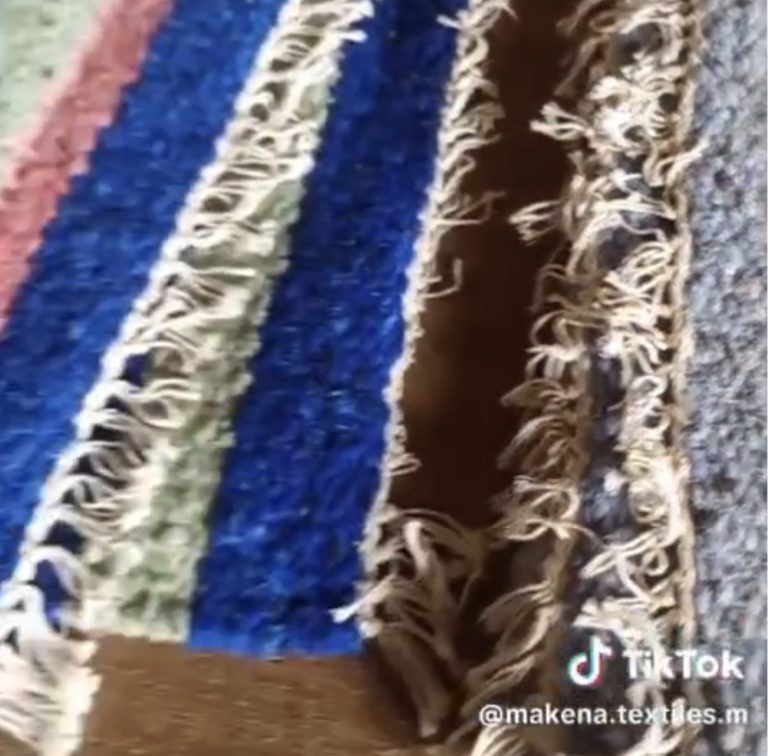
A women’s group in Meru that turns Sh3,000 of raw Kenyan wool into a Sh55,000 carpet has had no orders for a month, and no regular international buyer since the New Zealand volunteers who found its customers went home, forcing it into a new and vibrant TikTok marketing drive to rebuild its future.
It is a fight back that ever more farm and craft groups are being pushed into as foreign aid falls at the fastest rate on record. Donor governments cut their direct aid to sub-Saharan Africa by 26.3 per cent in 2025, according to the OECD, which projects a further 11.6 per cent fall this year.
For Makena Textiles, which works from the Kenya Industrial Estate in Meru, the biggest hit from the departure of its sponsor was in lost sales.
“This was not our idea. It was brought by people from New Zealand, but at that time we were not seeing many problems because they used to go and buy wool for us,” said Sara, the group’s representative. “They trained us and even helped us to look for customers, both local and international.”
“Ever since they left, we have not had specific international buyers,” she said.
“When they left, we started struggling to look for customers; we used to take our carpets to one textiles industry so that they could help us to sell, but they would double the price. If a carpet is going for Sh2000, they could sell it at Sh4000, and so this made sales slow even for a year.”
“As a group, we decided to start selling them on our own. We mostly depend on exhibitions, particularly horse shows that happen in Nanyuki and Christmas fairs.”
“Before the COVID-19 pandemic, the market was very stable; we used to have customers visiting the workshop and buying carpets. Sometimes we could sell them to Spinners Web, a shop in Nairobi, and to Nanyuki spinners and weavers, but ever since the pandemic the market has weakened,” said Sara.
Members’ pay fell with it.
“Before the pandemic, individual members could earn between Sh8,000 and Sh10,000, depending on the amount of work they had done. Today, payments vary according to the work available, with some members receiving as little as Sh3,000.”
The group has raised its prices as orders have thinned.
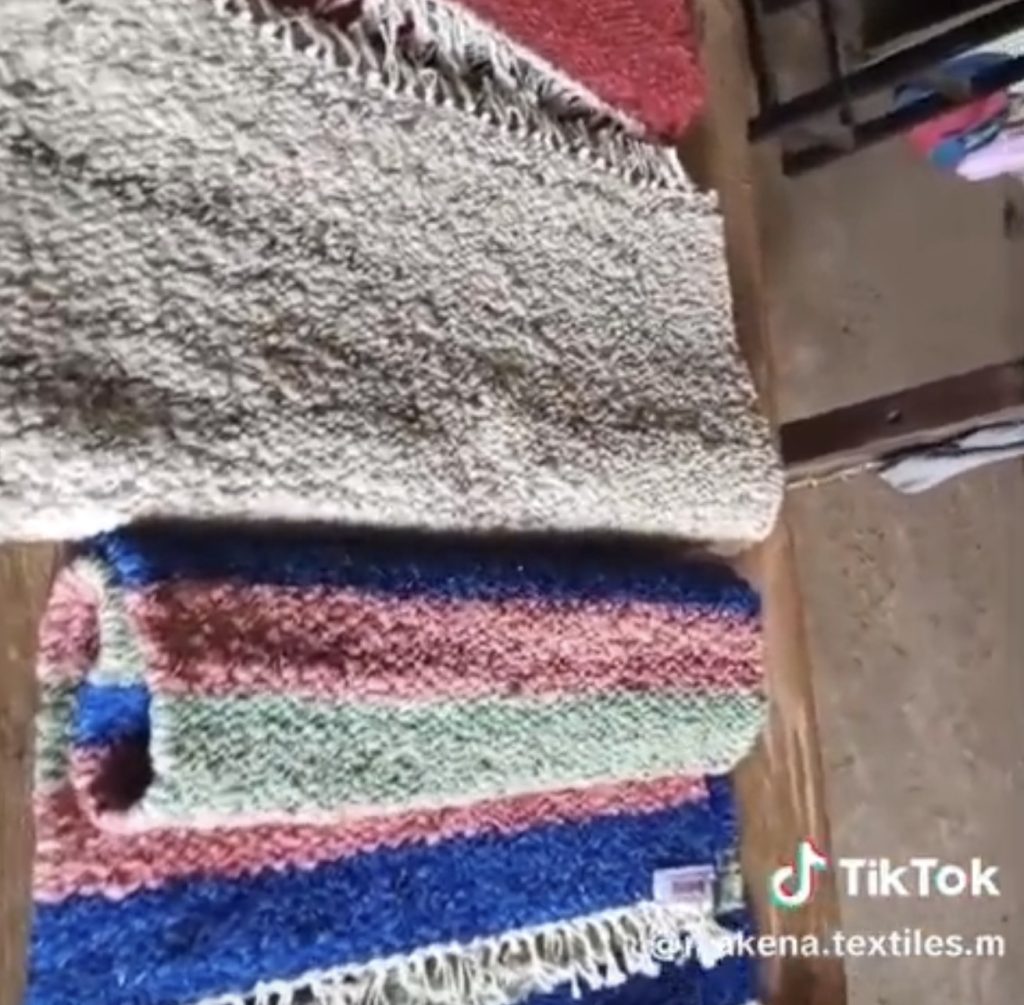
“Last year, we were selling larger carpets for Sh50,000, while smaller ones were going for Sh3,000; right now, the larger one is going for Sh55,000, while the smaller one is Sh4,000,” she said.
But this has only made sales fewer still.
“Despite having quality carpets, sometimes we can go for weeks without orders, so we close until we get orders. Last month, we made only four large carpets, but ever since we have not had any orders. The business has gone down.”
As a result, the group has cut its working membership from 15 to 10.
Yet its struggle is the norm for projects initiated with outside training and support. Most fail on their sponsors’ departure, with IFAD, the UN’s farm-finance agency, reporting that 41 per cent of projects completed between 2007 and 2017 were rated unsatisfactory for sustaining their benefits, with sustainability still among its lowest-performing areas by 2025.
In Kenya, researchers found sales down sharply just two to three years after USAID- funded projects ended. But while sales typically collapse, many projects have continued to use the practices they learned, as has Makena.
“Once the wool arrives at the workshop, we sort it according to colour, length, and quality. We remove dust, stones, and other unwanted materials,” said Sara. “We also check if it has mould, and then we cut it and it is spun using a spinning wheel.”
“We use traditional spinning wheels to convert cleaned wool into yarn, which is dyed using both natural and industrial colors. We dye it using plant dyes and sometimes we add chemical dyes. For the natural dye, we have specific plants such as blackjack and Majara, which we use to extract color since this specific one can easily pick colors.”
The women weave the dyed yarn on wooden frames strung with cotton twine.
“The warp is the cotton twine, and the weft is the thread,” she said.
“The amount of wool depends on the size of the carpet; a small carpet uses about 2.5kg of wool and takes 2-3 days, while the larger carpet takes 25kg of wool and takes 3-4 weeks.”
Keeping going with such skills has seen some of abandoned projects rebuild. A seed project in Uganda lost its contracted sellers after its NGO exited, but over six seasons managed to rebuild its own network.
Likewise, Makena is now working to rebuild its own supplies and sales.
“There was a period when farmers preferred to export wool rather than selling to us since we were not buying in bulk. We had to look for different suppliers; we went as far as Nakuru looking for wool,” said Sara.
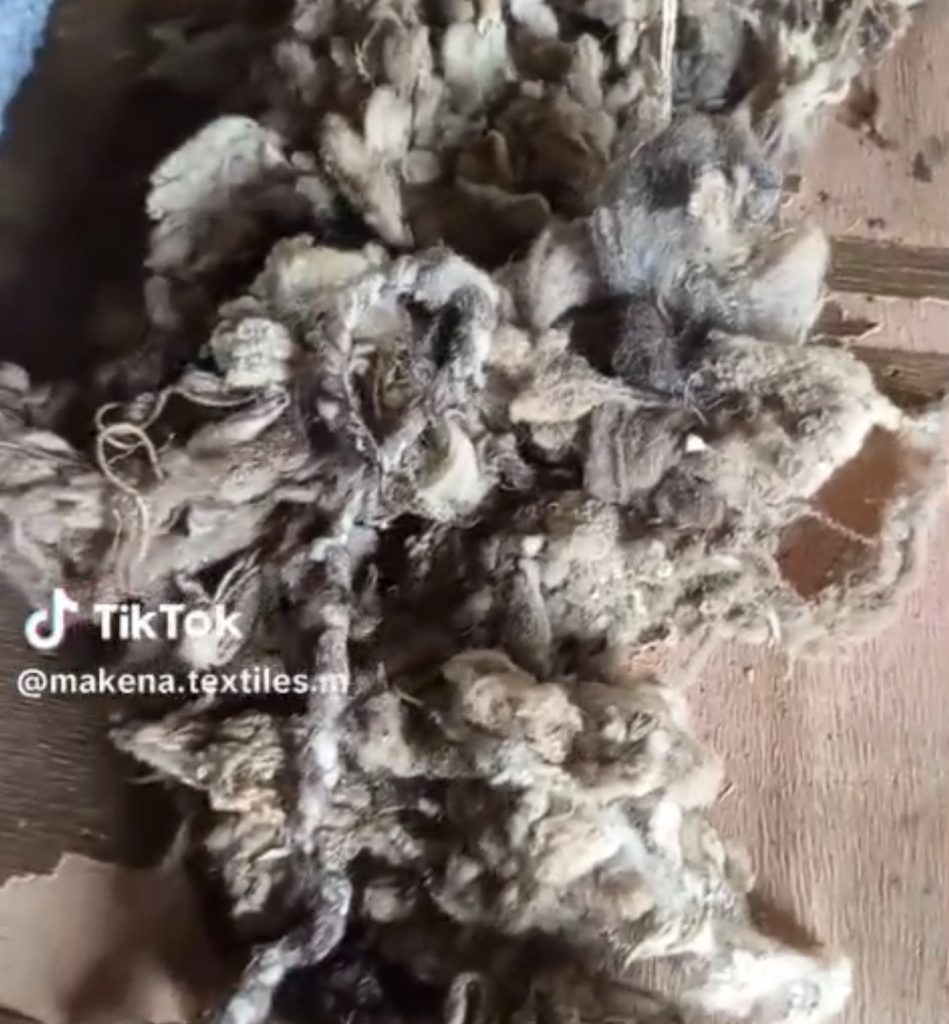
“Right now, we have a specific farm where we buy our wool. We now buy our wool from Marania Farm, since they know us and we have a good relationship with them. Sometimes they give us wool for credit and even arrange transport for us.”
“The price depends on the colour and quality of the wool; white wool goes for Sh100 to Sh120 per kg, while brown wool goes for Sh60 to Sh80. We buy it raw.”
“We would like to purchase even 15 bales of wool, but it also depends on the money we have and the orders,” she said.
But our “locally woven carpets are of good quality, warm, and durable. When you step on them, you feel warmth,” she said.
It’s a quality that is seeing them now set out to conquer TikTok to get their beautifully made products back in front of far more buyers.
Read next
Get your farming news by email.
Free. Market prices, crop news and farmer opportunities, straight to your inbox.
Set county, crops and alerts
Become a free member so weather and saved tools follow your farm profile