
Nakuru grafting expert builds trees to fruit faster, beat pests, and match climate
By Jael Maunda
Grafting expert Patrick Njoroge is designing grafted seedlings to deliver better fruit five to 10 times faster that resist more pests and match his buyers’ climate, based on the roots he is matching to the fruit.
Based in Molo, Nakuru, Patrick’s nursery is grafting seedlings for apples, mangoes, avocados, passion fruit, and macadamia that get to their first fruit in a fraction of the time, he said..
“Without grafting, you can plant a seed and wait for 15 to 20 years without producing a single fruit,” said Patrick. But, with grafting, “the crop produces fruits much faster.”
But, he said, “the waiting is only part of the cost. Farmers who pick planting material without thinking about the fruit they want or the market they intend to sell to often end up with trees that do not deliver..”
“The main reason for grafting is to produce a seedling that is more resistant to pests, less affected by changing climatic conditions, and more tolerant.”
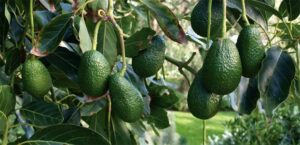
“For example, the Hass avocado has a small seed and produces a weak rootstock, and the tree has a shallow root system. You can graft it and achieve a good success rate, but it may not last long enough to give the farmer the production they expect.”
“You must check whether the rootstock has a good root system and whether it adapts well to different climatic zones. You also need to establish whether it comes from a hybrid or indigenous seed.,” he said.
Roots from more pest-resistant varieties often move the pest resistance to the new grsft, researchers have found, for instance through the roots creating chemicals in the plant the pests don’t like.
Patrick has also seen the grafting help stop pest losses by moving seedlings swiftly to making more resilient adult leaves.
“One of the most invasive and, let me say, tolerant pests is the Persea mite. It has caused many farmers to lose their seedlings. Infestations on their farms have caused farmers to lose production. We have tried to control it in a more eco-friendly way, but we find that this is not working. So most farmers are choosing chemicals as an option. The mite feeds on the avocado’s grains (leaf veins) and has a coating on its body. It produces something like a web. Most of them feed along those grains, and as they feed, they produce a web-like substance, possibly to shield themselves from predators and from pesticides that farmers spray on them. That is why they become more tolerant.”
The result is often full leaf drop.
But while adult trees then grow new leaves, seedlings can die completely, and the mites prefer junior leaves to tougher adult leaves. However, the grafts produce adult leaves from the start, giving the seedlings just a little more resistance to the virulent pest.
On this basis, “after identifying the desirable characteristics of the rootstock and the mother plant, you join them together to produce one seedling,” said Patrick.
“The two parts must be compatible for grafting to succeed. That is how you can produce a fruit tree with the characteristics you want,” he said.
But the grafting takes skill.
“When I did not have the skills, I used to spend a lot and lose it all. I started to notice that farming can be cheap if you have enough exposure and are able to see the opportunities that are there.”
But this insight comes with learning, and often through trial and error.
“I used to graft tomatoes using selected rootstock, but I later stopped after realising that the results were not what I wanted. Instead of improving the taste, grafting interfered with it. The juice content was also reduced, and the texture of the fruit changed. Although the plants were producing well and the production period was prolonged, the quality of the fruit was not suitable for the market. I therefore decided to stop grafting tomatoes and concentrate on other planting materials.”
There are also limits on which rootstock can be used for which fruit.
“You cannot graft mango with avocado, because they are not of the same species. When grafting, you bring together the cambium tissues from the rootstock and the scion. These tissues must come together so that they can develop and form one growing plant. When you join plants from different species that are incompatible. They may initially start healing at the grafting point. However, the tissues do not properly align, and the scion eventually starts rotting. That is why you cannot simply choose two different fruit species and graft them together.”
It also has to be done correctly.
“Grafting is not guaranteed to succeed every time. One of the factors that can cause failure is poor alignment of the grafting materials. Secondly, you must not allow air or water to enter the grafting point. The two parts need to come together properly for the tissues to join and continue growing. If the grafting point is not properly protected, the process may fail. Farmers therefore need to understand the technique and use the right tools when grafting.”
His nursery, Terra Madre Smile Ltd, then concentrates on which fruits local farmers most need.
“We have a lot of Hass avocado in the nursery. We also have the Pinkerton variety and indigenous varieties. For apples, we have Honeycrisp and Pink Lady. The variety we choose depends on what the farmer wants and what they intend to sell.”
Read next

Get your farming news by email.
Free. Market prices, crop news and farmer opportunities, straight to your inbox.
Set county, crops and alerts
Become a free member so weather and saved tools follow your farm profile