Government confirms virulent African Swine Fever outbreak in Kenya
4 min read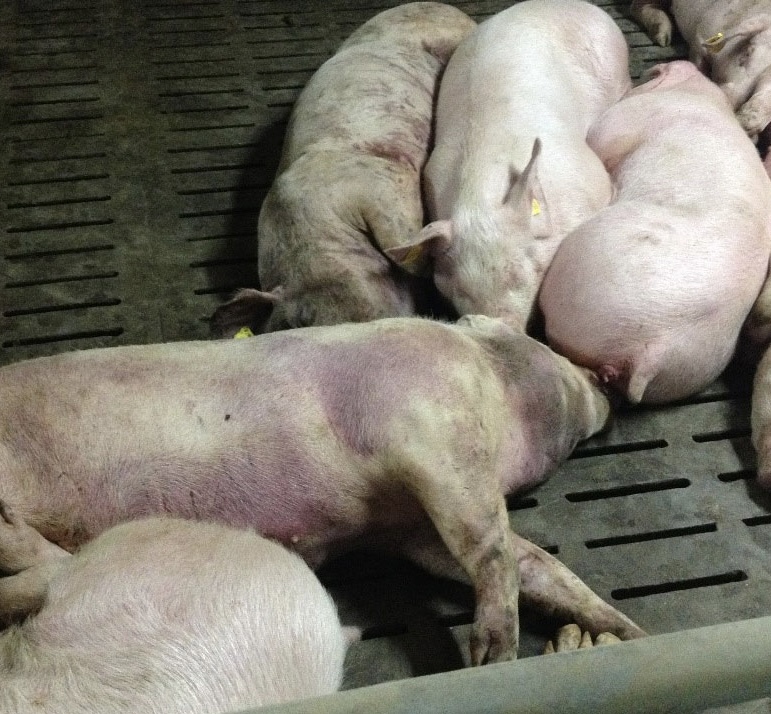
By Marion Achieng and Antynet Ford
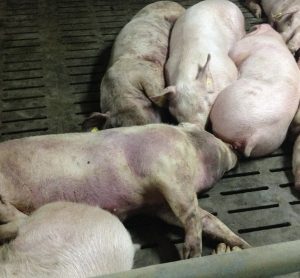
The DVS has confirmed a virulent, countrywide outbreak of African Swine Fever across at least eight counties, instructing counties to ramp up monitoring and enforce movement controls to control the spread of the disease,which has inflicted thousands of deaths in 2026 to Kenya’s Sh9.7bn pig industry.
The DVS surveillance systems, including the Kenya Animal Bio-surveillance System (KABS) and Laboratory Information Management System (LIMS), as well as the International Livestock and Research Institute (ILRI), had confirmed pig deaths in Kiambu, Kajiado, Kakamega, Embu, Tharaka Nithi, Siaya, Busia, and Migori, leading to the mobilisation of rapid response teams nationwide. Together wirh reports from farmers and vets, the deaths now number thousands.
According to vets interviewed by FarmBizAfrica, the outbreak is the worst experienced by the country in over a decade, and may yet be the worst in memory, with record keeping of the disease largely absent.
“County veterinary departments have been instructed to ramp up inspections at livestock markets, slaughterhouses, and retail pork outlets. They are tasked with ensuring swift laboratory confirmation of suspect cases, tracing animal movements, and conducting intensive farmer training on disease recognition. These frameworks have already been distributed to all county directors to ensure uniform, aggressive implementation across the country,” the Director of the Veterinary Services at the State Department for Livestock Development Dr. Allan Azegele said.
In an interview with FarmBizAfrica, the Directorate of Veterinary Services said there had been a challenge in the disease’s confirmation process, citing Kiambu, which reported 1,470 cases of deaths attributed to ASF based on symptoms, but without laboratory tests.
“Laboratory confirmation is pending as samples have not been collected and submitted. This is a major operational failure that undermines the ability to officially confirm the disease and trigger a formal national response…The Kiambu outbreak with over 1,000 pigs affected has not been officially confirmed,” he said.
The government’s failure to achieve testing contrasts sharply with the International Livestock and Research Institute (ILRI), which was able to conduct a PCR test and confirm ASF when its own research farm,in Kitengela, was infected by the outbreak on 26th June.
ILRI conducted a PCR test and confirmed the ASF in Kajiado County on 6th July, reporting the outbreak to the World Organisation for Animal Health (WAHIS), in compliance with international legal requirements.
On 29th July, the DVS issued a statement saying there were no confirmed cases of the disease in Kenya.
The DVS ascribed the slow response to the outbreak, first reported by farmers in March 2026, to county failures and constrained funding, with veterinary services a devolved function.
“From the policy level and the director’s office, we liaise closely and work with them (the counties) and we give clear directions and directives. The county should have the required lab tests and equipment needed to examine samples. The counties should finance the tests veterinary officers need to do the tests.”
Dr. Azegele said all county directors of veterinary services have now been directed to intensify public awareness campaigns to prevent the further spread of the disease, and called upon all pig farmers and stakeholders in the pig value chain to work with veterinary authorities in efforts to curb the disease and prevent further outbreaks.
Farmer reporting is often weakened by the culling of surrounding pigs that is often necessary to prevent further spreads. But without containment measures, the disease can spread rapidly, representing a real threat to the country’s 500,000 pigs and sh9.7bn pork industry.
Reports indicate that the 2026 ASF outbreak is of the Genotype IX virus, which research indicates is highly virulent, explaining the severe mortalities that have been shared by farmers.
“The virus mutates faster and that is why it has been difficult to settle on the vaccine to be used. This means, if a vaccine is produced for this Genotype IX virus for example, it will become ineffective once the virus mutates,” said Dr Azegele.
ASF is highly infectious and spreads rapidly among pigs with mortalities reaching as high as 70 per cent depending on the age of the pigs and its susceptibility, he said.
He warned farmers against feeding swine with untreated food waste, which introduces the virus to the farms, encouraging them to properly cook the meals before feeding their animals.“Cooking the waste meals with Magadi Soda will help neutralize the virus.”
ILRI cited swill feeds as one of the causes of the outbreak on its research farm in Kajiado, alongside illegal animal movement and transmission by humans, vehicles, and feed.
The DVS called on pig farmers, in a statement issued on 17th August, to report any sudden illnesses or deaths immediately, quarantine their pigs, and dispose the carcasses properly with the guide of vet authorities to prevent further contamination.
Some 70 per cent of Kenya’s pigs are concentrated in just 5000 farms across Western, Rift Valley, Nyanza, Eastern, Central and Nairobi, with the outbreak having now reached most of these regions.