Wheat price hikes end Kenya’s cheapest staple, trigger dropped meals
4 min read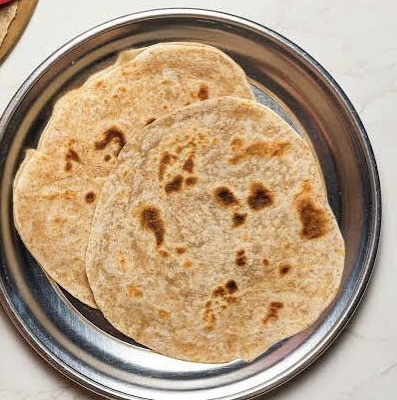
By Antynet Ford
Kenya’s wheat gridlock, and rising world prices, are set to remove the country’s cheapest staple food, forcing families and workers t skip meals as wheat moves out of reach, according to consumers in Murang’a County
For many, far removed from government policies and global markets, it is the millers and the government who are to blame for this new, next level of hunger.
“I am a mother of five and wheat products are the cheapest meals that I can ever afford because when I buy, say, a 2kg packet of wheat flour, I am able to feed the kids three or four meals. And this is just with Sh160,” said Syrose Akinyi, a local trader at Makuyu market”
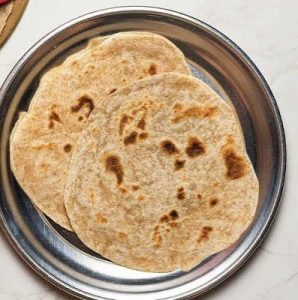
“If it goes beyond Sh200, or even the current average of Sh160, it means I will have to cut down to two meals. That is foregoing breakfast. But lunch is also at risk, because, when I cook chapati in the morning, the kids are always assured of having lunch, because the extra is what is served as lunch and the remainder used as breakfast, again, for the next morning,” she said.
“For me, this is cheap. Will I look for money to pay my rent and still struggle for meals? ..I stopped buying bread when it went past Sh50 and turned to chapati or mandazi, but now, again, if the prices for the flour go up, it means doing away with one meal completely, which will not be there for the kids, but they will have to understand,” she said.
The government has pushed millers to increase the prices of wheat to attract more local supplies, and is simultaneously stalling the paperwork for them to import wheat until those local supplies are bought.
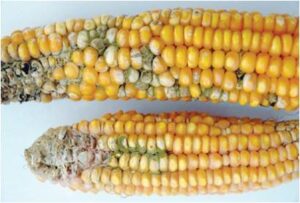
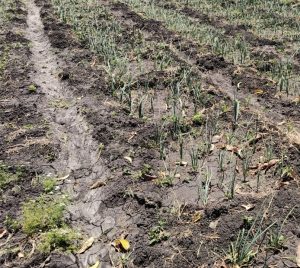
But Kenyan wheat farmers have reported sharp drops in their 2026 production on climate and disease losses to rust, which the government has banned the main control for.
Moreover, the standoff comes with global wheat prices now rising rapidly, up by 30 per cent last month, July, following damage to the ports exporting wheat from Russia and Ukraine, as Russia fights to gain control of Ukrainian territory.
With other nations now buying the remaining supplies from the northern hemisphere’s annual harvest, Kenyan consumers are set to be hit especially hard, continuing a trend of higher food price rises and lower calories per head in Kenya than for most of the rest of Africa.
“The government should release the document the millers wants to make our lives easy because the economy is already hard for us,” said Syrose.
Others blame the millers, alone, for the rises ahead.
“On a normal day, I’ll take tea and bread in the morning, then lunch take choma, that is chapati with bean soup, or. if it is a good day, ‘Chapati Madondo’ that is chapati with beans or even ndengu,” said Boniface Muraya, a newly employed electrical engineer at Makuyu.
“When millers decide to increase the prices, it trickles down to the Kibanda because the prices will rise even upto a Sh100 from the current Sh70 and Sh80 in other places,” he said.
“When wheat flour prices were last increased after Covid-19, choma stopped being Sh30 and it is nowadays Sh50. These millers want Kibandaski people to take choma prizes to Sh80, surely! That will be unfair to us and probably, for me, I will have to fast during lunch, or just snack because there are other things to be catered for by the Sh100 instead of lunch,” said Boniface
For other consumers, despite the government’s declaration of new initiatives to improve wheat harvests, the hikes in 2026 are solely a government problem, caused by too little attention on how to increase local wheat production, which has left Kenyans victim to war prices from across the world.
“I know bread and tea is always my go-to breakfast any day, because it is cheap and easily accessible. With Sh105, I have access to ATM milk and the 400g of bread. But surely, bread prices will keep on rising year in year out because of wheat shortages” said Dinah Abade.
“I blame the government for this. I know if the production is increased, millers will consider buying wheat locally at a greater percentage than importing from Russia,” she said.
“For me, if the price is increased, especially with Sh5 and above, I will turn to nduma (arrowroots and sweet potatoes) though these are expensive. I will keep buying the bread once in a while. Chapati and mandazi I already take them once in a while, pasta also.”