Goat farmer stacks female goats for breeding boom on El Niño
3 min read
By Marion Achieng
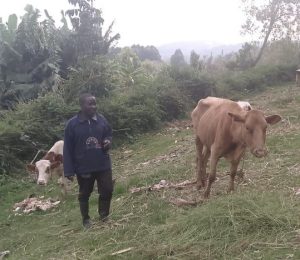
Goat farmer Lawrence Nduva is seizing El Niño as a growth opportunity, by selling only male goats now and keeping all his 70 female goats to breed as fast as possible once pastures flourish in the new rains.
Based in Kilibasi, Kwale County, Lawrence has seen little rain in the past six months, but as an expert in climate change, he is now preparing for a rapid turnaround.
“Because El Nino is coming, we are likely to have a lot of feeds from next year January, so better production. We are targeting high production…We want more animals that can reproduce next year from January, so we can have many goats. When there is more fodder, livestock have more to eat and even gain weight so when you sell, you get good money for it,” he said.
After the heavy rains in 2023/ 2024, goat prices rose sharply, to as much as 135 per cent of average prices.
“Once we take advantage of next year, if there is a drought next year but one, just in case, we will then be able to reduce our animals by selling to farmers. So, that year, we focus more on sales than production…We just want to be prepared,” he told FarmBizAfrica.
“Next year, we expect the rains will be in low amounts, then we can sell our animals to farmers who do not plan,” he said.
This planning is part of Lawrence’s strategic approach to goat breeding and sales that has earned him far more than he would have raised through ad hoc sales. That sees him focus on sales during peak seasons, and avoid selling in periods when prices are typically low.
“I sell goats at livestock markets in Mombasa and online during Eid celebrations, in April for Easter, and in December during Christmas, when prices are likely to be high,” he said.
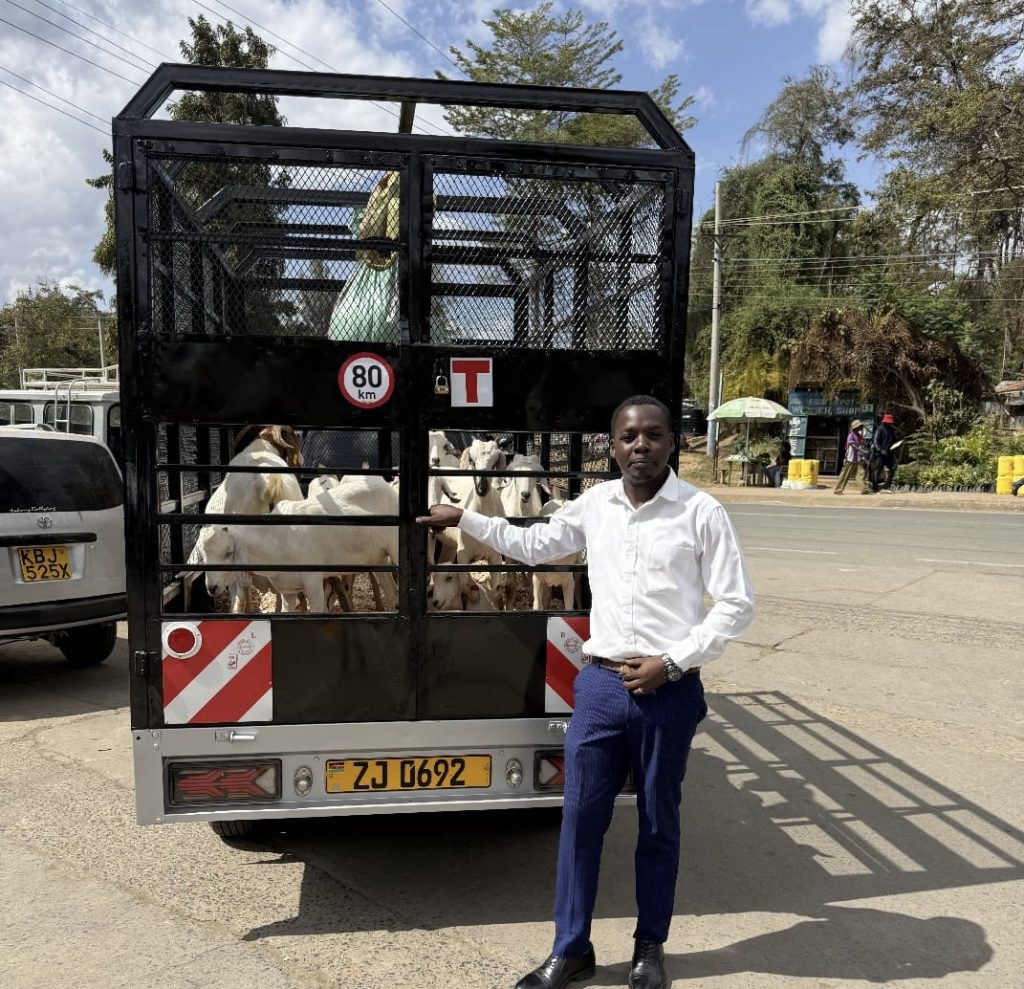
During these peak, he can sell one goat for meat at Sh10,000 while a one-year-old goat for breeding can fetch Sh12,000. “I sell breeding goats online and those for meat offline.”
“I don’t sell during school opening months, because then the prices are low because of an increased supply…parents rush to sell goats to get school fees and meet other needs.”
“Prices rarely drop during the rainy periods, especially for galla goats,” he said. But they regularly fall during drier periods, especially in markets where pastoralists migrate to during droughts. That can create oversupply “and the general health is weak too, which can cause a drop in prices.”
“Many people sell their animals during the dry period. But, for me, I prefer if you can keep a certain number of animals healthy, especially the reproductive ones, keep them,” he said.
“Post El Niño, I just want to have a few animals that I can manage after selling some at a good price, not at a throw-away price.”
He also prioritises quality. “We get galla goats from registered farmers who have improved them for breeding. It is better to get goats from an established farmer who has done breeding themselves, done disease control, and vaccination.”
With currently 70 reproductive female goats, 60 galla, four saneen, and six twinning East African breed, Lawrence plans to have at least 100 by December this year, he said, ready to breed heavily from January.