Farmer uses traditional alcohol to save FMD cattle, as vaccinations delay
3 min read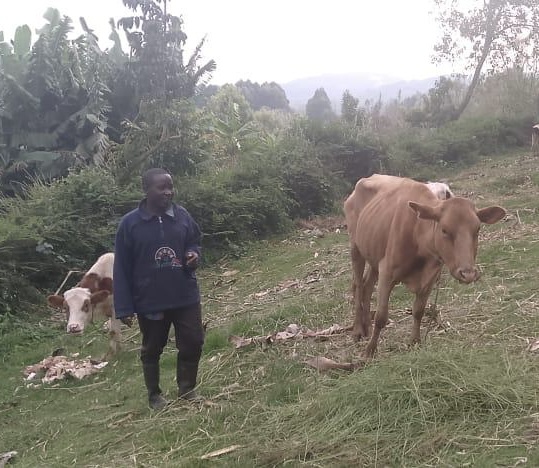
By Wycliffe Musalia
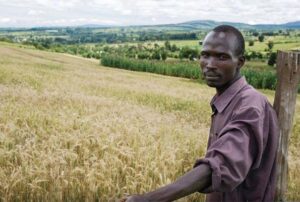
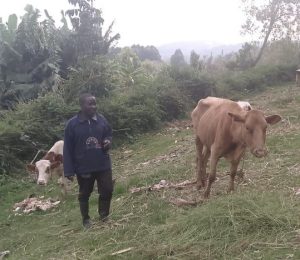
Ongeri Omoyo, who had waited a year and a half for foot and mouth disease (FMD) vaccinations, as part of the national campaign announced in January 2025, was still waiting when his six dairy cows were struck by the disease, seeing him turn to traditional remedies to save their lives, but not their milk yields.
“All my six dairy cows were hit by foot and mouth disease. Until now, they have not received any vaccination,” said Ongeri, from Esise ward, Nyamira County.
“We are yet to see government vaccination of cattle in this area. But there is an ongoing registration exercise, where officers are visiting every farm scanning the muscles of every cow, before they start vaccinating the animals. The officers said after this, they will go round doing vaccination,” said Ongeri in an exclusive interview with FarmBiz Africa.
But the protracted process was too late for Ongeri, whose animals fell to the disease two months back, in June 2026.
“Their milk production went down. Even one of the cows was not completely milked. Before the FMD hit, I used to get 3 litres per cow but this went down to less than a litre. The cows had a challenge of eating silage because of their wounded mouths. Walking is also a challenge for a cow hit by the disease.”
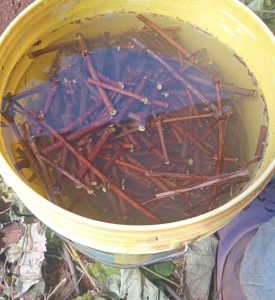
But the farmer is now trying traditional methods to help them recover. “I have used fermented traditional alcohol to sanitise the cows’ mouth and sprayed some on their legs for two days. I also used table salt and soda ash. It is four days now and I am seeing change. They are now eating silage, but production is yet to recover.”
“I am also feeding the cows well, giving them mineral-rich food including salt, fodder and enough pure water. This helps to improve their recovery from FMD. I am also keeping the cows enclosed to avoid further contraction of the foot-and-mouth disease,” he said.
Cows that survive FMD typically take around two months to recover their milk production, and can have low energy and below average milk for as long as six months, but boosting their feeding, sometimes even with recovery diets, can shorten the recovery time.
“If we would have secured vaccination for the cows, they would be safe now, but the traditional method is proving our saviour. My neighbour used a general antibiotic vaccination without the FMD vaccination, but it didn’t work and his cows almost died.”
The government has received donor funding to vaccinate over 22 million cattle against FMD countrywide, in a campaign scheduled to take three years from January 2025, but progress has been slow. In April 2026, Citizen Digital reported, the annual congress of the Kenya Veterinary Association (KVA) “warned that inadequate vaccine access and weak veterinary systems are undermining animal health across the country”.
Vaccination rates for livestock and ruminants remained at between 6 and 20 per cent nationwide, it said, “leaving many regions vulnerable to outbreaks of diseases such as FMD”.
The vaccination campaign has been funded to combat the increased outbreaks of FMD in cattle and Peste des Petits Ruminants (PPR) in sheep and goats, which have been hitting farmers and denying Kenya access to high-value international meat and dairy markets, such as the European Union.