Poultry farmers seek feed alternatives as prices soar
6 min read
As the price of maize hits an all time high, more poultry farmers are neglecting poultry farming or reducing the number of poultry they keep to cushion themselves from the high cost since maize grain is a key ingredient in feed manufacturing.
However farmers adamant to remain in poultry farming even with the biting times have found respite in alternative chicken feeds that are not only proving cost effective but also nutritious to the poultry. From traditional crops that are regarded as nutritious to humans like amaranth, millet and sorghum to worms farmers are recording reduced costs amounting upto 40 percent through these alternative feeds.
Researchers have also thrown their weight behind the alternative feeds debate arguing that the feeds allow for little or no competition with humans in terms of consumption like maize does. Maize is the principal energy supplier in poultry feeds, but almost all production is used for human consumption.
Demand for maize for human consumption has so far outstripped supply which makes maize very scarce for poultry feed. This scarcity has led to an increase in prices of commercial feeds, which then has the cumulative effect of farmers halving orders for day-old chicks hurting future prospects of poultry farming. The end product is a spiral in product cost due low production and high feed prices.
Related News:Maize shortage & new taxes predicted to drive up feed cost
Related News: Roundup agriculture jobs in Kenya-9th July, 2025
The amount of maize required for human consumption is estimated to be 3 million metric tons. Currently, Kenya does not produce enough maize and about 10 percent of the requirement is met through importation. Inadequate supply of maize affects feed production in terms of quantity and quality. Kenya is deficient in oil seed cakes/meals that are important as protein sources in chicken feeds.
A recent analysis of the feed industry shows that there is considerable importation of wheat milling by-products from Uganda. In adequate supply of the key inputs in animal feeds, puts the manufacturer in a difficult position. This has therefore birthed talk of alternatives for feeding chicken.
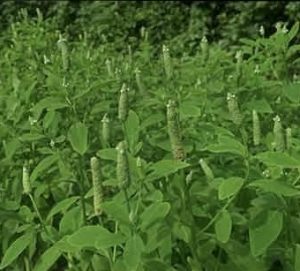
Researchers are already looking at nonconventional sources such as pigeon peas, leaf meals, and agricultural by-products for protein supplements. A recent research by the Bridgenet Africa on alternative feeds reported that bulrush millet appeared to be a good replacement for maize due to its higher protein contribution, and that it could be improved further with lysine supplementation.
The research also found out that raw pigeon peas were a suitable source of protein at levels up to 15 percent in chickenfeed rations. The report further noted that Bulrush millet and pigeon peas combined were able to replace up to 40 percent of the conventional energy and protein sources in poultry feedstuffs. The bulrush millet which withstands hot temperatures is a common livestock feed among poultry farmers in the semi arid Mbooni area of Ukambani, with the farmers reporting a turnaround in savings through these alternative feeds that they only grind manually and feed to their chicken.
The same farmers are also using cassava as an alternative feed due to its surplus production for human consumption. However they first dry it to rid it off cyanide, the toxic producing fungus. This model of introducing cassava is being championed by Bridgenet an NGO assisting farmers in Poultry keeping which has borrowed the model from European countries like Holland and UK who have imported cassava from South East Asia for use in poultry and pig feeds. “It is possible to change all this cry about expensive chicken feed, if you look around and see for example how much cassava is rotting in the farms due to oversupply. That cassava has been proven to be nutritious feed for chicken, and is readily available,” says Dorothy Mwende a programme officer with Bridgenet.
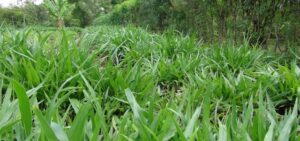
Mary Gikuni an agroproneur from Limuru area ventured into farming fodder shrubs that have been known to increase milk production in cattle by 20 percent. She later learnt from scientists that the same fodder shrubs known as Caliandra are very effective in feeding chicken once they are cut into small quantities and even mixed with feeds that may be low in protein.
Related News: Meru dairy farmer banks on genetics to turn profit as feed costs rise
The shrubs which are easier to grow, maturing in about 12 months, after which they can be regularly pruned and fed to livestock for up to 20 years have been known to harden the shells of the egg and improve the quality of the egg yolk. Mrs Gikuni who couldn’t keep up with the rising cost of chicken feed recording tremendous losses, got a break when a fellow farmer introduced her to the fodder shrubs.
Within one year of spirited effort she managed to harvest her first leaves, which she mixed with feeds of lower quality, with the fodder shrubs providing the minerals and the proteins. From an initial investment of around Ksh 2,000 in buying and tending to the caliandra seedlings, Mrs Gikuni now earns between Ksh6,000- Ksh 10,000 a month after expenses. She is among the few supplier of chicken products in schools and hotels in Limuru area. “I always tell my customers to compare my eggs with those of chicken that has fed on commercial feeds. The difference is glaring. The egg shell is harder and the egg york more yellow,” she says.
However experts are warning that farmers should be wary of the kind of feed they intend to give their poultry and should discuss it with the veterinary officers or experts in feeds because some of the alternative feeds might be poisonous or might affect the quality of the end product. “Alternative feed ingredients need proper quality control from the outset to define the nutrient content for a particular source,” says Dr Mwikali a consulting animal scientist.
Are you a farmer looking to grow the most profitable crop on your farm, with or without irrigation. Use FarmBizAfrica’s HarvestMAX on https://harvestmax.farmbizapps.com and it will tell you in less than a minute what the highest income-earning crops are for your weather, soil type and this season, based on your seasonal weather forecast. Don’t make weather losses ever again, and more than triple your income.