Farmer restores ¼ of tomato crops lost to spoilage by load-sharing transport with neighbours
3 min read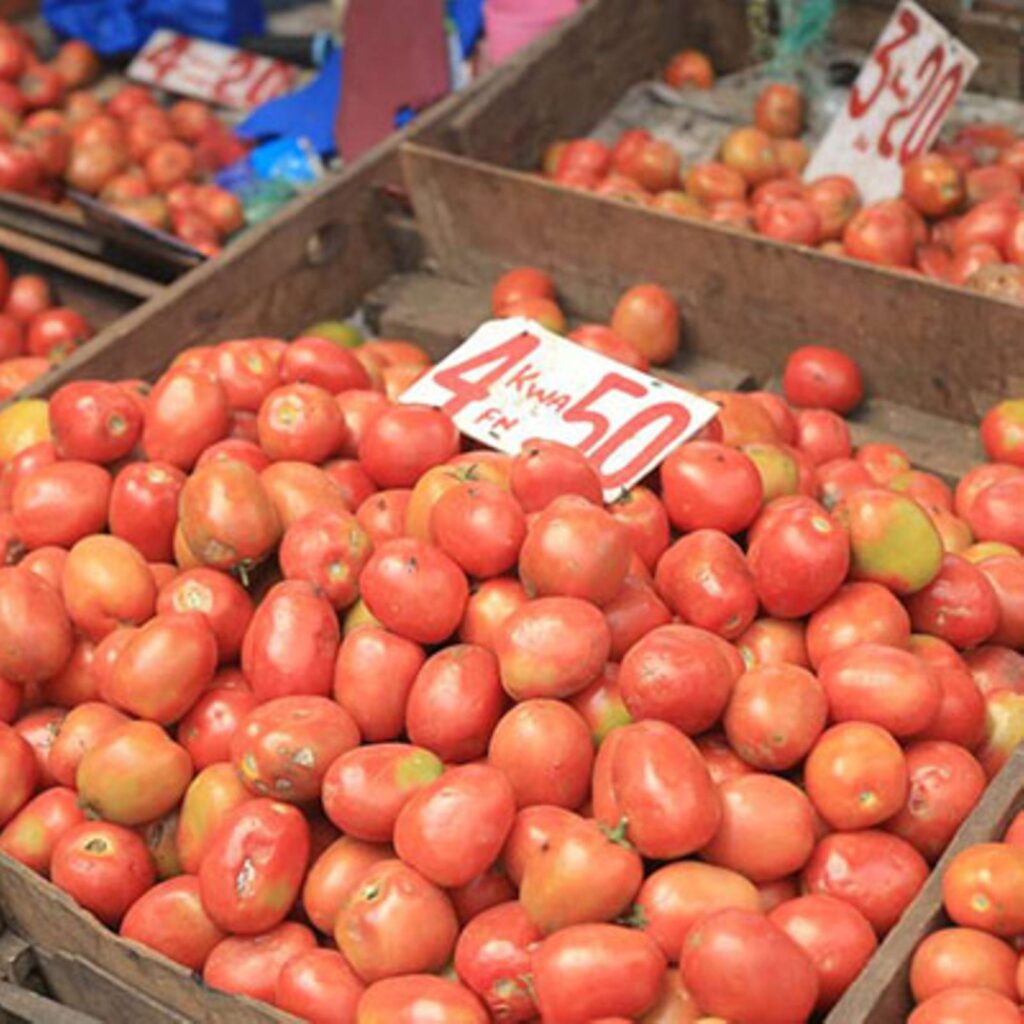
By Felix Ochieng Akech
Samuel Oduor was spending more on transport than he earned from his crop, but has now restored ¼ of his crop lost to spoilage and saved Sh1,000 per delivery to market through a WhatsApp load-sharing group with four neighbours
Farming in Awendo, Siaya, he faced expensive trucks and unreliable matatus that often meant his crops were sat in the sun waiting for transport. “I would pay Sh1,200 for a small truck to town, and, by the time my tomatoes reached the market, half were bruised or unsaleable,” he said. “It felt like the road was eating my profit.”
But, in 2024, Samuel and four neighbours organised a load-share group and a WhatsApp buyers list. Together they now confirm sales with traders before loading, use boda-boda (motorbike) riders for the first mile collection, and use one van per trip.
“Before we lost about 30% of our tomatoes to delays and rough handling,” Samuel said. “Now spoilage is down to about 6% and we pay roughly Sh350 each per trip. Our net margin improved by nearly Sh1,000 every load.”
Based in Ugunja and neighboring Ugenya, their system for solving their “first mile” problem moving goods had three parts.
They made a roster and phone list to each hire a trick and share loads.
“We take turns leading the load,” said Samuel. “If my turn is Monday, I collect and load; next time someone else leads. It makes costs fair and we each know, ahead, which day we will be paying out,”
They also now use boda bodas to collect their crops and take them to the van collection point.
“The motorbikes make quick rounds early in the morning,” said Miriam Atieno, a women’s group leader who also joined the load share group. “They arrive with crates before 8am so we can pack and load the truck by 9am.”
They also started taking pre-booked orders on WhatsApp market groups and buyers’ lists they compiled.
“We post pictures and weight, and a trader says ‘booked’ then we prepare that load only,” Miriam said. “No more wasted trips.”
The transport costs per farmer fell from an average of Sh1,200 to Sh350–450 each per trip, saving around two-thirds of their transport spending.
They have also cut their post-harvest losses by more than 5 per cent, and by as much as 30 per cent for fragile crops like tomatoes and greens, reducing the tie it takes between harvesting and getting their crops to market from 12–18 hours to 4–6 hours.
Related News:
Soil test delivers 5x more tomatoes for Nyeri farmer
Forgotten wild tomatoes rise as pest-free star
Flooding of Ethiopian tomatoes drops prices 40%, onions on the rise
The only word of warning from Samuel is that, to work, load -sharing needs reliable coordination. Missed pickups or late payments can disrupt the group, he said.
But, once the group is coordinating smoothly it can quickly grow, start supplying aggregators, and even start pooling investment in a refrigerated container at the collection point.
“For us, it was small changes, but it changed everything,” said Samuel. “We stopped selling half rotten fruit and started getting paid for fresh boxes.”
Are you a farmer looking to grow the most profitable crop on your farm, with or without irrigation. Use FarmBizAfrica’s HarvestMAX on https://harvestmax.farmbizapps.com and it will tell you in less than a minute what the highest income-earning crops are for your weather, soil type and this season, based on your seasonal weather forecast. Don’t make weather losses ever again, and more than triple your income.