
Researchers flag surge in fish diseases killing fish and making farmers sick
By Antynet Ford
Kenyan aquaculture is suffering rising cases of bacterial infections killing fish and causing food poisoning on poor fish pond care, according to researchers, who have found the infections affecting almost all types of pond-grown fish in the region.
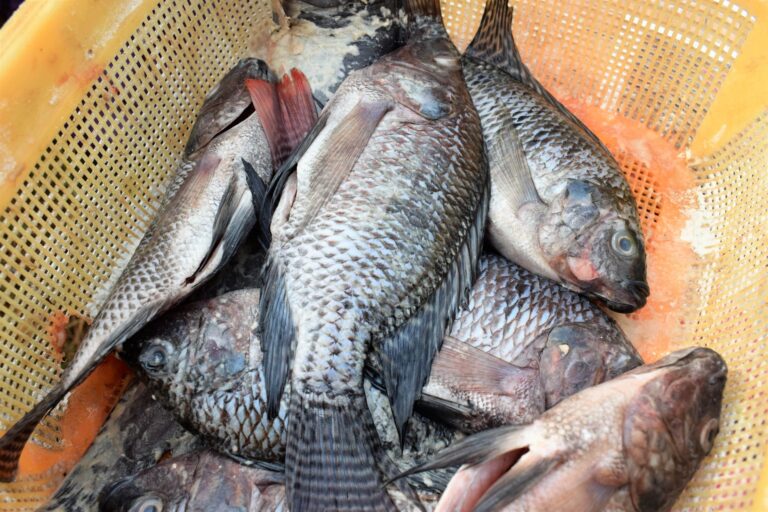
In a review of 21 aquaculture studies published in Academia Biology, the team of Kenyan, UK and Brazilian researchers found tilapia the worst affected, accounting for 24 per cent of infections found, followed by African catfish at 15 per cent. Koi carp and goldfish at 9 per cent each, trout at 8 per cent, and fish products at 6 per cent.
The other 26 per cent of infections were spread across samples of Omena, Nile perch, water sources and fish feeds.
Over 76 per cent of fish farmers had reported mortalities on their farms, with 85.5 per cent reporting losses of up to 10 per cent and 2.3 per cent experiencing losses exceeding 50 per cent, the researchers reported, citing over 82 fish kill incidents between 2020 and 2023, resulting in over 1.8 million tilapia deaths.
However, only 39 per cent of affected farmers reported the incidents to authorities, and just 17 per cent sought medical intervention for their fish. This is only accelerating the spread, as farmers share undisinfected equipment, spread infections through fingerlings, and infect ponds by walking bacteria to the pond or even adding it by using manure.
Consumers don’t get sick so long as the fish is cooked thoroughly, but undercooked fish, and raw fish handled by stall holders and farmers is causing diarrhea, cramps, vomiting and even blood infections like septicaemia.
The researchers named Aeromonas as the most common bacteria, causing hemorrhagic septicemia in tilapia and catfish, and diarrhea and cramps in humans.
Other top infections are vibriosis, causing bleeding, ulcers and internal organ damage in fish and vomiting and septicaemia in people who handle the fish or infected water.
Similarly damaging and found in large sections of the samples were streptococcosis in tilapia and trout farms, Columnaris disease in young fish, Edwardsiella in catfish and tilapia, and Pseudomonas and Enterobacter across most of the types of fish sampled..
The overuse and misuse of antibiotics in aquaculture has also led to antimicrobial resistance, making infections harder to manage, the researchers reported, while home-made feeds and untreated pond water were making the problem worse.
Get your farming news by email.
Free. Market prices, crop news and farmer opportunities, straight to your inbox.