HomaBay farmer returns to cotton success on new seeds and buyers
4 min read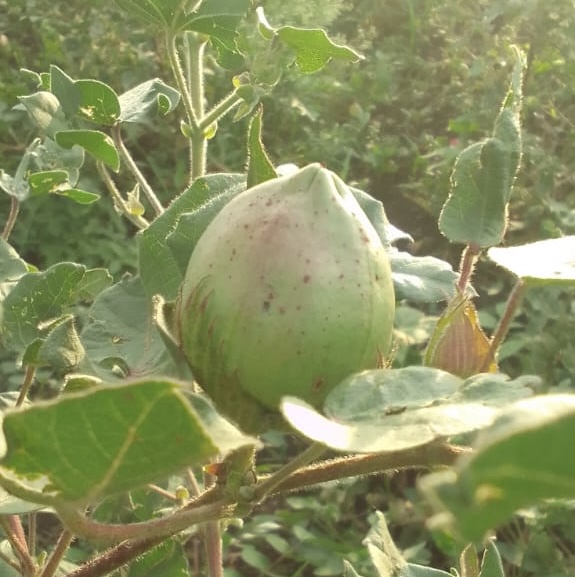
By Dick Wagaluka
Chris Nyauke is now thriving growing cotton, which he had previously abandoned, after switching to BT cotton and winning new, steady buyers.
For years, cotton farmers across Kenya have been abandoning the crop as prices fell, pests destroyed their harvests, and unreliable rain made production a gamble.
“We used to plant cotton and end up with very little,” said Nyauke. “The pests destroyed everything, and when the rains failed, the entire crop dried up. It became discouraging.”
He moved to maize and sorghum, but the gains were short-lived. “When you put all your effort into maize and the rains stop, you lose everything,” he said.
His hopes rose when BT cotton returned. The variety resists bollworm. It came with support from KEPHIS, the International Cotton Advisory Committee, and textile companies such as Rivatex.
“I opted to grow cotton because, first, as long as it has germinated, it’s a drought tolerant crop,” said Nyauke. “It easily catches up even when the rains lapse.”
His first trial marked the start of change. The crop matured in four to five months. It needed less labour than maize. “I have opted for cotton production due to its favourable output, and the workload is quite minimal,” he said.
Older varieties took up to eight months to form bolls and gave poor yields. “In previous varieties before the introduction of BT cotton, I used to experience poor harvests compared to the work outputs,” said Nyauke. “Also, when the rains were cut short, they withered to losses.”
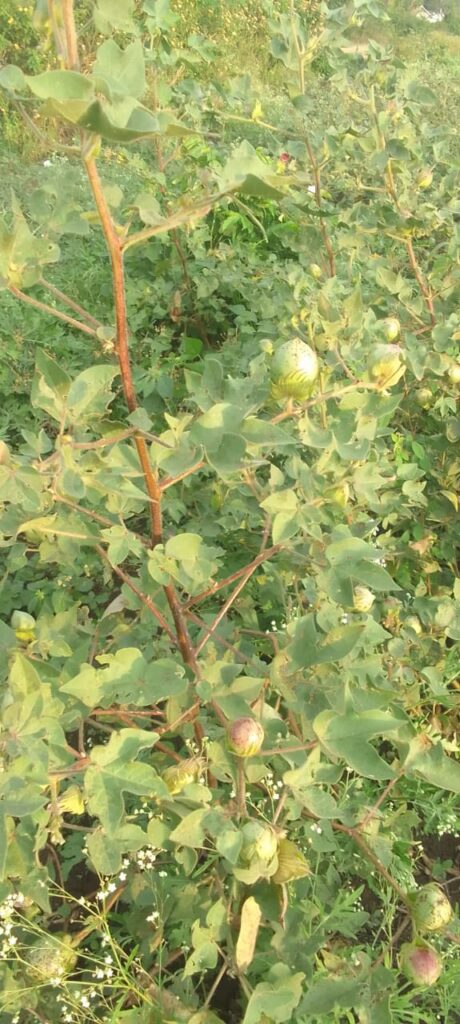
BT cotton gave consistency. Its short cycle matched the unreliable rain. “When rain fails, I gain much more in cotton than in the maize fields,” he said.
The revival also came from the market. Farmers had struggled to sell lint, but renewed demand from textile mills has changed that. “A new market has also motivated me into its practice, since companies such as Rivatex have come strong, creating a steady market for our cotton,” said Nyauke.
Cotton prices have stayed more stable than maize. “Cotton doesn’t experience much of the market fluctuations when I compare it to maize production within my locality,” he said.
Nyauke intercrops cotton with sorghum for food and better land use. “I intercrop it with sorghum which gives me a double harvest,” he said.
His early attempts still faced bollworm. “I encountered bollworm on my first attempt,” he said. “However, this challenge has been resolved by the new variety that is BT cotton.”
BT cotton carries a gene from the bacterium Bacillus thuringiensis. It produces proteins that kill bollworm larvae but are harmless to humans and helpful insects. This has cut pesticide use. Studies by KEPHIS and ICAC show a 60 per cent reduction in pesticide use and better lint quality.
Nyauke still uses organic methods. “As an organic farmer, I make a locally produced pest control formulation comprising pepper, ginger, and garlic,” he said. “I ferment them for two weeks, then add liquid soap which acts as a sticker.”
Crop rotation and good timing support his organic mix. “I adopt good agricultural practices such as crop rotation, which breaks the pest life cycle, and planting on time, which minimizes pest effects on my farm,” he said.
Related News:
Kitui cotton farmer walks water tightrope to 4x earnings with Bt
State increases cotton buying price in bid to entice farmers
Makueni farmers set to up cotton production with new variety
Even BT cotton needs care. “It should be noted that at bolling, BT cotton requires much water,” he said. Moisture affects fibre length and yield. Experts advise mulching and ridging to hold water.
National yields are rising. Kenya’s cotton output, once about 200 kilograms of lint per hectare, now reaches over 1,000 kilograms under better management.
Nyauke said the shift has changed his outlook. “With cotton, I’m no longer worried about rainfall lapses or unstable prices,” he said. “It’s a crop that rewards effort and withstands the challenges that maize can’t.”
Cotton is now returning to fields across Kenya. For farmers like Nyauke, the white fibre has become a sign of resilience in a changing climate.
Are you a farmer looking to grow the most profitable crop on your farm, with or without irrigation. Use FarmBizAfrica’s HarvestMAX on https://harvestmax.farmbizapps.com and it will tell you in less than a minute what the highest income-earning crops are for your weather, soil type and this season, based on your seasonal weather forecast. Don’t make weather losses ever again, and more than triple your income.ther forecast. Don’t make weather losses ever again, and more than triple your income.