Oil processor recruits thousands of new contract avocado farmers, on shortages
5 min read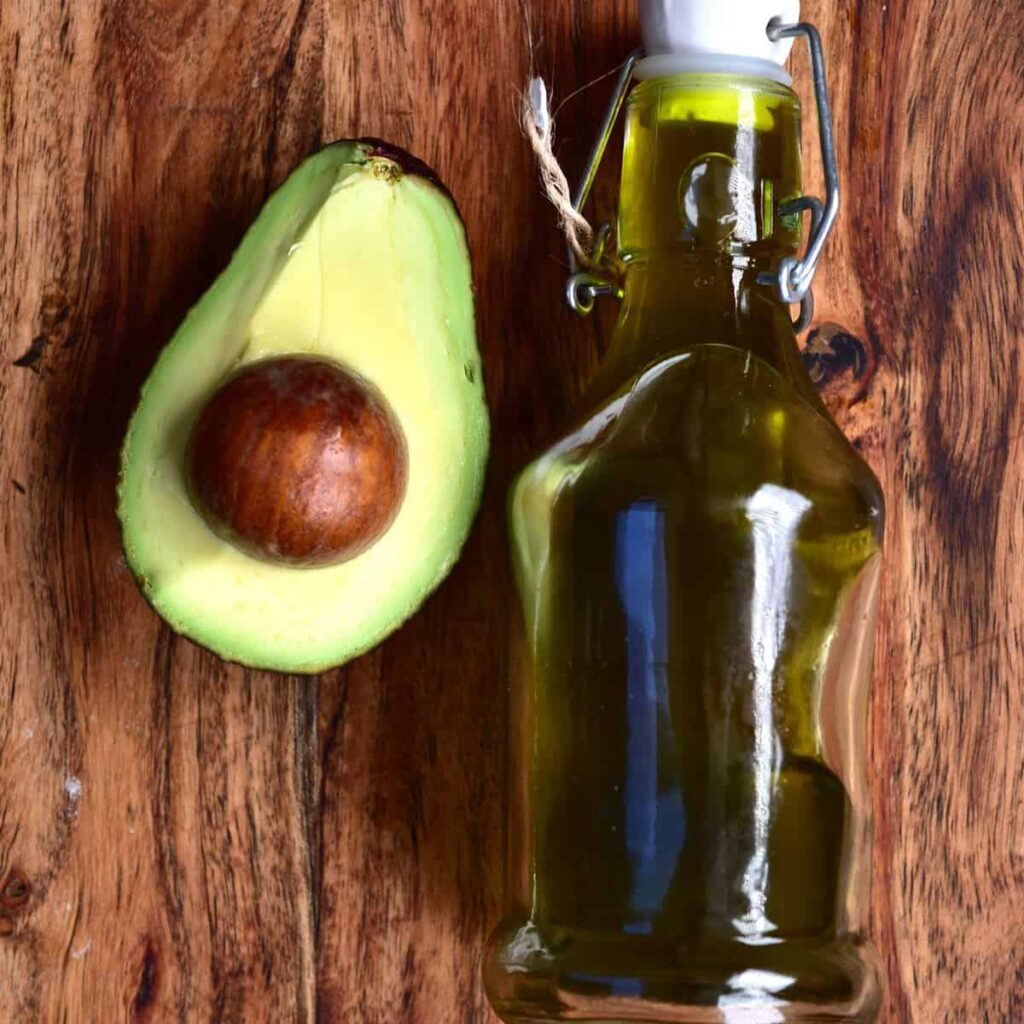
By Antynet Ford
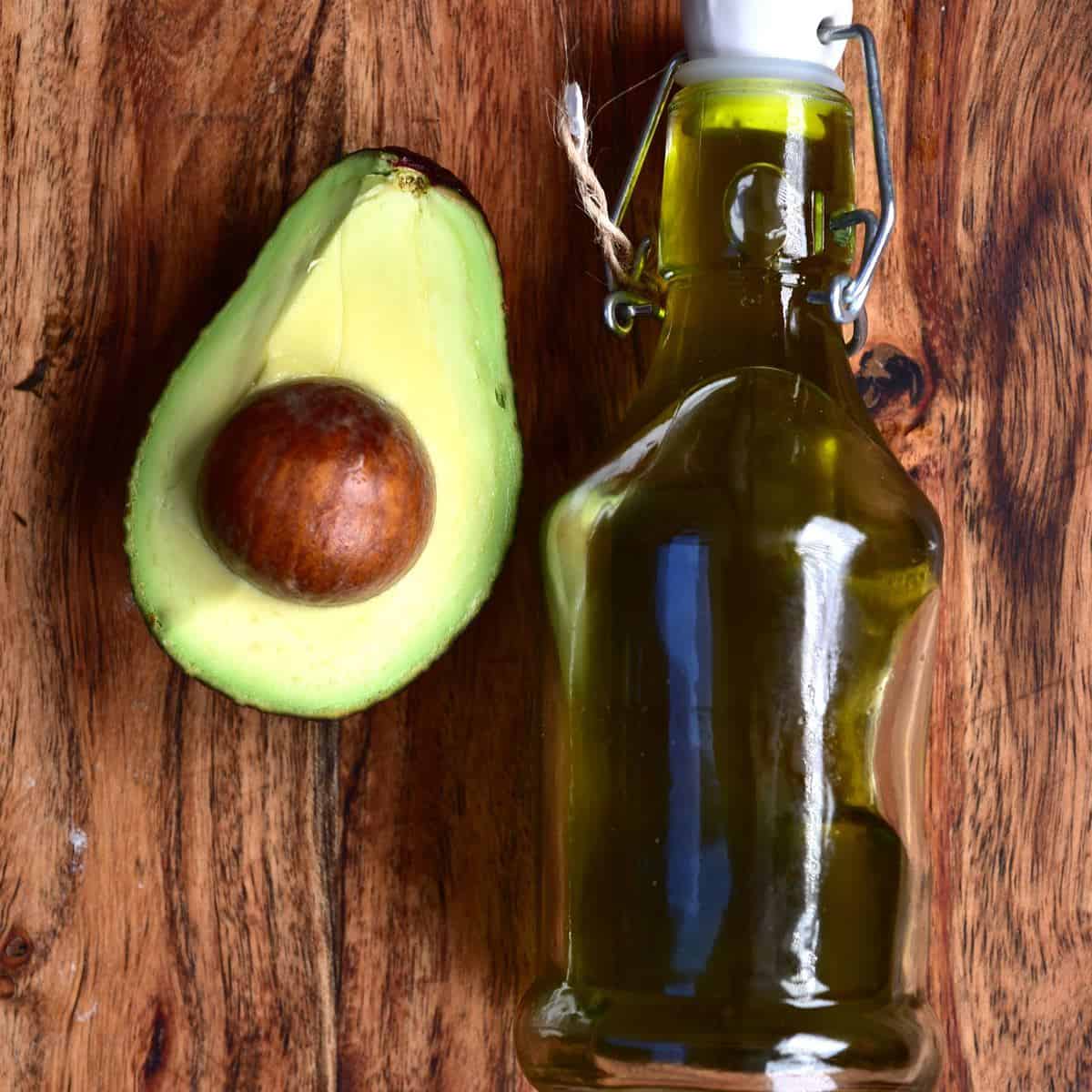
Avocado oil processor Crofts Limited is recruiting thousands of avocado farmers to supply fruit directly, after a 30 per cent drop in the volumes of fruit it is receiving, and falling quality, even as the demand for its oils soars.
“The availability for our factory is not sufficient, and the quality is certainly not up to the level we require,” said Crofts Limited Co-founder, Director and Chief Finance Officer Mitul Shah.
As one of Kenya’s largest avocado oil processors, the company is now looking for long-term contracts with farmers to solve the shortfall.
“Our sourcing is from a combination of smallholder farmers, brokers/middlemen, large fresh fruit exporters, and commercial farms. We currently source from over 40,000 smallholder farmers across Kenya. Sourcing avocados is extremely challenging. Over the past 3-4 years, increased competition for fresh avocados, both from other oil producers and fresh fruit exporters has caused serious challenges in avocado pricing, availability, and quality,” he said
This has seen Crofts decide to sign up thousands of additional farmer suppliers, in time for the opening of the oil processing season on 30th April 2026.
“This year, we will buy more fruits directly from farmers,” said Mitul. The move, he said, was aimed at improving the quality of the company’s supplies, as well as the volume.
“If a farmer is well trained on maturity and harvesting, the yield of avocado oil can almost double, from the average 4.5% to 8%. Suppliers push farmers to harvest because companies demand oil. If the farmers were more knowledgeable, they would tell brokers to wait as the fruit isn’t ready for harvest,”
“The brokers also require a lot of training, however, in our experience in dealing with brokers, they really don’t care about quality and harvest time if there is demand for the fruit. They will supply immature fruits to companies, as companies don’t check or ask for quality. Unfortunately, demand from companies who don’t care about quality is destroying the market,” he said.
“Farmers were understanding of the harvest season and respected the companies’ decisions on when to harvest in the past. Since 2023, the companies are pushing farmers to harvest immature avocados for both fresh export and oil processing. The maturity of the avocados has been decreasing significantly and thus oil yields have been dropping by an average of 25 per cent per year. Post-harvest handling procedures have also been ignored completely since 2023. Farmers now use all kinds of materials to harvest, store, and transport the fruit, without any care being taken on post-harvest handling procedures. Fruit gets damaged in transit, leading to higher losses due to lower quality fruit and challenges in ripening,” he said.
This pattern reflects the damage to the sector, as reported previously by FarmBizAfrica, by the rise of one main buyer and two lesser buyers in the last two years, who have been privileged to continue exporting immature fruits during the AFA export ban, exporting Sh5bn of certificated preseason avocados from 1st January to 24th March 2026.
This buying up of immature fruits has left the country’s oil processors and up to 300 avocado exporters who did not source or export during the ban seeking to resume business on the country’s remaining supply.
Yet, as buyers report shortages, many farmers have misinterpreted AFA’s decision to further extend the ban on oil processing until the end of April as a shortage of demand, with some even arguing that avocados are a new quails egg sector, where there is no real demand, without realising that processors are not yet allowed to source.
This misinterpretation is further encouraging farmers to sell at low prices, and seize any selling opportunity, adding to a continuous problem of changing buyers mid-deal.
“Side selling is a major issue with farmers and has constantly affected our supply. We have had countless instances where our trucks have gone to collect 10 tonnes of fruit from contracted farmers, only to return with less than 2 tonnes because farmers side sold to a broker or another company less than 24 hours before our truck arrived at the collection point,” said Mitul.
“Brokers also take fruit in sacks to the market, which affect our supply.”
But “it is in the farmers’ interest to hold onto the fruit longer to increase dry matter and earn better prices,” he said.
“Export is consuming more; local consumption is on the rise and oil processing demand has increased exponentially. In absolute terms, there are more avocados being produced today than previous years, but the volume is nowhere near enough to satisfy the demand from all consumers of avocados (export, oil and local consumption) Shortages are constant and seasonality is being thrown out the window as some companies operate throughout the year, albeit illegally. All varieties are affected. Hass and Fuerte are the main varieties in demand, however, as the shortage continues and fight for fruit intensifies, companies turn to local (jumbo) variety to fill the gap. All have the same issues of supply, price and quality. Now almost 80% of the year, we operate at below capacity.”
“Crofts has an installed processing capacity of 200 tonnes of avocados per day. We currently process between 10,000 and 12,000 tonnes of avocados in a season. The season runs from April to September/October each year, but we are receiving lower volumes than usual. The volumes have dropped by almost 30 per cent because we need more good quality avocados,” he said.
“Avocado oil processing is a reliable alternative, but only if farmers focus on maturity,” he said. Farmers who meet the required dry matter levels of between 28 and 32 per cent could even earn more from oil processing than fresh exports, while avoiding rejection risks.
“The risk is that high prices and low quality will drive companies out of business. Farmers will then have fewer buyers in the long run.”
“If farmers can offer mature avocados, they may not need to export fresh fruit at all,” with Crofts paying its suppliers farmgate prices of Sh25 to Sh40 per kilo, depending on quality and timing within the season. for oil-grade avocados.
If you are a farmer wishing to sell avocados to Crofts, you can reach their field officers on:
Johnson Mugo – 0711586904
James Chege – 0721909066