Sasini exits avocados amid new war and post-ban shortage
3 min read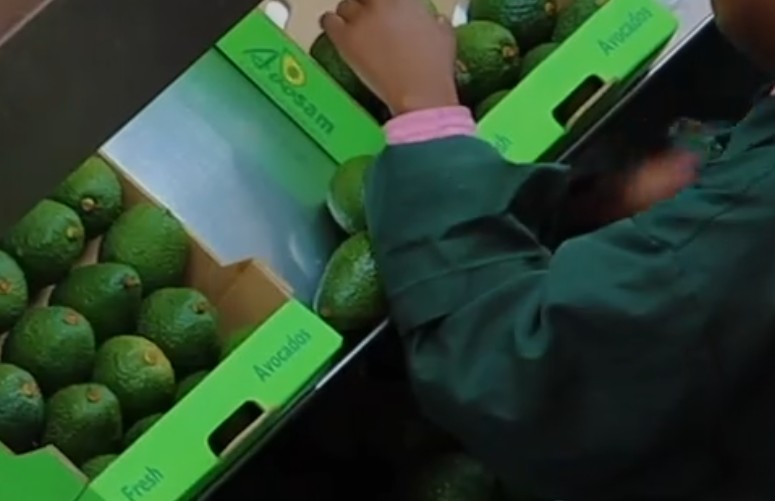
By Antynet Ford
Sasini Avocado EPZ has put its Nairobi avocado processing plant up for sale, bringing to a close its investment in 2021 on three years of declining exports due to shipping disruption, compounded by supply and demand issues on the country’s failed avocado ban.
The company’s venture into avocados got off to a promising start from 2021, with it outsourcing additional supplies while a large portion of its 42,271 avocado trees remained in infancy, and as weather conditions hit output.
From exports of 64 containers, equivalent to almost 1,500 tonnes, in its first year, it achieved growth of 70 per cent in 2022, exporting 109 containers or 2,500 tonnes.
But, from 2023, its exports began falling steeply, with the company reporting earlier this year that its avocado processing business had been “severely impacted by external logistics challenges, resulting in a year-end loss situation”.
“This was due to the profound negative effect of extended shipping times and increased costs associated with geopolitical strife in the Red Sea culminating in closure of that route and, with it, access to European markets,” said Sasini, in the Sustainability Report issued with its 2025 financial results.
By 2025, its sales had fallen to 22 containers, down from 71 in 2024, and 89 in 2023, with the business performing below expectation due, in part, to the conflicts in the Middle East.
At the same time, “the quality of the fruit was affected by the weather and the long transit time,” said the company, as the “disruptions of the Suez Canal shipping route resulted in delayed delivery periods, impacting the quality on arrival at the destination market and resulting in losses.”
Shipping from Kenya to Europe takes almost twice as long around the South African Cape, at 37 to 50 days, as it does through the Suez Canal,at 20 to 28 days, which sees fruit deteriorate and shipping costs increased. Yet sales prices rose by just 19 per cent between 2024 and 2025.
“The additional cost implications also reduced the earnings drastically. Only 22 containers were shipped under the fixed price regime at an average price of Sh887 b carton (€5.83 / carton) compared to prior year’s Sh743 / carton (Euro 5.19/carton),” reported the company.
In contrast to the losses in its avocados business, the broader Sasini group staged a strong recovery in 2025, posting a profit after tax of Sh188 million, reversing a loss of Sh563 million in 2024.
However, with a new Middle Eastern war underway, the company also faced high competition for quality outsourced avocados following Kenya’s failed export ban.
The ban was imposed to prevent the exporting of underripe avocados, but instead marked heavy exporting – of Sh5bn of fruit from 1st January to 24th March 2026 – and an “artificial shortage”, according to Waithaka Wagura, CEO of the Avocado Exporters Association of Kenya (AEAK).
In a public notice this month, Sasini Avocado EPZ announced the sale of the avocado processing and packaging plant in Sameer Industrial Park in Nairobi, inviting tenders.
“The facility enjoys excellent access to Mombasa Road, export handling, and distribution,” the company said. It includes a four-lane Eshet Eilon avocado packing line capable of processing up to eight tonnes per hour, and built for high-volume export operations, and a 13 by 10 by 4 metre cold storage unit capable of holding up to four export containers at once.