Kenya emerges among Europe’s most pest-ridden sources of fresh exports
2 min read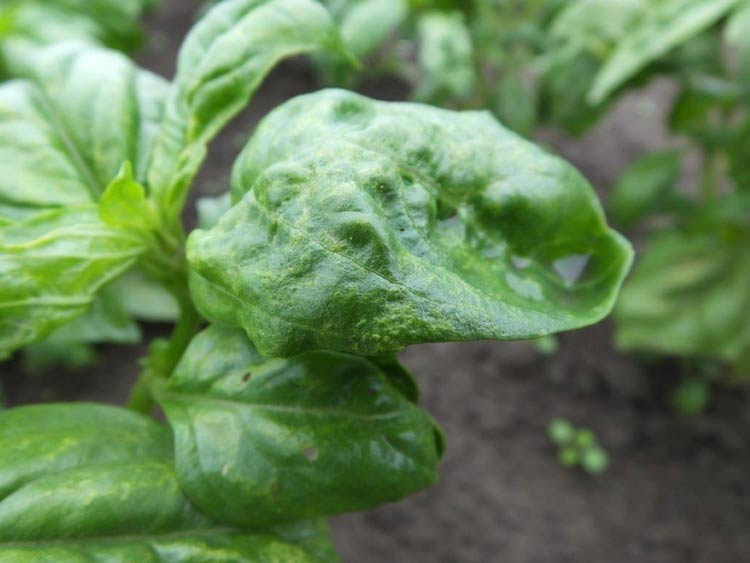
By Jenny Luesby and Antynet Ford
Kenya was the most pest ridden exporter of fresh produce to Europe in Africa and third in the world, after China and Thailand, in the first quarter of 2026, due to rising thrips infestations as tools to tackle the pest have been withdrawn in the country.
Of 248 interceptions into Europe in the first three months of the year due to quarantine pests, 25, or over 10 per cent, were from Kenya, compared with the average across the 42 countries reported of below 6 interceptions each
Quarantine pests are banned from the EU due to the level of food destruction they cause and their rapid spread and growth, with two pests in Kenya having placed it the wrong side of the EU’s border controls.
The first is the False Coddling Moth, native to sub-Saharan Africa and first recorded over a century ago, which had triggered rising rejections and extra inspections for Kenyan fresh produce as it invaded and dominated the country’s flower exports.
However, new programmes to rid flower exports of the moth have delivered some success, with only two of Kenya’s export rejections in the first quarter of 2026 caused by False Coddling Moth in roses, compared with six in the same three months a year earlier.
The big issue for Kenya, however, is thrips, which have risen sharply as the country has moved itself towards organic farming. Globally, less than 1.5 per cent of land is farmed organically, across less than 1 per cent in the USA and Africa, and around 3.7 per cent in Europe.
But Kenya has come under extreme pressure to ban the pest controls used elsewhere in the world, banning several of the world’s main insecticides, one of which, Pyridalyl,was used to control thrips in vegetables and ornamentals.
Thrips are anyway extremely hard to control, burying deep into plants, and featuring frequently in export interceptions. But they are now emerging as a far more severe problem from Kenya, as it continues to engage in horticultural exports, than for its neighbours in East Africa.
From January to March 2026, Uganda recorded six interceptions on thrips and Tanzania only one, while Kenya suffered 17.
Altogether, thrips, predominantly on basil, accounted for over two thirds of Kenya’s export rejections by the European Union in Q1 2026, at 68 per cent.
At present, the government is offering no guidance or programme for farmers to counter thrips with most of the previous controls now removed, seeing it join the world’s most pest-ridden crops.
Of these, the top offender into Europe has been tomatoes and peppers from China affected by mosaic viruses, triggering 33 interceptions in the first three months of 2026, while Thailand grapples with white fly infestations across many of its fresh produce exports.
For Kenya, the ongoing rise in thrips infestations saw its total number of pest-based rejections remain the same in Q1 2026 as in Q1 2025, at 25, despite the fall in FCM.