CBD juice seller builds health by axing worst farmers
4 min read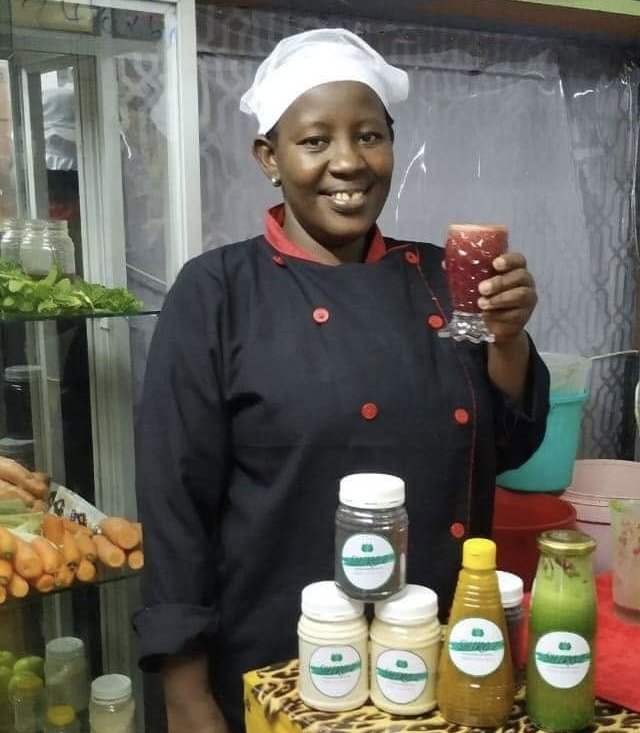
By Antynet Ford
Theresia Wanjiru, a fresh juice vendor in Nairobi’s Central Business District (CBD), has built a health business by guarding her customers from fake and rotten farm supplies, in a journey she said has been a hard one.
Shiro’Z Wellness Hub supplies healthy drinks to customers who are often fighting lifestyle diseases, meaning quality is essential. But “if you are not careful, some suppliers can mess up your business”, she said, in an interview with FarmBizAfrica. Every value addition business is built on the quality of the ingredients it begins with, but this has meant axing and blacklisting farmers who cannot respect that.
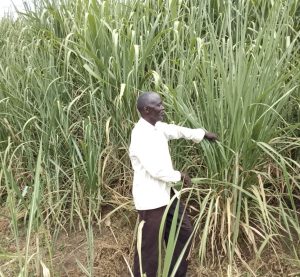
“For example, for Wheat grass, there is a farmer who used to supply it for me as their regular buyer, but one day, due to my overwhelming order, when they made the supply, I realised that it was not wheat grass, but some other type of grass that grows where tap water drains. They had delivered the grass in Marikiti and when I just looked at it I knew it was not what I needed. What I did is I called her and told her that there was some other client who wanted to place an order, she came very fast. When she came, I explained to her that I was her regular customer and it was not fair for her to do what she had just done destroying the supply. I lied that officers were waiting to arrest her, and it was then that she admitted the supply was not Wheat grass,” she said.
“I wanted to get the truth so that when I cut her off from my supply list, she does not say I am unfair. Those are some of the challenges that I go through. Some people really do not care, they can give anything as long as they get money. But my customers’ health is my priority.”
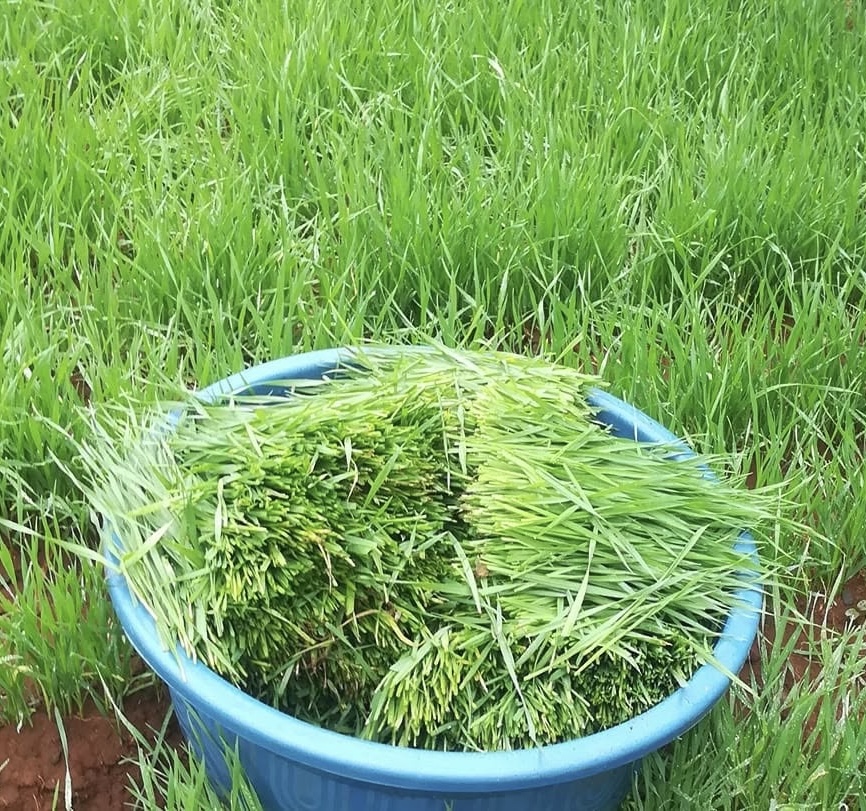
Wanjiru said the wheatgrass incident was not isolated as she has also encountered suppliers selling adulterated crushed products, forcing her to inspect every delivery made by a farmer before making juice for her customers.
“The other challenge is when I order something like Stinging Nestle powder, someone just mixes it with soil and supplies it. Stinging Nestle just grows on the road, so they just pick it, produce the powder without cleaning the soil, and send it as a package. What saves me is that before I give anything to the client, I have to test and see if it is okay, so for the Stinging Nestle, I just put it in water and see dust in it. Others mix Stinging Nettle with other leaves.”
The quality has been so often poor when buying from other farmers that she has been forced to grow as many of the vegetables as she can for herself for the juices. But she has built a deep relationship with two farmers from Murang’a who she has learned to really trust.
“I have identified a few farmers who make supplies for me, though they come from Murang’a and are at Marikiti on Tuesday and Friday only.”
“For them, they pack my order straight from their farm. There is no day they fail to supply. If they lack the produce on a particular week, they will always order from their friends who farm the same. If they also do not come to Nairobi, they share in advance and tell me where to pick up the order for the particular day,” she said.
It’s a win for these farmers too, she said, who consistently supply fresh, genuine products and get guaranteed sales with her as a result, compared with farmers who compromise on quality, get cut off and end up with nobody to sell to.

“There are other vegetables that I plant on my own, like Sukuma Wiki (Kales). I cannot buy kale at the market. It has a lot of pests most of the time and I may end up bringing more problems to my customers than helping them. I also plant my own celery, beetroot, Spinach and Terere, among others. Things like Cucumber, which I have tried planting in vain, I just buy them from the market,” said Theresia.
For her customers, the quality makes a direct difference to health, she said, with an example being cucumber; where the greenness, which is from chlorophyll filled with nutrients, is what helps the person consuming it. She also checks that it does not have pests in it
“In all the things I use, I am very careful with especially cucumber, because some pests hide inside. I have to cut inside and see how it is,” she said.
According to the vendor, another common mistake some farmers make is supplying overripe or damaged fruits to juice vendors under the assumption that the produce will still be processed into juice.
“They refuse to give quality, saying “si yako ni ya Juice’ (Yours is for making Juice). They give you, for example, an Avocado that is broken, has soil getting in… Others do not want to supply fresh fruits and vegetables and want to sell what remains from the previous d day. For me, when I see that, I cut you off from my suppliers list, as you do not meet the quality of what I need,” she said.
“Even honey is a challenge, as getting the best quality from the farm is a big problem, as I do not use sugarcane as a sweetener when making the juices. You find some other juice vendors warm water, mix sugar, and still add it to the sugarcane juice that they are making, calling it juice when the customer comes. I make it as you see. It is very few people who place their orders and tell me to prepare in advance for them to just pick and go,” she said.