Naivas recruiting farmer aggregators to meet surging fruit demand
6 min read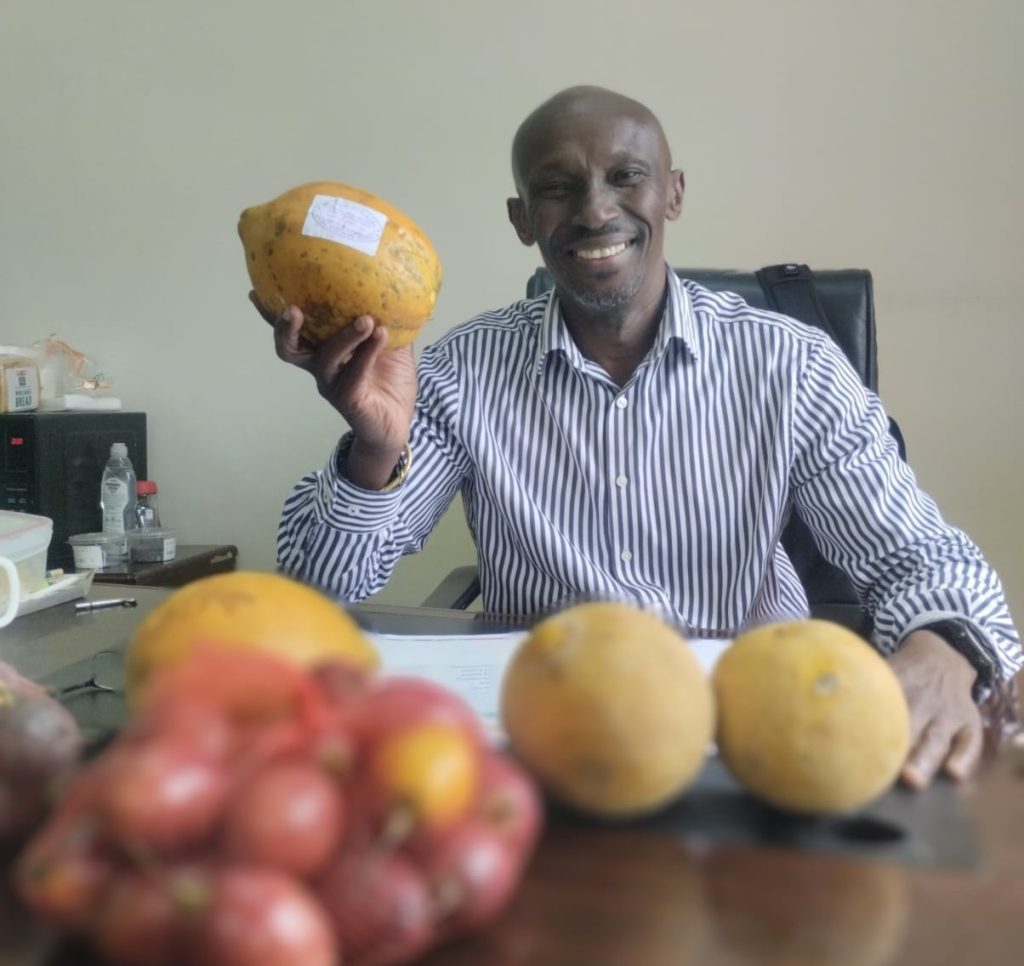
By Antynet Ford
Naivas is recruiting aggregating farmers as suppliers to meet its soaring fruit demand, as its fastest growing fresh food category, with a solution that cuts out brokers, supplies graded fruit to the supermarket chain, and delivers farmers better prices, immediate cash payment, and farmgate collection.
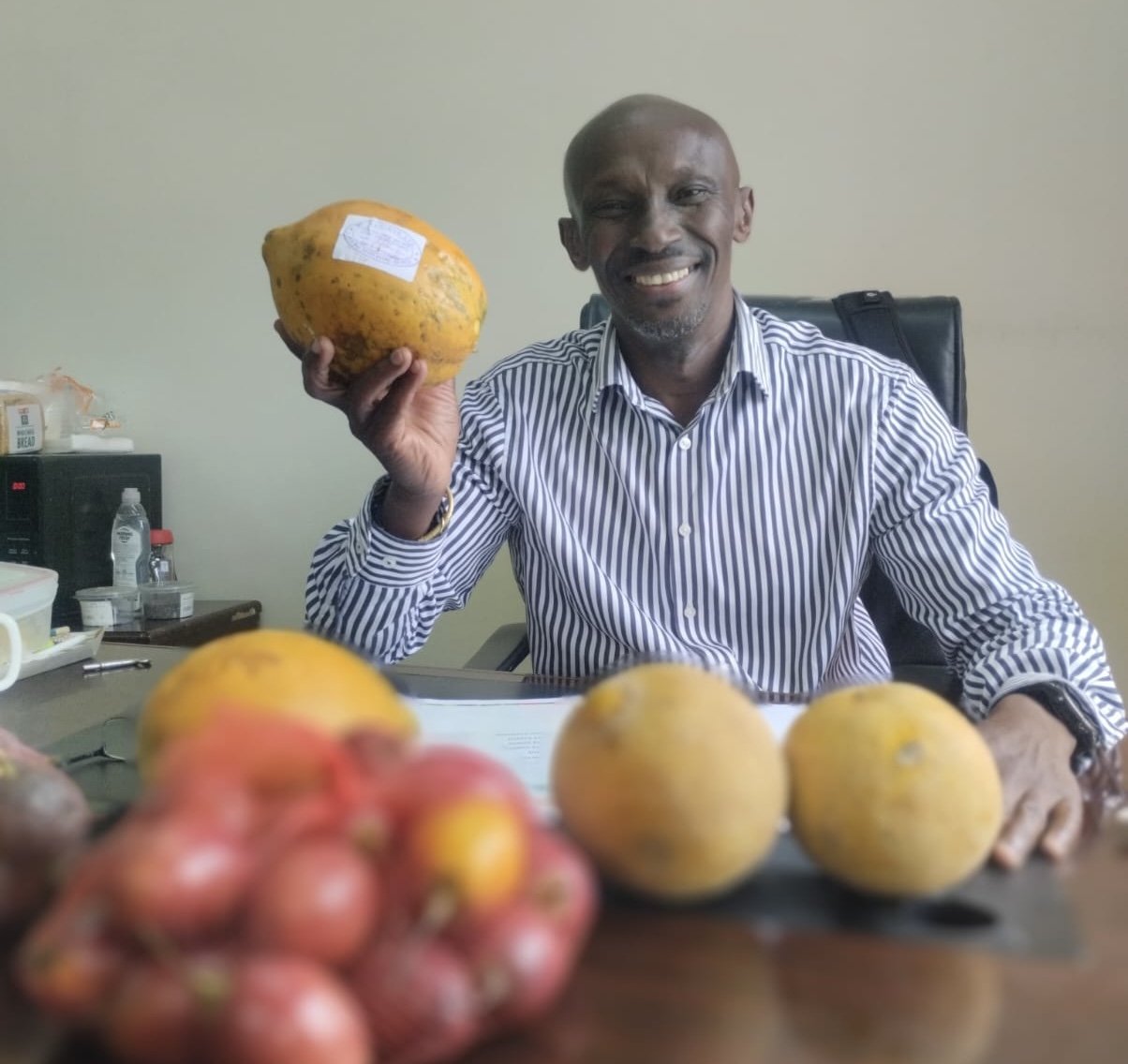
In an exclusive interview with FarmbizAfrica, Bernard Kibaru, the Senior Commercial Manager-Fresh for Kenya’s largest supermarket chain, Naivas, said the chain is now aggregating fruits at its central location hub from farms across the country, before transporting them to each store.
“We have invested in a distribution system and the people getting the produce for us, and we know the farmer will gain a lot from it, as we are eliminating the brokers and other people who grab everything in the agriculture value chain,” he said.
“We deal with two types of suppliers at Naivas Fresh. We have farmers and aggregators. Farmers are those who have the capability to farm and deliver to us. They are not many because many want to deal at the farmgate. The other reason we deal with aggregators is because the farmer does not want you to come and start selecting the grade you want as they want someone to come pick everything and sort it out for themselves. For us, we are unable to do that and that is why we go through an aggregator. They go get everything from the buyer, do the selection, and what they remain with, they sell in the market,” said Bernard.
“With the aggregation, we will be able to work with more farmers, as we have just opened another warehouse next to the first to increase capacity.,” he said.
“The aggregation is a game changer for farmers, especially those unable to do the transportation from the farm, who want to sell everything that they have harvested, as they may not have the capability to do the grading,” he said.
Grading fruits requires farmers to select the very best quality pieces for the supermarket, of the best colour, shape, sweetness, and ripeness. But it requires some expertise.
Many farmers also want to be paid in cash immediately on supplying fruits, whereas Naivas pays after 14 days. By contrast, the aggregators pay smallholder farmers in cash immediately on collecting the produce, said Berbard.
In this, Naivas aggregators are different from brokers, he said, as they commit their own money to purchasing from the farmers upfront, cover the transport costs themselves, and grade the fruits themselves on arrival at the warehouse in Nairobi.
“We still have a few farmers in some of the produce, like Pawpaw, who have decided that because they know the grade we want, they will sell directly to us,” he said.
Many of the aggregators, too, are also farmers. working for Naivas, but also farming and, every month, supplying half of the produce needs themselves from their own farms, say twenty tonnes as an aggregator farmer, and 20 tonnes aggregated from other farmers.
“Yes, there is an arrangement where aggregators are also farmers.”
It’s a model that has helped reduce the number of times where they expect supply and a farmer fails to deliver. It still happens though, as sometimes market brokers go ahead of the Naivas aggregators and buy the produce at the farm at a cheaper price, and, because they are taking the whole of the produce, farmers end up selling it at a throwaway price, because they struggled to get a buyer.
“This Pawpaw farmer was very upset, just to give you an example, because after we talked and agreed on the price that she would supply them to us directly, and not to the aggregators, last week, while I was in the process of listing her as a Pawpaw supplier, she sent me a video of people who went to her farm back in Baringo and had bought all the fruits at Sh35.”
“For her, what made her upset is that the people at home were happy that they finally got someone buying all the fruits, while they did not know the deal they were losing on us, as we were buying a fruit at almost triple the price the brokers were buying at,” he said.
“We had already agreed, because Naivas was offering a much better price. She was so upset as she was not there, and her Dad thought that it was good for the people who were buying all the fruits. And that is what many farmers are facing.”
“For her, she was to deliver 1.2 tonnes here every week, but see now what she lost because of the brokers. From the prices we had agreed with her, we only charge Sh10 per Kilogram for transportation because we were the ones to get it from the farm,” he said.
When deliveries fail, the retailer is forced to rearrange and send case fail orders (an order that is not 100 per cent) even as they call on other suppliers to add some extra supply.
“For products that can be put on buffer, like watermelon, we make sure we have a one-day buffer. But some products cannot have the same, because they are highly perishable.”
“You have to be a consistent farmer, because we cannot be listing farmers every week. It will make administrative work a nightmare. We list when we are sure you will do it continuously and be consistent as you meet the standards. If not, we direct you to the aggregator, because you might be a one off.”
In all, quality is critical.
“Tomatoes delivered today will be at the stores tomorrow, so I do not need it too ripe or red, because it will go bad quickly. Taste is also a big thing for fruits like watermelon, pixie, mangoes etc. We literally do the tasting, and also continue doing it as it stays at the store, as we also check the sweetness. For Avocado, we look at the dry matter, where we take 24 as minimum for it to be good,” he said.
The makes not grading their products at the farm level into the biggest obstacle for smallholder farmers.
“If they were to do that, they would be able to access Naivas directly. However, I do not blame them, because aggregators buy everything from the farm, take it to the market, and have losses, where farmers are not losing anything. They have now become clever and are not allowing anyone to leave the farm with a lorry of their produce without paying them there and then.”
“So I would say, it is not a mistake, because it is taking care because they also need cash flow. Most of them do not want to wait for 14 days, so they would rather sell to the aggregator and they want to sell all their products. They want assurance that while the aggregator is getting everything, they will still be there the next round to do it.”
“But if you are producing in large quantities, dealing with Naivas directly is the best.”
Farmers who evolve into aggregators gain extra value too. “They can also do it as a group, because we hear there are groups, but it is only by names, as people are working individually,” he said.
“Innovations are being put together for a better working relationship between Naivas and farmers in the face of climate change, and in taking care of post-harvest loses, so that our distribution system will be even bigger and greater,” said Bernard.
“But just telling the farmers that they do not need to have a transport system for them to supply us helps. We shall never tell any farmer to go round the stores to distribute their produce. We have that here and do it ourselves.”