El Niño threatens food production in 18 counties
3 min read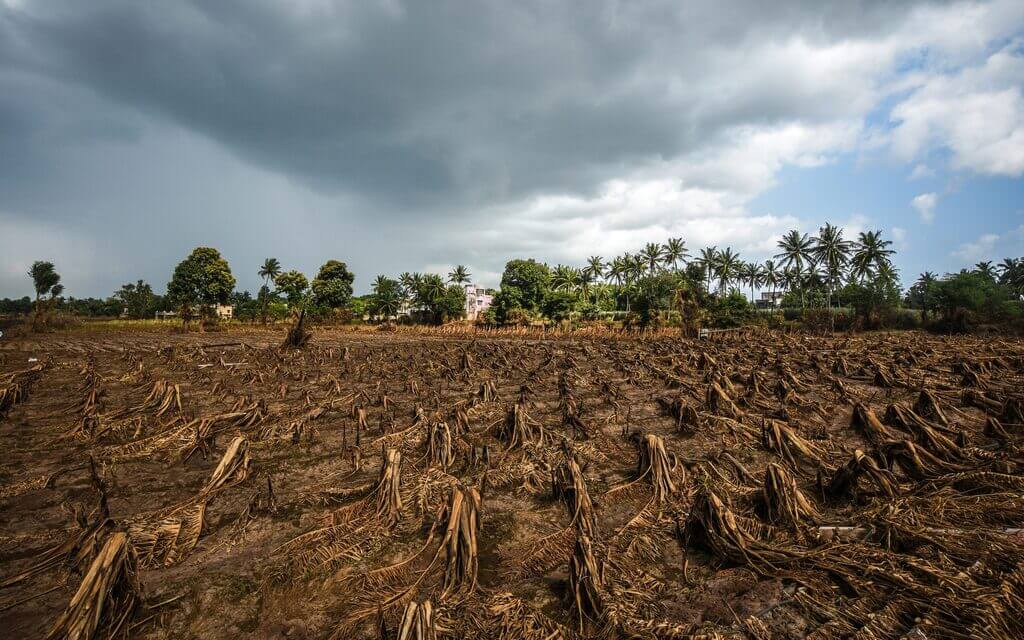
By Antynet Ford
Farmers in 18 counties in the Coastal, Lake Basin, Rift Valley and North Eastern regions are at high risk of facing increased risks of floods, landslides, disease outbreaks, livestock losses and food insecurity on the expected heavy El Niño rains in the October, November and December season.
A forecast by the Kenya Meteorological Service Authority (KMSA) indicates 81 per cent probability of the normal short rain season delivering above average rain fall, with strong indications of an El Niño event, and a 97 per cent chance its effects will continue into early next year.
“The National Disaster Operations Centre (NDOC) places counties in the Coastal, Lake Basin, Rift Valley and North Eastern regions among the areas facing the highest level of vulnerability,” said the Ministry of Interior and National Administration in an El Niño update issued this week.
“Nairobi, Mombasa and Kisumu have also been singled out as high-risk urban centres,” it said.
Most of these counties will experience increased flooding. But for some, the El Niño will worsen the current drought.
“In the Coast Region, Tana River, Kilifi, Lamu, Mombasa and Kwale may experience flooding, storm surges, coastal erosion and infrastructure damages. Residents of some areas in the region may be displaced by floods.”
“In the Lake Basin region, Kisumu, Busia, Siaya, Homa Bay and Migori are expected to experience flooding, landslides, disease outbreaks and cases of displacements,” said the ministry.
The cities at risk also face extra flooding.
“Risks identified for the urban centres of Nairobi, Mombasa, Kisumu include flooding, drainage blockages, infrastructure strain and service disruptions,” it said.
But for the north, the season may bring worsening drought.
“In the Rift Valley Region, counties such as Turkana, Baringo, West Pokot and Narok may experience drought, flash floods, landslides, livestock losses and food insecurity “
“The North Eastern Region counties of Garissa, Wajir and Mandera may experience drought, water scarcity, livestock losses, poor pasture and food insecurity,” the ministry reported.
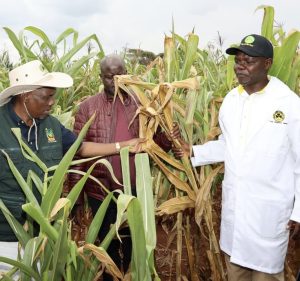
The last El Niño, in the 2023 short-rains season, affected 38 counties and destroyed over 25,000 acres of farmland, according to the Kenya Meteorological Department, which reported ¾ million households affected, across thousands of livestock deaths, crops lost, and families displaced.
The 2026 El Niño has been forecast globally to be one of the most severe on record, and possibly as strong in Kenya as the 1997-1998 and 2015 to 2016 El Niños.
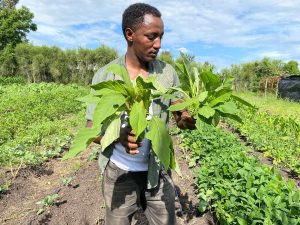
As farmers now prepare for the season, the main risks for crop farmers are waterlogged fields, a surge in fungal and bacterial diseases, and depleted soils, with the best protection being to dig ditches that can drain water away more quickly.
Livestock can also lose grazing areas and fodder to flooding, prompting the Kenya Veterinary Association (KVA) to call for accelerated preparations, following the El Niño losses in 2023–2024.
“For livestock-dependent households, these impacts translated into reduced incomes, food insecurity and prolonged recovery. These experiences remind us that preparedness is considerably less costly than emergency response after disasters have already occurred,” said KVA President Kevin Osore.
The FAO has advised livestock farmers to move animals, feed, equipment and medicines before the flooding, with farmers advised to get livestock to the areas they know are least likely to flood, before the rains begin and movement becomes harder.