South Africa FMD ban accelerates Kenyan livestock breeding amid shortage
4 min read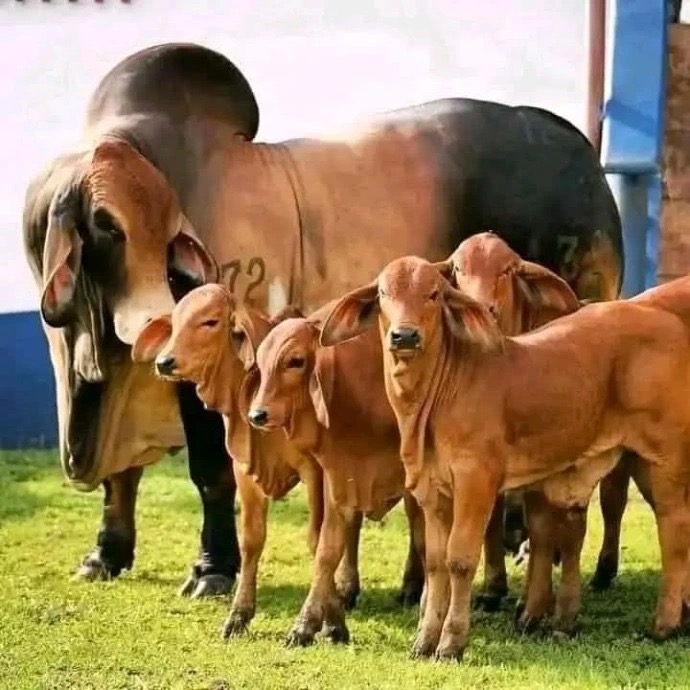
By Antynet Ford and Wycliffe Musalia
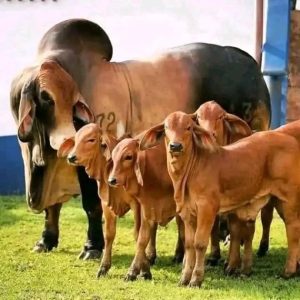
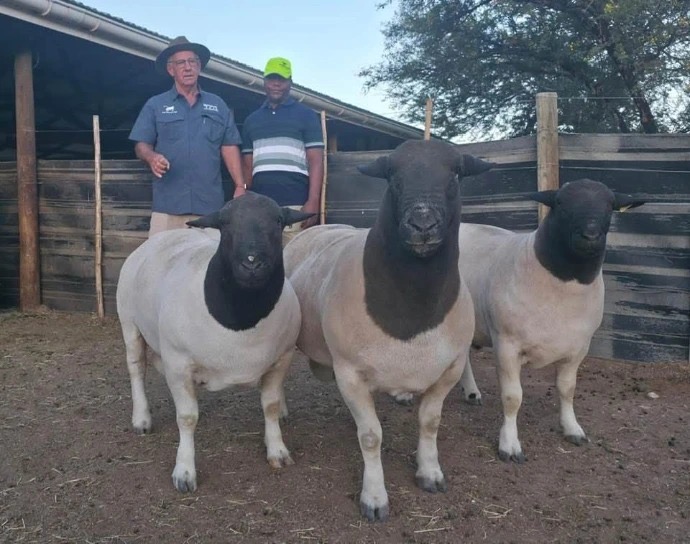
The ban on livestock imports from South Africa due to its Foot and Mouth Disease (FMD) outbreak has forced livestock farmers’ co-operative Wafugaji Quality Meat (WQM) to switch to importing Brahman, Braford and Dorpers from Brazil, Argentina, Zimbabwe, and Namibia and accelerate local breeding.
WQM Chairman and founder Henry Kioko said the ban from May this year had disrupted their supply of improved breeding cattle, sheep and goats, leaving farmers who depend on them unable to replace aging animals as some enter the mating cycle.
In an interview with FarmBizAfrica, Henry said prices had leapt on the disruption, moving the cooperative to a twin strategy of accelerating the breeding of local, superior show animals, and of importing superior breeds from other countries – where South Africa used to be the main source.
“We mostly prefer the Brahman animals for meat, but we normally bring in what the client wants. The animals go to the buyers’ farms, which become our breeders here in Kenya; that is how we operate.”
In choosing breading stock: “Apart from the high rates of milk production, high-quality meat, and fast growth rate, we also look at the international market trends for beef consumers, where Brahman and Braford, among others, are leading,” said Henry.
“We also interbreed Brahman and Friesian. When the dairy animals stop producing milk, you cross it with Brahman, so that is the way you can start producing meat animals,” he said.
The co-operative is currently looking for partners and investors to establish its own breeding and aggregation centres to make more of the livestock breeds available to Kenyan farmers. “It requires partners and a lot of funding, but it is in progress,” said Henry.
“So what will happen, in future, is we may not be going to South Africa, but buying here locally from the breeding farmers. We have created an industry of ‘animal show’. This is what had also grown the industry in South Africa,” he said.
With an average of 1500 animals a year imported in the last 4-5 years, the number of farmers importing the breeds has grown. WQM has nurtured and recruited new breeders, most of them women, with the youth also gaining interest in livestock breeding.
“We have grown the commercial production of genetics in Kenya, and given a lot of training: we hold two or three training sessions where we bring global experts to help farmers learn more about breeding the best-quality livestock.”
“The farmers have had some good exposure from the training and farm visits, where they can visit farms doing breeding and learn solutions to the problems they are facing, and also get help with farm layouts.”
“It is from this that the Wafugaji Quality Meat Cooperative was formed, and we have been able to organise the first genetics festival happening next month,” he said.
In this, feeding affects the quality of an animal, said Henry, meaning farmers need to do better than the traditional management of feeds, where, when there is rain, the livestock are great, but when there is drought, they start dying from starvation.
For this reason, WQM also trains farmers on the feeds they need to grow.
“We tell them to invest in drought-resistant fodder and harvest water appropriately too. By the time the rain seasons end, they have harvested enough hay for their animals and have water too.”
“The genetics of the animals are less susceptible to drought because, where they are coming from in South Africa, most of the land there is dry and almost desert-like, and they have better animals. So it is just a farmer planning well for the dry season. That is why they perform so well here, because they have water and feed, unlike where they were brought from,” he said.
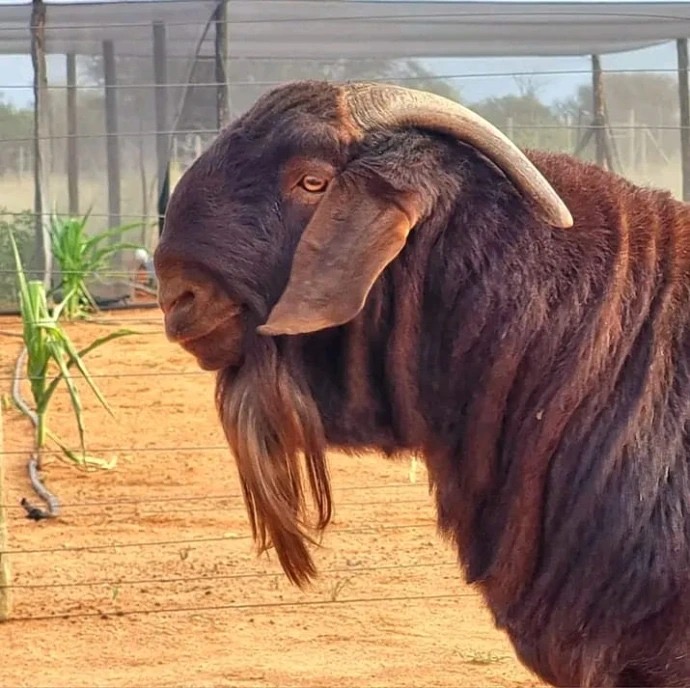
“The process of importing from South Africa is simple because I represent breeders in the West and East of Africa. So, what I normally do is take orders from farmers, then process the orders and deliver the animals according to each farmer’s specification, say, Kalahari red bulls, goats, etc. We identify the animals with the South African breeders, and if the farmers are satisfied, they make payments then we import the animals and distribute them to those who want to import,” he said.
“We are also trying to introduce Assisted Reproductive Technology (ART). It is artificial insemination and embryo transfer which we also hope to showcase at the coming expo in September,” he said.
“We also now have options like Brazil, Argentina, Zimbabwe, and Namibia, from which we shall be importing the superior breeds. We shall be going to these countries immediately after the breeding expo.”
Meantime, they are working at meeting international standards locally.
“If you ask a farmer who rears dopers, for example, he knows the standards of a doper ram or ewe. So, they know which animal is good for mating, and which one is for meat. But, for us, we are only dealing with breeding animals,” he said.