Mumias farmers find sweet returns in soya after abandoning sugarcane
9 min read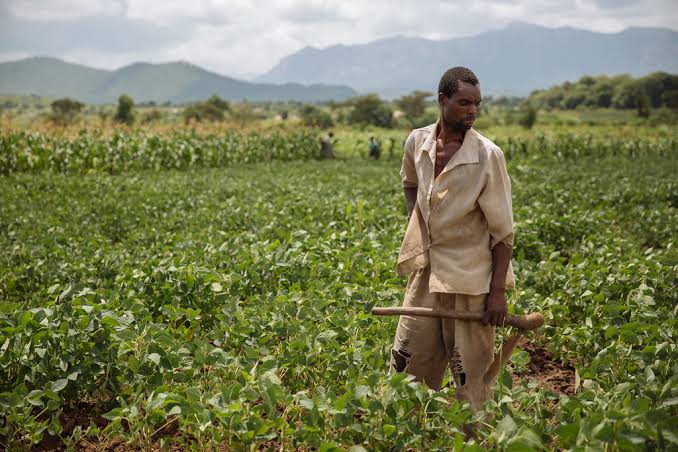
Farmers who have traditionally grown sugarcane are finding sweeter days replacing cane with maize and Soya beans in a move boosting household food security and income.
Since the set up of the once giant miller in Kenya in 1970s, many farmers have relied on it as a sole source for survival by cultivating and delivering the crop through the famous out grower scheme. When the sugar firm was established as is always the case, the management acquired several acres of land and grew on it the sugarcane meant to be processed by the factory.
The company owned plantations were known as nucleus. As the demand for more sugar grew, the plantations could not sustain the needed raw material by the company creating a window of opportunity for farmers as the company sought alternatives. This is how most of the farmers got to cane cultivation.
The venture was relief to the farmers and many got into the out grower scheme through the support from the company. The company provided vital farm inputs like seedlings, fertilizer, transportation and land preparation services. In return the farmers were supposed to plant, weed and cater for the canes until they were mature for harvesting. By so doing, the farmers and the company shared the costs.
As time went by, the supply of sugarcane was heavily shifting to the out grower small scale farmers as evident according to 2006 statistics from Kenya bureau standards which noted that the out growers by then made up to 82 percent of the cane suppliers in the country.
The arrangement has worked well among the two parties until recently when the farmers started feeling the wrath of a looted company by the top brass. Hagai Saka an out grower farmer who has worked with the company for 15 years explained his predicament. At first, his relationship with the company was smooth. “We supplied the cane and received our payment within 3-4 weeks. We even received bonus after three months of the initial payment. Everything was transparent and many farmers managed to get income to educate their children and invest in other developmental activities,” noted Hagai.
The sweet tale of returns is popular among many farmers who were involved in cane cultivation for the last three decades. In fact a story is told of farmers getting immense benefits to a point of going for holidays. “Every farmer who has ever felt the benefit of the cane in the region must have gotten a chance to travel to the Kenyan coast to enjoy life after being paid,” noted Jimmy Ajwang a resident from Koyonzo village in Mumias. In fact so widespread is the theory about Coastal visits by the cane farmers that some people in the area relate it to why subsequently most locals in the area adopted Islam.
But the sweet days would be numbered with the relationship with millers coming unexpectedly. This shook most farmers as they entirely depended on the cash crop for their survival. “We never saw this coming. It was gradual and we were blindfolded largely by the local politics and leaders,” noted Hagai. “First we witnessed several policy changes with the quick top management changes. This turn of events were ushered in gradually about five years ago and every new CEO that came into the helm of the company was keen at changing the status quo and this included, how the company interacted with the out-grower farmers,” added Hagai.
Although, there is a wide spread mentality among most top brass management that the bulk of the farmers were ignorant, Hagai demystified this notion explaining that when things were starting to take a new twist, he reduced his acreage of sugar cane plantation to 3 and the remaining 9 acres allocated it to maize and Napier grass on a ratio of 8 to 1 respectively. “I noticed some fishiness and lack of transparency after harvesting my sugarcane. Normally after company deductions, I would remain with between 60-85 percent of the payout amount from my harvest. However, things started going bizarre for the veteran farmer.
“That time after registering a very good harvest, I expected similar payouts as the previous ones. However, the deductions almost exceeded my payout cash! Out of the total gross earnings of about Sh300,000 I was left with a net of only Sh32400.” Among other deductions that were slapped on Hagai included Sh5400 for cane transportation per kilometer despite his farm being located less than 9kilometere from the factory. Other bizarre costs included an extra Sh12000 seed cane for gapping although the farmer never ordered for any among others. “I was perturbed and tried to follow up with the management which kept on tossing me from one office to another and I eventually gave up after hearing similar ordeals from some of my fellow cane farmers,” explained the distraught farmer.
The trend of farmer’s exploitation continued and even adopted a higher a gear in the subsequent years. In fact Hagai noted that apart from ‘tonnage stealing’ the firm adopted open day robbery when they started delaying the meager pay to the farmers who had supplied their canes for even over one year. According to many sugar cane farmers, they never determined or ascertained the tonnage of their harvested canes.
They had lobbied for implementation of on farm mobile weighbridge in order to enforce transparency but the Mumias Sugar management had objected it. Consequently, farmers were left at the mercy of the company to determine the weight of their canes which in most cases, the farmers lost out since they were only served with documents detailing the tonnage two to three weeks after harvesting.
As if this exploitation was not enough, the farmers had to now bear with late payments of their dues. “How do you expect a farmer to make ends meet when you delay with his money for over one year, questioned Asikoyo Emmanuel a distraught sugarcane farmer from Ingusi village in South Wanga division. “Many farmers including I have resorted to maize farming after uprooting sugar cane. We can no longer withstand these economic injustices,” he added.
According to Asikoyo, the tribulations that sugar cane farmer have suffered in the region forced them into securing alternatives that are proving to be worthwhile. By the look of things, the region is gradually setting itself free from the bondage of hunger. “We rely heavily maize as our staple food but for long its supply has been hampered mainly due to the fact that many farm lands were under sugarcane. This always kept our region in a vicious cycle of poverty and hunger. We ended up relying on supplies from Kitale and Uganda to sustain us. However, this supply was a bit costly and only a few locals afforded it leaving the majority to face the wrath of hunger,” explained Asikoyo. Currently, with most farmers doing maize farming the price of a 2 kg is about Ksh40 when in previous years the same would cost over Ksh70.
Other agro based development organization like Center for Tropical Agriculture (CIAT) and One Acre Fund have come in handy to farmers plight bringing new farming skills, inputs and knowledge. A case in point is the now thriving Soya beans group in the region that has a membership of now over 1000.
Organized under Mumias District Federation of Soya beans Farmers group (MUDESOF), the budding farmers were first introduced to the lucrative crop in 2006 by research and development projects under CIAT. Stephen Kasamani the leader of the group noted that the crop is also helping in the fixation of nitrogen in their farms and some farmers are now adopting crop rotation to maximize returns from its ability to fix nitrogen in the soil.
Read More:
Fortune beckons for Kirinyaga herbs farmer after abandoning dairy
Youth earns Sh150,000 a season from arrowroot farming after abandoning maize production
Avocado farmer earning Sh70,000 per harvest after abandoning coffee production
In the long rain periods, some farmers intercrop the crop with maize but in the subsequent shorter rain period, most farmers opt for Soya hence the crop has positioned itself as a preferred and profitable choice for rotational farming. Rotating the crop fixes the poor soils and many maize farmers who plant maize after harvesting Soya are registering about 50 percent increase in yields. Iddi Makokha is one of the group member who has mastered the art rotating Soya bean with maize, a practice that the father of five have never regretted since its’ adoption.
Besides its commercial value, Soya is also rich nutritionally. Soybean has 40 per cent protein and 20 per cent oil. As a high protein crop, it’s emerging as a crop for curbing malnutrition, particularly among women and children in Africa. It’s also one of the legumes being fronted for use in green bio-fuel energy industry. In the US, it has emerged as a front-running crop in the bio-fuel industry.
Are you a farmer looking to grow the most profitable crop on your farm, with or without irrigation. Use FarmBizAfrica’s HarvestMAX on https://harvestmax.farmbizapps.com and it will tell you in less than a minute what the highest income-earning crops are for your weather, soil type and this season, based on your seasonal weather forecast. Don’t make weather losses ever again, and more than triple your income.