
Strawberry grower replaces fertiliser with power-packed cured manure
By Antynet Ford
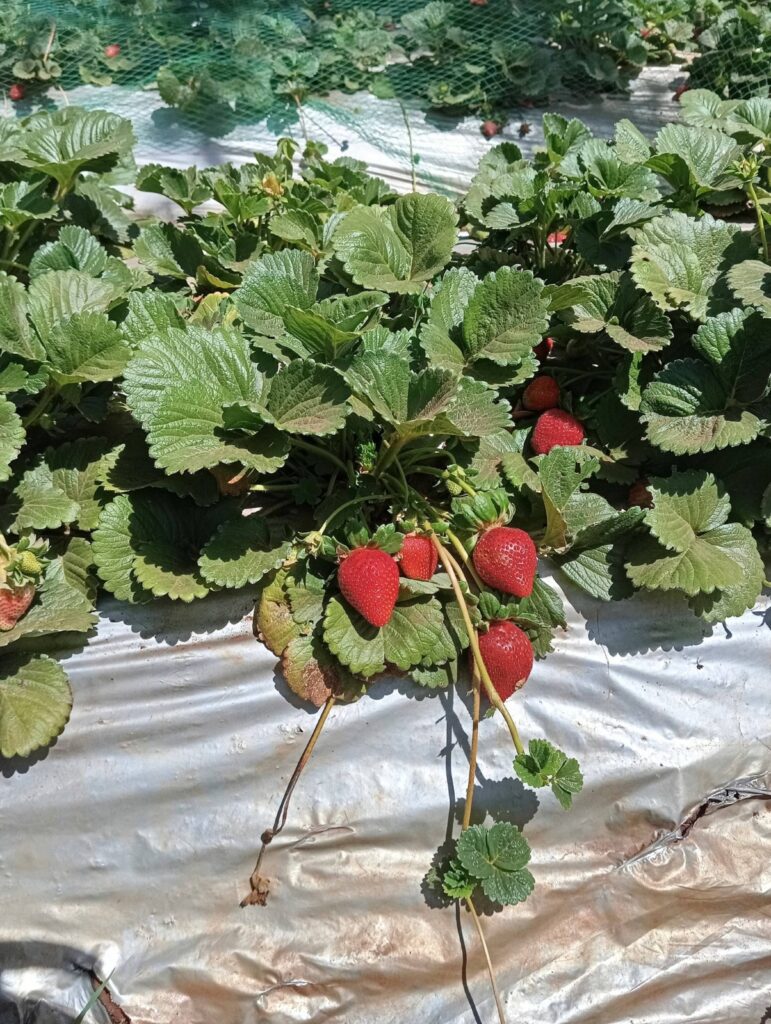
Strawberry farmer Onesmus Muthuri has doubled fruit yields on his 1/8th acre by using cured manure to replace fertiliser and shield his crops from infestations.
As a grower of organic strawberries, Onesmus can’t keep up with the demand for his fruit, pushing him to find new ways to increase his yields.
“I am currently supplying just 12 per cent of what my clients have already pre ordered, by selling the fruits from 1/8th acre and growing them on vertical towers,” he said.
The towers mean he can grow more plants in the space.
“I have an inventory of 8,000 strawberry plants, which is equivalent to almost 1/2 acre of a farmer planting on flat raised beds.”
But he has also slashed his production costs and increased his fruiting per plant at his Tawa Gardens fruit farm in Uthiru by turning manure curing into a science.
“I attribute my yield to the scientific application of targeted nutrients at different growth stages of my crops,” he said. “Since I turned to cured manure and after introducing a precision-based feeding regime, the nutrition costs have reduced by almost 80 per cent.”
“This has impacted the general production costs. For example, I had six causal laborers at the farm and I now have 1 permanent and 1 casual…Things are now done systematically and losses are negligible.”
“The biggest challenge before I turned to cured manure was every agronomist that came to the farm said something different that the crop needed. I will say, some sort of campaign for the companies they work for to get farmers to purchase their products. While I was consulting them, I was using lots of money to even get the recommended fertiliser, for example, but the produce were very low.”
“Low production was stressful for me and I had to look for options on how to improve the produce and that is when we turned to organic farming in 2019 and started the processes of making manure to use on the farm,” he said.
“It was not easy to transition as there was only a few ways of testing to ensure that I got the right nutrients for the crops. In September 2019, we were experimenting with organic farming. By December of the same year, we decided on strawberries. Vegetables were high effort, low payoff. Strawberries were rare and demanded and worth the risk,” he said.
“For starters we use red soil with animal manure”, but, said Onesmus, “it was not until one year ago that from the curing of the manure, I have been able to make profit, and plan to increase my production and supply 80 percent of my market demand.”
“Like many farmers, I never knew that untreated manure, for example chicken waste, harmed crops. I thought that the more I applied it on my farm, the more my crops would produce. But what happened was the leaves of my crops would turn yellow, the roots would rot and growth was sometimes stunted. That is when I got interested to learn what I was doing wrong and what I must get right to turn around my strawberry yields in order to meet my market demand and be consistent in supply.”
Onasmus now has three stages in curing his manure. The first stage he calls curating, where he works out the likely nutrients in the original animal manure. He sometimes even tests samples at KALRO labs for extra guidance, but has learnt that what the animals are eating, and the amount of sunlight and air they are getting affects the nutrients in the manure.
“In the curating stage, I select the type of manure based on the nutrient concentrate and biomass for carbon. Also, different animals’ and birds’ water contains alternating percentages of nutrients, trace elements and hormones. The choice of water plays the key role in nutrients conversion.”
“What farmers need to know is that the same manure that I have cured to apply to my strawberry is not the same that you can apply to other crops. Every crop has a different need the manure curing is very different for each crop. But even if I cure for a different crop, I will still test first before getting assurance that it shall work well for them. The thing is getting to understand what the crop lacks and what should be supplemented in the materials being used to make the manure and ensure that the nutrients and microbes are well balanced,” he said.
“The second stage is exposing the manure to temperature above 50°C to kill destructive pathogens in stages, and lastly extraction of the well composted manure and preparing to steep it with the aim of producing biological concentrated fertiliser or bio-stimulant.”.
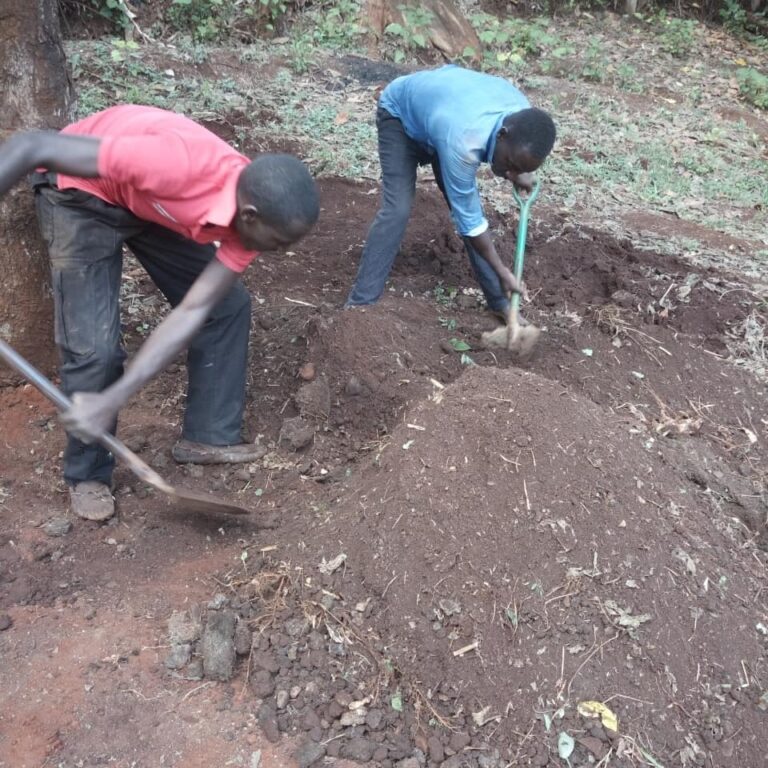
Onesmus manages the heating by putting the manure in a soak pit covered with a black polythene sheet. “Under sunny weather, this pushes temperature to between 50°C – 65°C,” he said.
“The steeped manure produces active bacteria that suppress disease and harmful pathogens,” said Onesmus.
“Curing manure takes up to three months. That is when I can say that the manure is safe for use on the crops and will perform well without harm.”
Get your farming news by email.
Free. Market prices, crop news and farmer opportunities, straight to your inbox.