Nakuru turkey farmer designs coops and medicine plan to stop chick deaths
3 min read
By MaryAnne Musilo
When one of his young turkeys died just two months into rearing, Nakuru farmer Paul Kamau traced the cause to contaminated drinking water and the wrong feed, prompting a complete change in the way he farmed.
“I lost one poult after two months. I went to the agrovet and he asked if I had vaccinated the chicks,” said Paul. He hadn’t. But the bigger problem turned out to be the turkeys’ food and water.
“Hygiene was the issue, chicks used to poo in their drinking water, contaminating everything,” he said.
The feed he had chosen also lacked coccidiostat, the drug used to control coccidiosis, a common and deadly disease in Kenyan poultry caused by parasites.
“The feed formulation was completely wrong, hence sudden death due to coccidiosis and feed,” said Paul.
Coccidiosis is responsible for up to 40 per cent of smallholders’ poultry deaths, according to the Kenya Agricultural and Livestock Research Organisation (KALRO) and Egerton University. It spreads through contaminated droppings in wet coops, affecting over 60 per cent of small-scale poultry farms in Nakuru, Nyeri, and Kakamega, according to the Directorate of Veterinary Services, most often during the long rains.
To stop the disease, Paul started giving his birds apple cider vinegar mixed with amprolium, which kills off the coccidiosis parasite. It was part of a new health routine that has seen them gain steady weight.
He vaccinated his birds, which cost him Sh4,000 and started using antibiotics every two months, and monthly during cold weather, when they were young..
“Vaccines prevent severe illness during outbreaks and the antibiotics fight off diseases if they strike,” he said.

For his chicks, he uses enrofloxacin to prevent fowl typhoid, metronidazole and vitamins for blackhead disease, tetracycline for chronic respiratory infections, and fenbendazole for intestinal worms. He stops the antibiotics when they reach maturity.
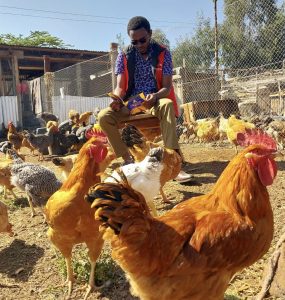
“Housing also matters,” he said. “Raising turkeys indoors means better control over feed, water, and hygiene. When they were free-range, they could eat anything, and water contamination happened often.”
He set up clean water flows and enclosed, shared coops, with floors that allow any droppings to fall through, and started hanging blankets around them to block the wind.
“During windy, cold seasons, chicks and mature turkeys often fell ill with flu,” he said.
Related News:
Turkeys hatch for guinea fowls
Farmer cuts niche in turkey farming
Muranga farmer finds lucrative opportunity in turkey farming
He also changed his feed mix to strengthen his chicks.
“Initially I use 70% chick mash and 30% grower mash for the first month, then 50/50 in month two, and by month three I use 75% grower mash with 25% layer mash,” he said.
Many farmers avoid preventative measures, he said, but when disease strikes, birds have no protection and can die almost instantly.
Are you a farmer looking to grow the most profitable crop on your farm, with or without irrigation. Use FarmBizAfrica’s HarvestMAX on https://harvestmax.farmbizapps.com and it will tell you in less than a minute what the highest income-earning crops are for your weather, soil type and this season, based on your seasonal weather forecast. Don’t make weather losses ever again, and more than triple your income.