Farmers find private-sector success in pyrethrum on Nakuru stimulus
4 min read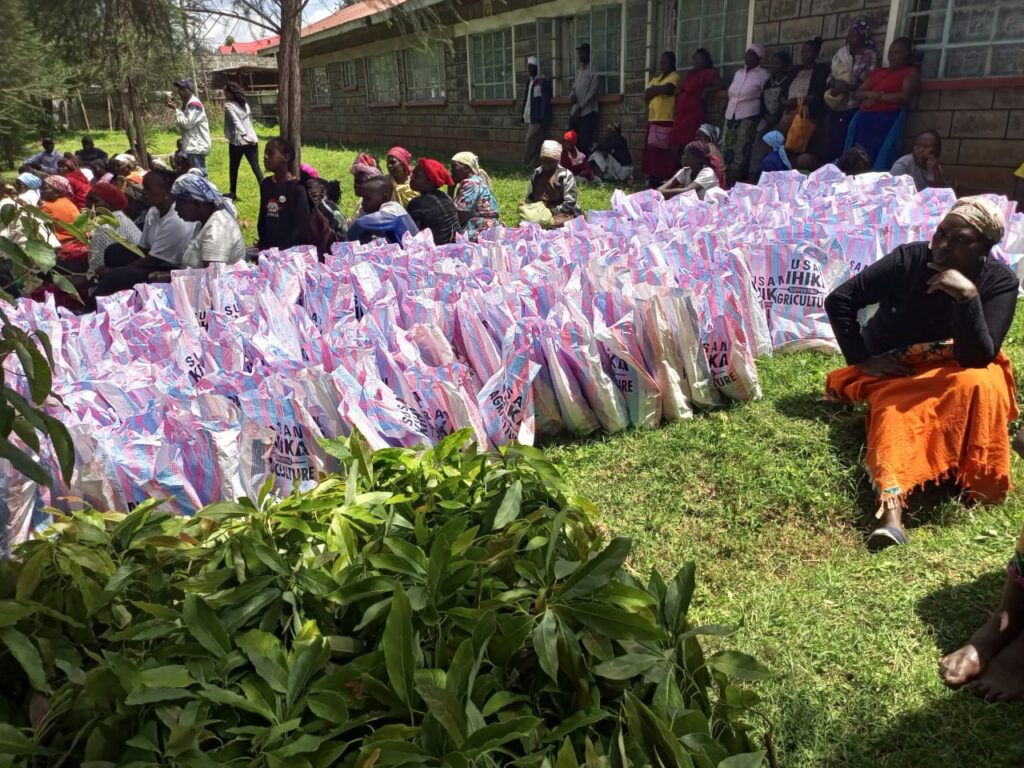
By Frank Ndungu
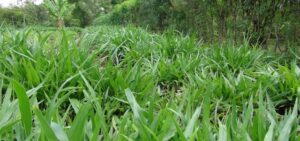
Joyce Taiget from Kiringet in Molo is now earning over Sh100,000 a month from pyrethrum after starting with free splits issued by Nakuru County in 2023 and maximising her yields with pruning and manure
“I was given 22,000 splits which was enough to be planted in one acre,” said Joyce, who has found a ready, private-sector market for all she can produce. “I sell my pyrethrum to Kentegra Pyrethrum Company, which has a collection centre in Kerengeti town where I deliver every two weeks.”
With the county issuing thousands more splits in 2025 to farmers who register at their local agricultural office, Joyce is one of hundreds of farmers who have already re-entered the crop and are now thriving.
“The buyers are available and much more reliable,” said Joyce, who is earning a double income, selling the flowers to Kentegra, and selling her neighbours planting materials at Sh3 per split..
“I realised that most of the farmers are struggling to get the splits, so I decided to be buying the seeds from agrovets and sowing in the nursery bed,” she said.
Her preferred variety, P4, is known for its high pyrethrin content and durability. “P4 variety is the best as per the buyers’ regulations who demand high pyrethrin content. P4 also is more durable in production since it lasts for more than four years,” she explained.
Nakuru County, with its hot and humid climate and well-distributed rainfall, has proven ideal for reviving pyrethrum. According to Kiamaina Ward agricultural officer Abigael Keter, “Initially, farmers in Kiamaina were planting pyrethrum, but later uprooted all the plantations due to delayed, unpaid, and cheap payments from the Pyrethrum Board.”
Now, under Governor Susan Kihika, Nakuru County has launched a wide-scale stimulus package. “Our big aim as county government is to liberate pyrethrum farming in Nakuru, which died as a result of failure of farmers to be paid by the Pyrethrum Board some years back,” Governor Kihika said during a live interview on April 1.
Since 2022, the county has distributed free pyrethrum splits, Hass avocado seedlings, and maize seeds to farmers across all wards. “We are training the farmers before they are given the splits to ensure the splits are taken care of before, during, and after transplanting. More than 300 farmers have been given free splits,” said Abigael.
Careful handling of splits is essential, said Joyce. “The splits should be transported with care from the point of issuing to the farm to avoid physical damages and drying. Farmers should not handle the plants roughly as it may cause mechanical damage,” she said.
She digs holes 15cm deep at 60x30cm spacing to accommodate 22,000 splits per acre. “Deep planting holes help in breaking hardpan, which blocks plant roots and hinders growth,” she said.

She then uses only well-rotted organic manure, applying two handfuls per hole. “I normalised using organic manure because it lasts long in the soil. Inorganic fertilizers raise the soil’s acidity.”
She adds more manure each year, three months before the rainy season. “After mixing in the manure with the soil, the plants turn dark green, healthier within two weeks,” she said.
She plants early morning or evening to prevent wilting, irrigates in dry spells, and strictly maintains recommended spacing. “Closely spaced plants compete for nutrients, resulting in weak plants and small heads. Pyrethrum planted closer than 50cm leads to congestion, increasing fungal diseases.”
Weeding is done manually to protect pyrethrin levels. “Weeds affect the pyrethrin content,” she said. But the pyrethrum is resistant to most other pests due to the natural pyrethrin smell. It is only prone to flower blight and crown rot. “I control these using copper fungicides from the agrovets and cultural methods like removing affected flowers or cutting back affected stems. The plants rejuvenate within seven days.”
Related News:
Kenyan farmers reclaim pyrethrum as government drives better pay
Government finds machine to produce twice the pyrethrum from farmers’ plants
Government to provide 60 million pyrethrum seedlings to farmers to boost the crop production
Harvesting begins 4 to 6 months after planting, and is done every two weeks. “I once harvested early and the buyers rejected the flowers due to low pyrethrin content. I now stick to two-week intervals,” she said.
She avoids premature or over-brown flowers and only picks when ray florets are horizontal and 3 to 4 rows of disc florets are open. “Harvesting is done after the morning dew evaporates since moisture causes fermentation, lowering the pyrethrin content,” she added.
After harvesting, flowers are dried on solar dryers Joyce built in 2019. “Initially, I dried them in a ventilated room which blackened the flowers. Now with the solar drier, they dry in four days and retain quality.”
She sells the flowers at Sh310 per kilo at the Kiringet collection centre, where weight, moisture, and pyrethrin content are tested. “I choose to be paid through my bank account for security purposes. Moisture must be 10% or below, and pyrethrin content at 2%,” she said.
“During the first harvesting season, I got 100kg before drying, increasing to 150kg per acre as the plants matured. After drying, that was 80kg per acre, or 160kg from my two acres every two weeks, earning me Ksh 43,200 per fortnight.”
Her yields rose further after adopting pruning. “In December 2023, I began cutting back my pyrethrum after nine months, reducing height to 10cm above ground. This raised my yield to 200kg per acre.”
Are you a farmer looking to grow the most profitable crop on your farm, with or without irrigation. Use FarmBizAfrica’s HarvestMAX on https://harvestmax.farmbizapps.com and it will tell you in less than a minute what the highest income-earning crops are for your weather, soil type and this season, based on your seasonal weather forecast. Don’t make weather losses ever again, and more than triple your income.