Shadow cast over farmer seed trading by KePHIS appeal
3 min read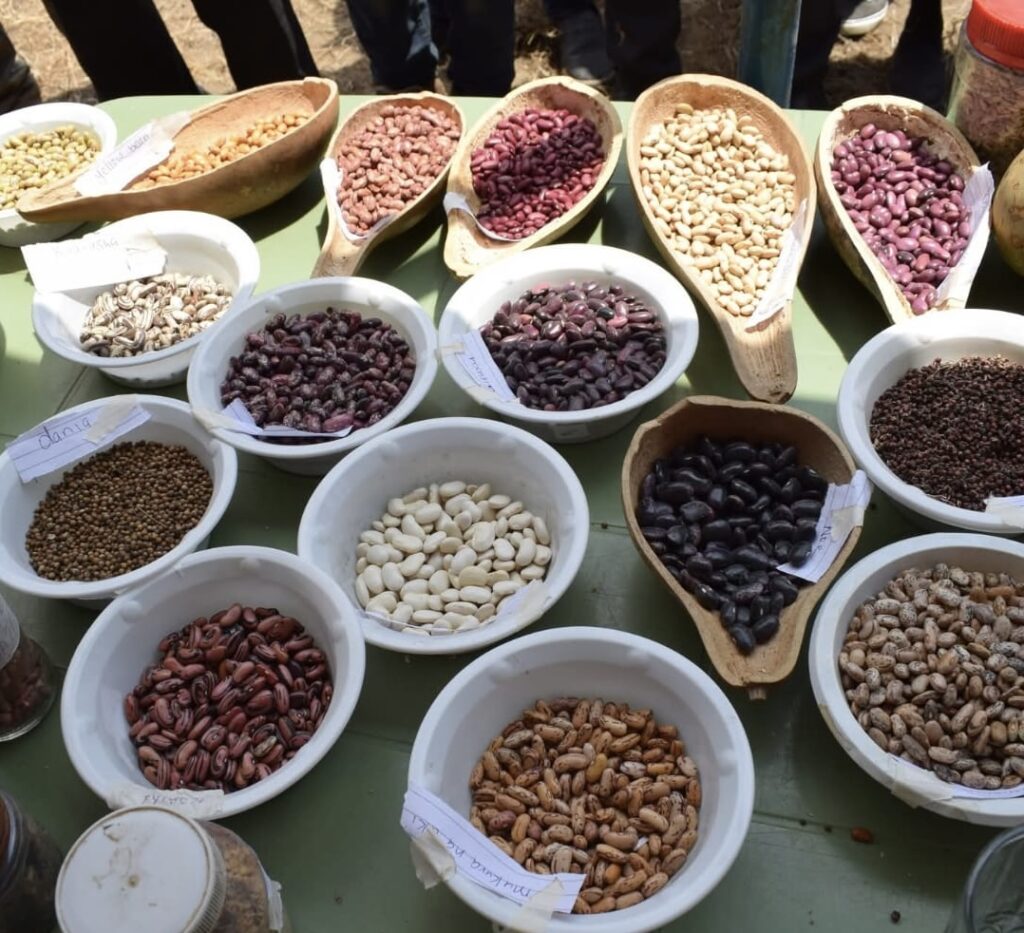
By Antynet Ford
KEPHIS has filed an appeal against the High Court ruling that opened the door for farmers to freely trade indigenous seeds, casting a shadow over last week’s landmark decision and raising new questions about how long those freedoms will last.
Last week’s ruling by Lady Justice Rhoda Cherotich Rutto made it legal for farmers to save, share and sell their own indigenous seeds by declaring key clauses of the Seed and Plant Varieties Act (SPVA) 2022 unconstitutional. Those rights remain legal today, because the appeal does not stop the ruling. However, the appeal now sets up several moments ahead — beginning with the first directions hearing — when the Court of Appeal could suspend or overturn the decision, making those same practices illegal again.
In her decision, Justice Rutto ruled that the SPVA was punitive and violated farmers’ constitutional rights, writing that “the ancient right of farmers to save and share seeds supersedes commercial interests, reshaping the legal balance of power between communities and agribusiness worldwide.” Her judgment removed harsh penalties that had existed for more than a decade. Under the previous law, anyone who saved uncertified seed and later sold or shared it risked a fine of up to Sh1 million or a jail term of up to two years.
The filing of the appeal does not change the legal situation for now. Farmers can continue saving seed from their harvests, exchanging seed with neighbours or community seedbanks, and selling indigenous varieties without certification. But this position could change quickly depending on how the Court of Appeal handles the next steps.
The first turning point will come when the Court of Appeal holds its initial hearing and decides whether to grant a stay of execution. If the court issues a stay, the cancelled clauses of the SPVA will immediately return, putting farmers once again at risk of prosecution for handling uncertified seeds. If the court declines to suspend the ruling, farmers will retain their current rights until the full appeal is argued and decided — a process that could take months or longer depending on the court calendar.
If KEPHIS ultimately wins the appeal, the sections struck down by the High Court may be reinstated, bringing back restrictions unless Parliament amends the law. If the appeal fails, the ruling becomes the standing legal position and farmers’ rights to save, share and sell their indigenous seeds would be more firmly protected.
The case was originally filed by fifteen smallholder farmers working through the Seed Savers Network with support from Greenpeace Africa and Bibo Africa. They argued that the law criminalised long-standing traditional farming practices and threatened their livelihoods. Many farmers said they had been storing indigenous seeds for years but were afraid to share them because they were not certified seed merchants.
Related News:
Grace Rock boosts seed germination from 65% to 90% with KePHIS certification
KEPHIS seed supplier list opens runway to 30% more yields for Kenyan farmers
Farmer doubles potatoes with strategic win of KePHIS certification
Farmers across several counties expressed relief after last week’s decision, saying they could finally exchange seed without fear. Meanwhile, the Seed Savers Network and officials in the Ministry of Agriculture have begun reviewing the law to ensure smallholder farmers remain protected regardless of the appeal’s outcome.
According to Tabby Munyiri, the Seed Savers Network’s Communications and Advocacy Strategist, the ruling was a major win. “The ruling has given us strength and vindicated some of our recommendations as farmers will now be free to save and sell their indigenous seeds,” she said.
For now, farmers can continue their traditional seed practices — but the appeal means the legal landscape could shift at several points in the months ahead.
Are you a farmer looking to grow the most profitable crop on your farm, with or without irrigation. Use FarmBizAfrica’s HarvestMAX on https://harvestmax.farmbizapps.com and it will tell you in less than a minute what the highest income-earning crops are for your weather, soil type and this season, based on your seasonal weather forecast. Don’t make weather losses ever again, and more than triple your income.ther forecast. Don’t make weather losses ever again, and more than triple your income.