Kakamega farmer abandons maize to earn real income from peas
3 min read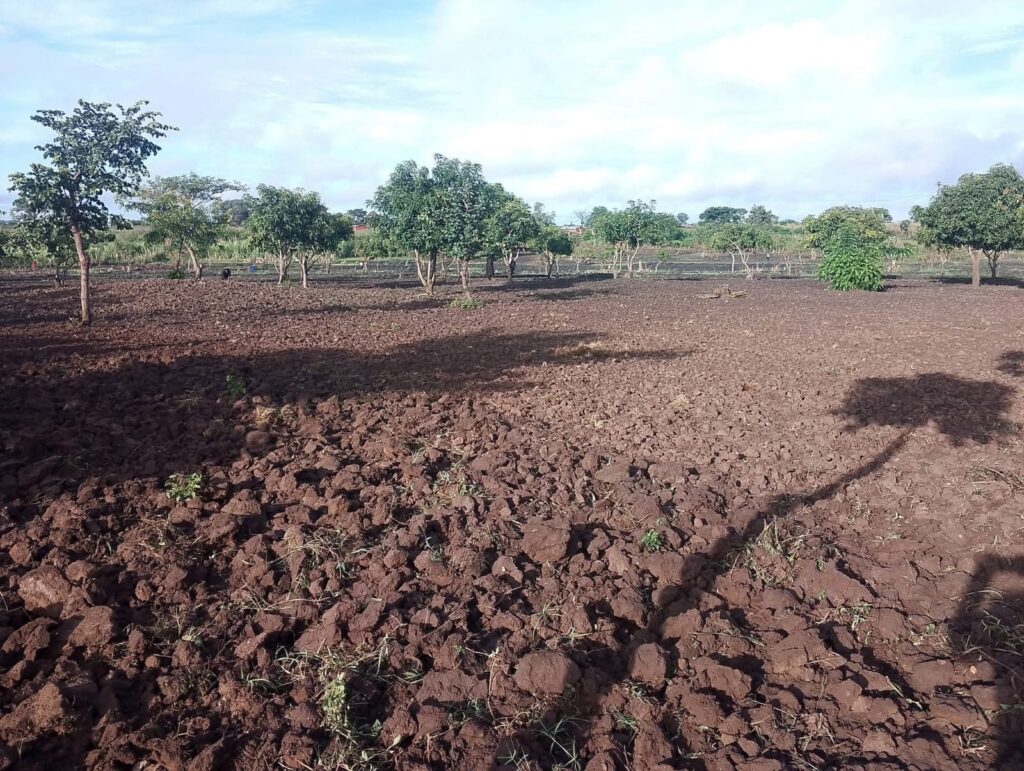
By Antynet Ford
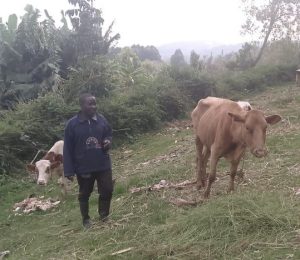
Mordechai Nyongesa, a long-time maize farmer in Mautuma, Kakamega, has this season abandoned maize on his 1 ½ acres to earn a real living from green peas, butternuts and local pumpkins, where maize was giving him only sustenance and occasional, erratic earnings.
In an interview with FarmBizAfrica, Mordechai said maize is the dominant crop in the area, but has been a poor and unpredictable earner.
“I have switched to planting green peas because the first time I did it for testing to see whether it can grow in Kakamega, it performed really well. From the half acre I planted, I got 1005 kg. My main aim is to earn a living from farming, unlike farming maize where, despite using a lot of money, one acre has been giving me less than 20 bags – a maximum of 15 and sometimes even eight. You can imagine this has been the situation for the 15 years that I have farmed maize,” he said.
“All this has been for consumption in my family, so I can’t even say that I have earned anything from farming maize. Maybe the selling of a bag or two to pay school fees for the kids. But, all in all, it is not something that I can say I have maximised profit from. With the switching, I hope to be fully immersed into agribusiness,” he said.
His neighbours are stuck in maize farming, he said, because they are not aware that other crops can be planted and earn income in the nearby Turbo and Eldoret markets.
“The first time I planted green peas, I was in doubt because, in our area, everyone plants maize just for family consumption and selling for common household bills. Many people are not conversant with other crops that can do better.”
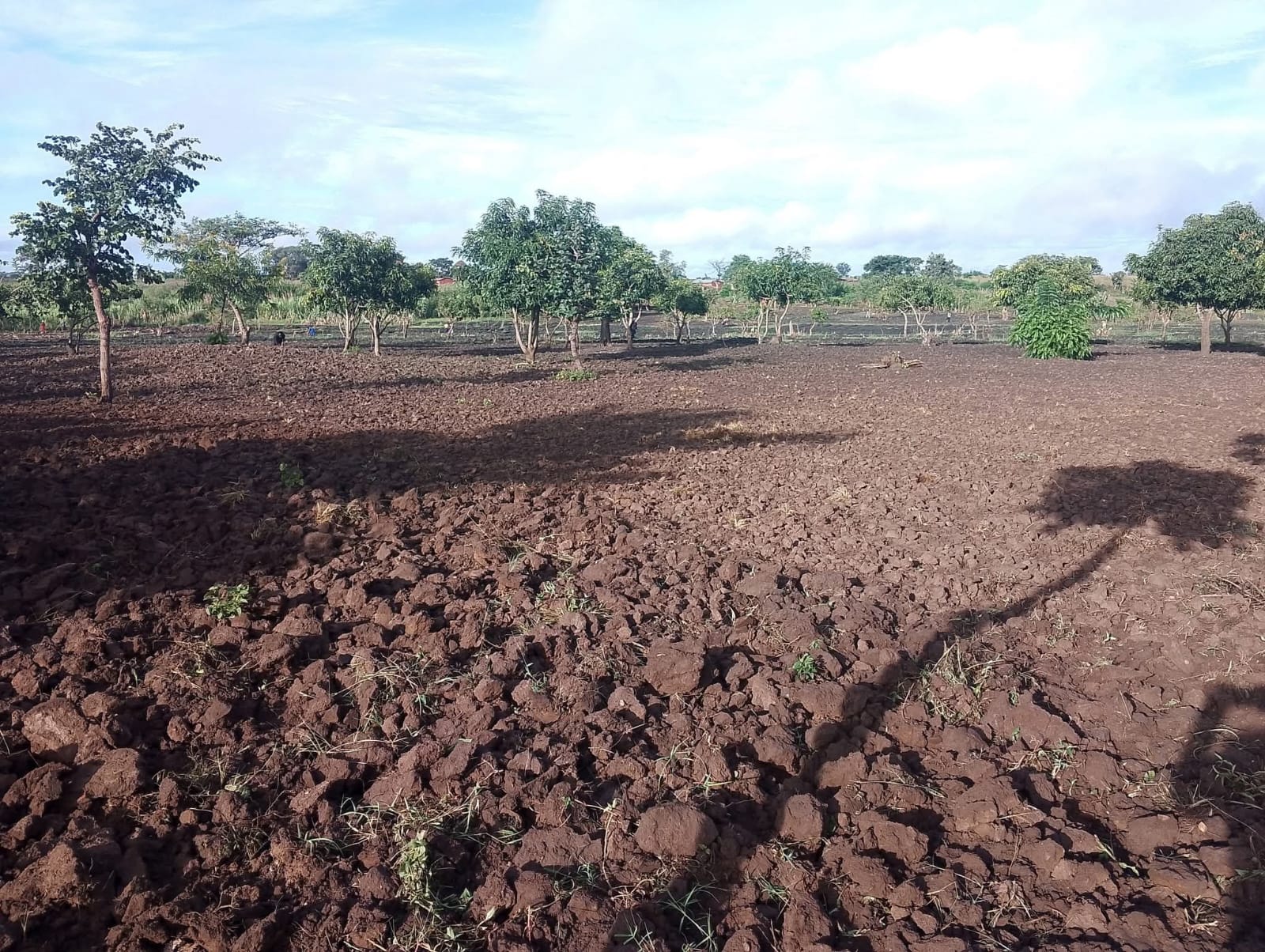
“After the harvest I made in 2024, I did soil testing and confirmed that the soil needed more nitrogen and also lime to neutralise the acidity. Last year, I applied compost manure made from my own farm together with the cow dung too. I focused on improving the soil nutrients and that is why this year I have now switched to planting green peas,” he said.
“For a start, I am just farming green peas to sell in Eldoret where there is demand. There is a section of the farm where I will also grow butternuts and local pumpkins to test whether they can perform well on this side of Kenya. My target for pumpkins and butternuts is 2000 pieces. In Eldoret, they are sold at Sh200 and Sh50 respectively.”
Mordechai said if the butternuts and pumpkins perform well, he will rotate them with the one acre of green peas after the harvest is done in the next three months.
His switch has seen him benefit immediately, with the area not having enough rains by April, even though the long rains started in February: and maize needing a lot of rain.
“Climate change has also played a great role in my role to shift from maize farming because, the weathermen, for example, say there will be rains but there ain’t any at the moment going for a month now. In such a situation, if I would be moneyed, I would have done solar installation to pump water and irrigate the farm. That is what I will do in future, say in one or two years. It is in my pipeline of plans.”
He called on farmers who are his neighbours to soil test, see what their farms lack, and improve the soil, even as they identify different crops that they can get profits from.