
Laikipia farmer sells Sh25k+ of seedlings a year from 3 fig trees
3 min read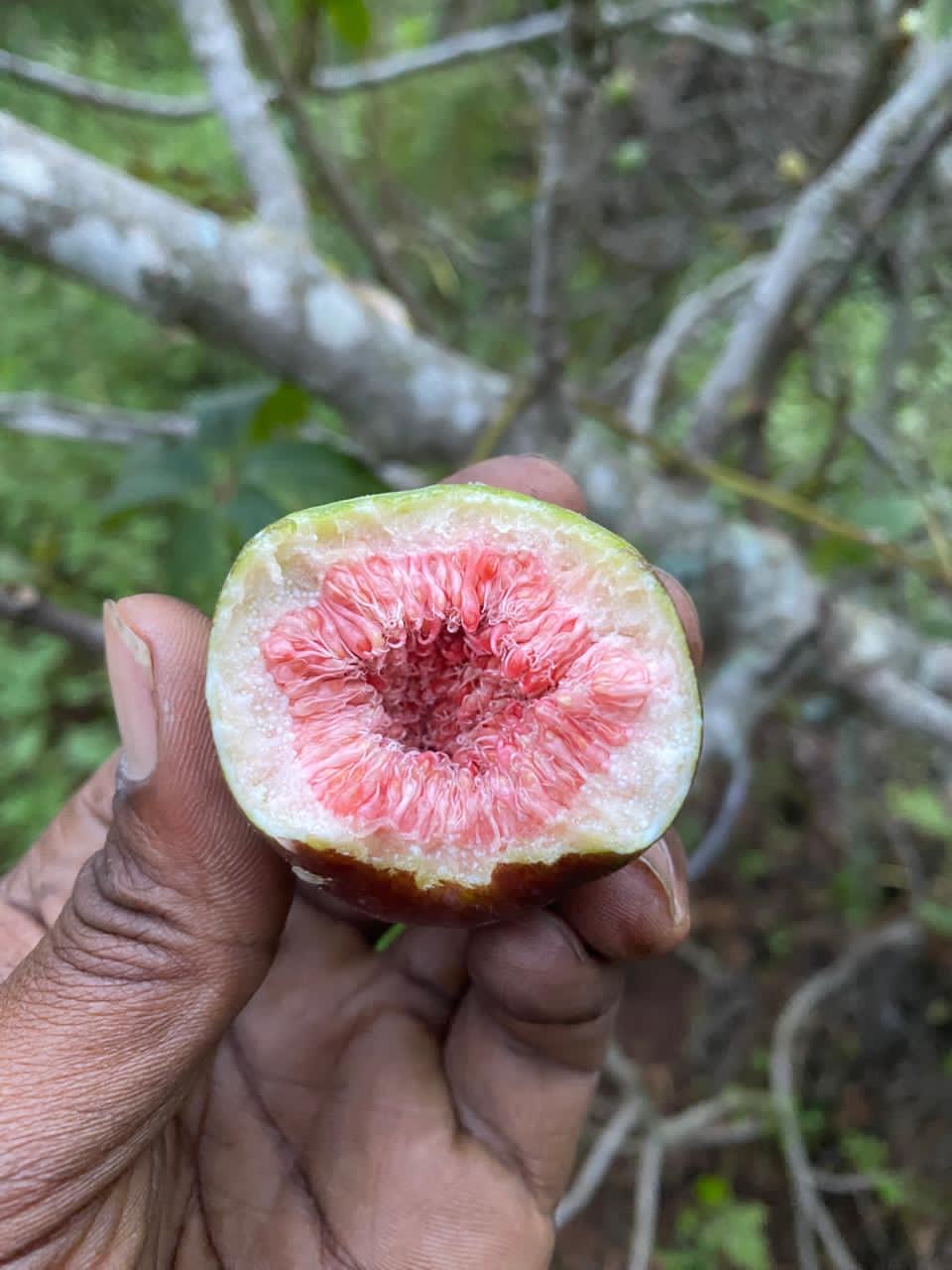
By MaryAnne Musilo
A fig farmer from Laikipia, James Gachie, is propagating and selling at least 100 Mediterranean fig seedlings a year at Sh250 each from just three fig trees, while promoting the growing of high-value fruit trees in dry areas as the fruit gains popularity.
“My journey started back in 2017, I visited a farmer who had some few fig trees and he gave me three seedlings. I planted them in my ancestral home in Laikipia. The three trees all survived. From the trees is where I get the cuttings, I propagate and get more seedlings,” said James.
James is farming the Brown Turkey variety, which originated from the Mediterranean. The variety is different from the African fig, which grows into a huge wild tree with smaller fruits.
“I have planted the Mediterranean variety. It looks like a shrub. One can even plant in a bucket. The difference between the African fig and the Mediterranean variety is that the African one is a big tree like the mugumo tree and has very small fruits. The Mediterranean one is small with bigger and sweet fruits,” he said.
The farmer said that the tree and fruits are slowly gaining popularity and farmers are showing interest in buying seedlings.
“I do propagate to get seedlings for me to add more trees in my farm, but I get buyers. I sell and start the process all over again. The fruits are gaining popularity because of their delicacy. People can eat them fresh or dried,” he said.
Fig propagation is done using cuttings taken after the fruiting season when the tree is less active.
“I select healthy branches and cut them into pieces about 20cm long, each having at least three to five nodes. I then remove leaves to reduce water loss, dip the side where the branch was attached to the tree into the rooting hormone to encourage faster root development. I plant the cuttings in a mixture of soil and manure, with at least two nodes buried in the soil. I then water immediately and keep in a shaded area while maintaining moist soil conditions. After about four to eight weeks, the cuttings develop roots and start producing new shoots. The young plants are then exposed to sunlight before being transplanted to the farm or containers where they continue growing into trees,” he said.
Fig farming is not without challenges, according to James, birds are the main challenge he faces.
“I eat the fruits when I’m lucky. Birds love them. Since I don’t sell the fruits, I have no problem sharing the fruits with the birds, but if one wants to control the birds, one can plant sunflower as birds will eat sunflower grains and forget the fruits,” he said.
“I have not heard someone asking to buy the fruits. I bet they are still rare. But seedlings are selling.I have sold at least 100 seedlings. I propagate yearly. Most buy one to maximum three seedlings because most of them are to try out.”
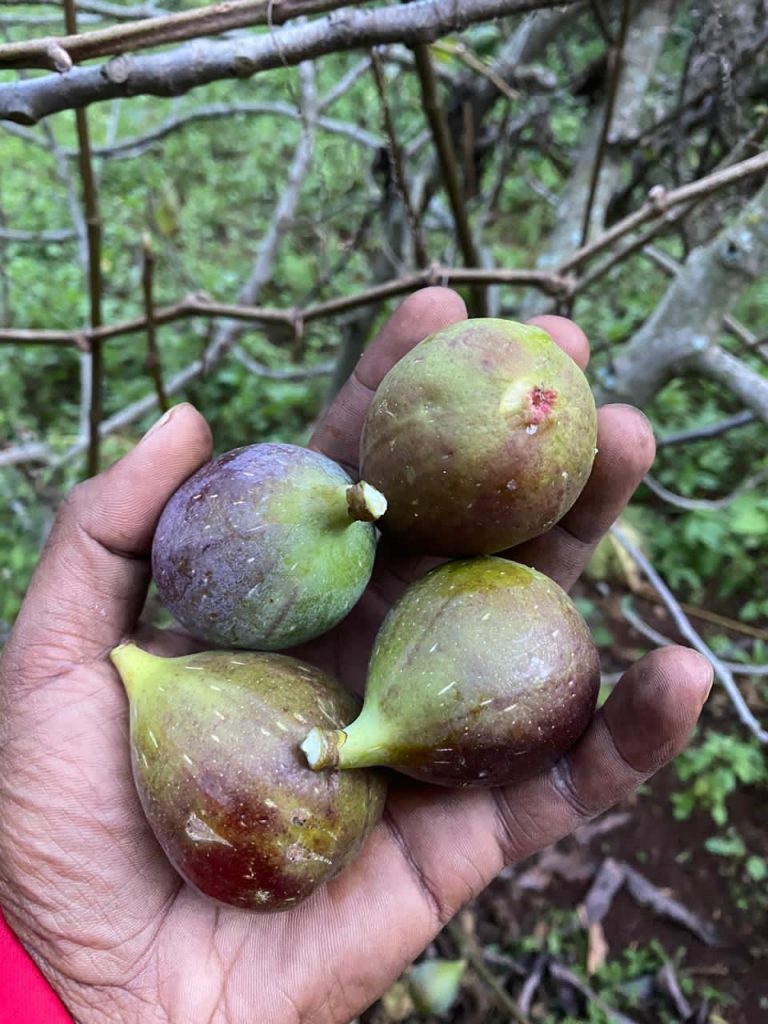
The crop is drought tolerant, making it suitable for many semi-arid regions. However, irrigation during long dry periods improves fruit size and yields.
“ Figs do well in Laikipia County, Machakos County, Makueni County, Kajiado County and parts of Baringo County. Fruits per kilo could sell at up to Sh1000.”
“I sell seedlings at Sh250, promoting sustainability for farmers to grow their own fruit trees and food. Like, if one buys a fruit you will only eat one, but if you plant a tree’ you will have your fruits for a longer time. i like exploring rare plants and because my farm is not that big, that is why I decided to plant smaller but high value plants, like the figs.”



Send me the contacts of this fig farmer from Laikipia.