Butternut farmer tips from success to harvest wipeout on powdery mildew
3 min read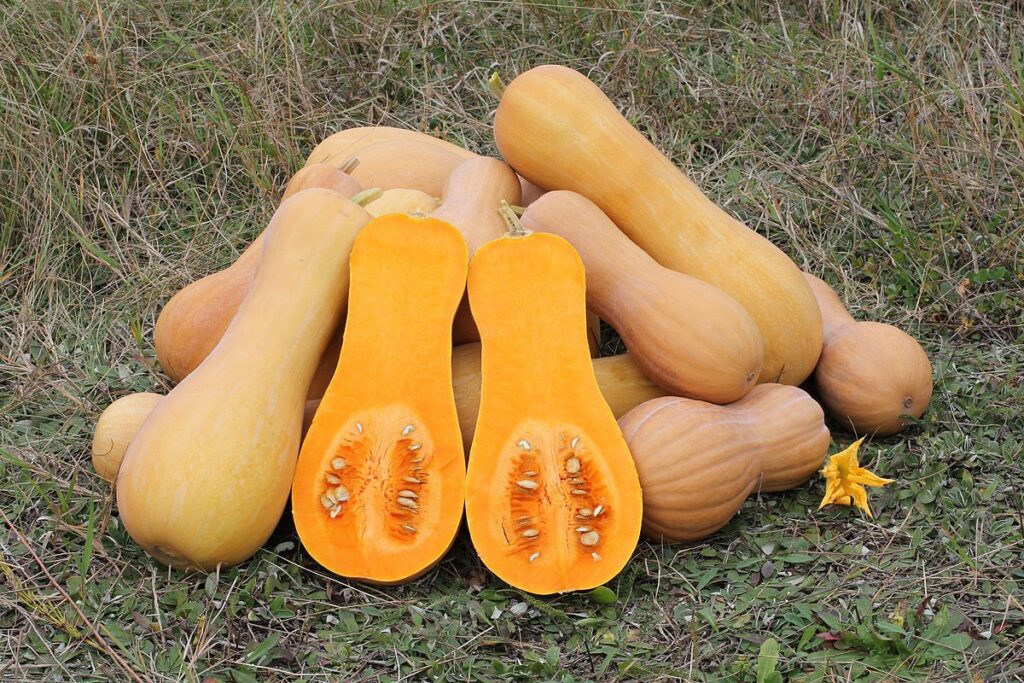
By MaryAnne Musilo
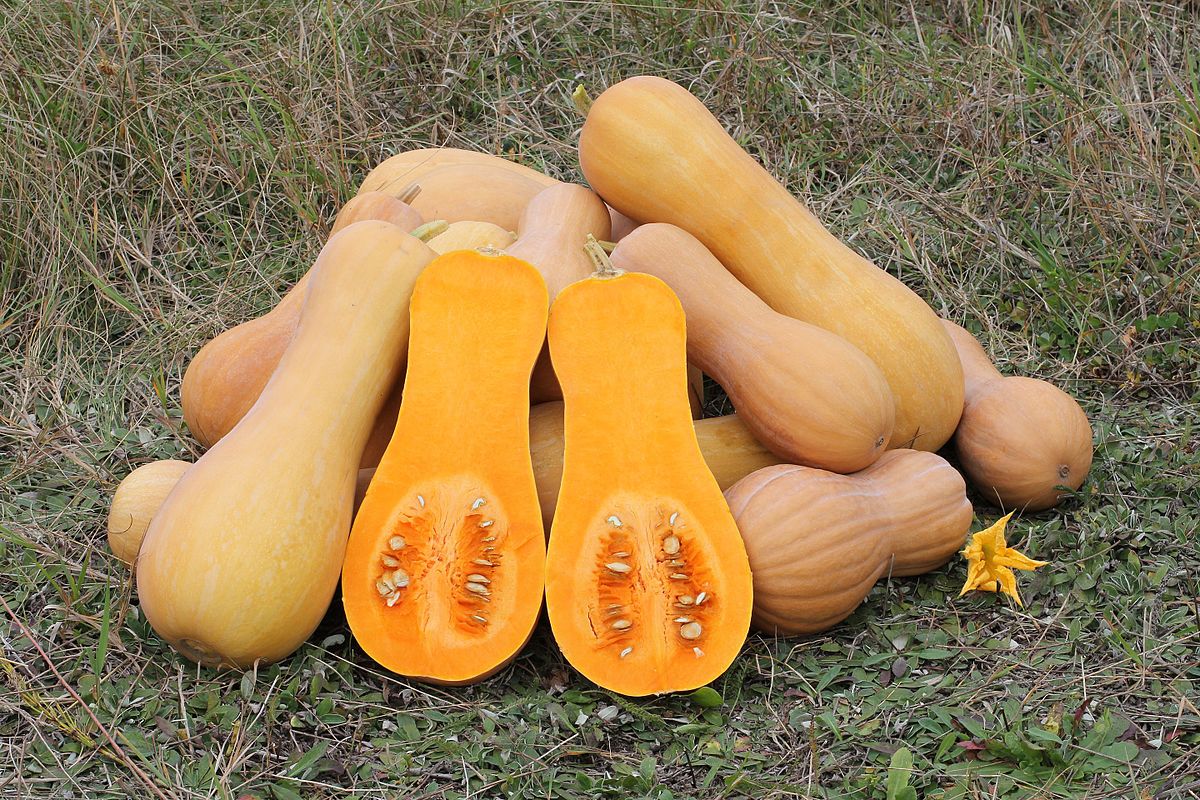
In Kiambu County, chicken farmer Wanjiku Ngugi turned to butternuts with a burst of success, only to watch her next crops collapse under pests and disease that could only be stopped with careful planning.
“My love for butternut drove me to farming them. I started late last year with 48 seeds. I got the seeds from a fruit I had bought,” she said.
That first trial, planted in October, thrived without a single pest or disease attack. With 48 seeds planted two per hole, Wanjiku harvested 192 fruits, each selling at Sh50.
“Counting even the ones I consumed, I made Sh9,600. The fruit size was good, and I just gave it an average cost. My customers were my neighbours,” she said.
“I saw this as a business opportunity and bought Leon F1 seeds from the agrovet shop,” she said. She paid Sh3,000 for 50 grammes, about 400 seeds.
But this time pests struck.
“After planting, nature decided to teach me a lesson. I faced the whitefly challenge,” she said. Turning online for solutions, she found neem oil.
“In my research online on how to curb the fly, I discovered neem oil works best,” she said. Even with the setback, she still managed a strong crop.
Related News:
Atlas F1 butternut variety earns Homa Bay farmer Sh92,100 a season
Uasin Gishu farmer dumps maize for pumpkins, earns Sh420,000 a season
Fact sheet on butternut pumpkin farming
“This round I got a good harvest of about 1,600 butternuts. I had planted 50 grammes of seeds which are about 400 seeds. Though I didn’t sell all, they really were a good deal,” she said.
But her third attempt was destroyed completely. Powdery mildew swept across the field, with no water for irrigation and weather that kept changing.
“This time round, I won’t make any harvest. I tried controlling the powdery mildew with no success. I researched online on how to do it organically with bicarbonate, but it was too late for my plants,” she said.
“I also think the plants got sick because I gave them a lot of chicken manure,” she said.
In fact, powdery mildew is one of the most damaging diseases in butternuts, spreading fast when leaves stay damp and plants are crowded. Once it takes hold, it is difficult to stop, and becomes more common in pumpkins, cucumbers, and watermelons if they are grown in the same ground for several seasons.
Preventing it means giving crops enough space for airflow, keeping leaves dry through drip irrigation, removing the first infected leaves, and rotating crops to fresh ground.
Farmers also guard their fields with resistant varieties, early sprays of neem, milk, or sulphur, and, if the infection surges, systemic fungicides such as difenoconazole or azoxystrobin.
Wanjiku is now focussed on a prevention plan for her next season. “I won’t make any harvest this time,” she said, “but I am still going on with butternut farming.”
Are you a farmer looking to grow the most profitable crop on your farm, with or without irrigation. Use FarmBizAfrica’s HarvestMAX on https://harvestmax.farmbizapps.com and it will tell you in less than a minute what the highest income-earning crops are for your weather, soil type and this season, based on your seasonal weather forecast. Don’t make weather losses ever again, and more than triple your income.