FarmBizAfrica publishes fertiliser replacement kit, as prices soar on war
4 min read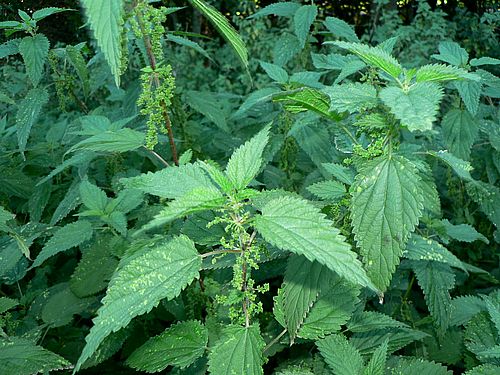
By Antynet Ford and Grace Zawadi
FarmBizAfrica has launched a free fertiliser replacement plan, ‘The Fertiliser Switch Kit’, for farmers to get top harvests using local materials, instead of manufactured fertilisers during the doubling of prices caused by the Iran war.
The FarmBizAfrica fertiliser switch is built on three simple inputs: chicken litter, nettle tea, and compost manure, which, when used together, cut costs while keeping crops thriving. “The switch puts in the nutrients delivered today by fertilisers, but also helps protect crops from drought,” said FarmBizAfrica CEO Jethro Tieman.
At the centre of the Farmbiz Africa fertilizer switch is chicken manure; the closest organic equivalent to a fertiliser bag. The guide shows that chicken waste is rich in nitrogen and delivers the kind of fast, visible growth farmers expect from inorganic fertiliser.
Fresh chicken litter is too strong, however, and will burn crops, meaning it needs to be used when it is around two months old.
“Manure is the most accessible and effective fertiliser alternative for most Kenyan smallholders. Cattle, goat, chicken and pig manure all have different nutrient profiles. The most important rule: manure must be aged or composted before use. Fresh manure contains high concentrations of ammonia nitrogen that can burn plant roots and damage seedlings. It also contains pathogens and weed seeds. Aged or composted manure has broken these down; it is stable, safe and more nutrient-rich in available plant form,” states the Switch..
The best results come from mixing the chicken litter with residues like maize stalks, or bean plants after harvesting, then piling it under shade or covered with a piece of plastic or carpet held down with stones, and turning it regularly, by lifting the cover and forking the bottom of the pile to the top.
READ ALSO:
Del Monte to produce biofertilizer from pineapple waste for East African farmers
Kenya Nut Company installs country’s first on-site hydrogen to fertilizer plant
900,000 bags of subsidized tea fertilizer available from Monday– Linturi
In six to eight weeks, it transforms into a dark, crumbly material that can be put on top of the field or dug in – both work, especially for vegetables and maize in early growth stages, allowing farmers to cut back on expensive fertiliser..
This combined compost of litter and residues can be added at any time. If aged manure or litter is applied alone, it takes longer to feed crops and needs to be added earlier – at least 90 days before harvesting above-ground crops, and at least 120 days before harvesting root crops or leafy vegetables that touch the soil.
Stinging nettles, known as Thabai in Central or Chisa in Nyanza is often cleared as a weed yet it is one of the best sources there is of nitrogen and iron – two nutrients that crops respond to almost immediately, meaning it can be used to replace fertiliser.
To make nettle tea as a fertiliser, put the leaves in a bucket and leave for about two weeks. This makes a liquid fertiliser that acts quickly, especially when sprayed onto leaves as a foliage.
According to research by Farmbiz Africa, the results of using Thabia are visible within days: maize greens up, sukuma becomes more vigorous, and struggling seedlings recover faster.
“The result is a free, organic, liquid fertilizer that is particularly high in nitrogen, which drives leafy growth, as well as iron, potassium, calcium and magnesium. It can be used as a soil drench or a foliar spray.”
This is a low-cost solution with real impact during the vegetative stage when crops need nitrogen the most. However, nettle tea is not a complete fertilizer as it lacks phosphorus, which means it works best when paired with manure rather than used alone.
But at the heart of the FarmBizAfrica fertiliser switch system is the composting.
Unlike aged chicken manure alone or nettle tea, the compost works steadily in the soil, improving its structure, moisture retention, and long-term fertility.
According to research by FarmBizAfrica, farmers who start making and adding compost begin to notice their soils hold water longer, crops become more resilient during dry spells, and even small amounts of fertiliser go much further.
As well as animal manure and crop residues, kitchen waste, and even the leftover pulp from nettle tea can be added to the compost pile. So long as it is kept moist, turned regularly, and allowed to heat up, it breaks down into a nutrient-rich material that can be applied before planting or around growing crops.
Making this compost completes the FarmBizAfrica fertilizer switch system, as a set of actions, applying compost or aged manure before planting to build soil fertility, then, as crops establish, using nettle tea to push leafy growth and correct deficiencies.
Mid-season, the switch adds more chicken manure to sustain the crop. Over time, the soil improves, and the need for purchased fertiliser steadily reduces each season.
You can download the full FarmBizAfrica Fertiliser Switch kit below.
Do let us know all your questions and experiences in using this, as we work together to find local materials that can replace manufactured fertilisers for so long as they are at global prices beyond all our control.
Are you a farmer looking to grow the most profitable crop on your farm, with or without irrigation. Use FarmBizAfrica’s HarvestMAX on https://harvestmax.farmbizapps.com and it will tell you in less than a minute what the highest income-earning crops are for your weather, soil type and this season, based on your seasonal weather forecast. Don’t make weather losses ever again, and more than triple your income.