Farmer finds non-toxic bean residues fatten Dorpers
3 min read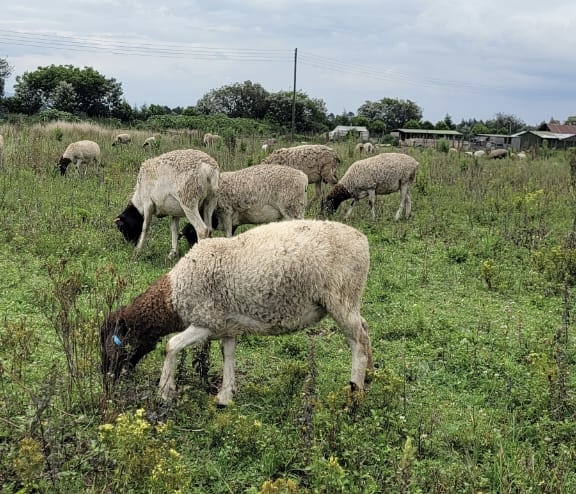
By MaryAnne Musilo
Only certain bean varieties are safe for sheep, livestock experts warn, with toxic types capable of causing severe illness or death if fed raw or improperly processed. Yet by choosing the right varieties, Nakuru farmer Ken Kamau has transformed what was once discarded crop residue into a powerful, low-cost feed that has dramatically improved the health and weight gain of his Dorper flock.
What used to be waste on his Menengai Echoranch farm is now a dependable source of nutrition. Using dried, non-toxic bean plants, Kamau has boosted sheep performance, turning ordinary bean residue into an effective supplement.
Ken first discovered the idea during a visit to a friend’s farm, where he learned that certain bean plants could safely be incorporated into a sheep diet.
“In an acre and a half at Menengai Echoranch, we farm beans for commercial purposes and for home use. After learning that the bean plants can be fed to sheep, I introduced it to supplement their diet,” he said.
The effects were quick and visible. Within weeks, his sheep appeared fuller, more energetic, and noticeably healthier.
“I take the bean plants, dry them, grind the straws and pods, and introduce the feed in moderation alongside fodder and silage,” he explained.
Dried bean straws and pods provide high fibre that supports digestion, stabilizes rumen pH, and helps sheep convert feed more efficiently by keeping the gut functioning smoothly.
According to veterinary surgeon Dr. Gachoka Richard, bean plants can be a valuable, protein-rich resource when used correctly.
“When prepared properly, they offer up to 14% protein and high fibre that can support animal growth and performance. However, if it is the first time introduction, one should do it gradually over up to three weeks,” Dr. Gachoka noted.
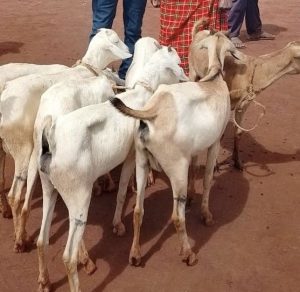
Ken now uses the dried bean residue on his lambs and rams and, when supplies allow, on all 300 sheep. The improved nutrition has boosted demand for his animals and increased his earnings.
“My clients are happy, last week I sold 30 lambs. They love my sheep because they are healthy. I also give them the water left after boiling beans at home,” he added.
But animal experts emphasise that not all bean varieties are safe. Some, especially those containing high levels of anti-nutritional compounds, can be toxic to sheep.
Red kidney beans, white kidney beans, and some broad beans contain dangerous levels of phytohemagglutinin, a potent toxin that can cause severe digestive illness or poisoning. Farmers are warned to avoid feeding residues from these types.
On the other hand, many common varieties are safe when dried and fed in moderation. These include yellow beans, pinto beans, rosecoco, and most locally grown bush beans, which have low toxin levels and offer good protein and fibre. Experts advise mixing them with other feeds to prevent digestive upsets.
Are you a farmer looking to grow the most profitable crop on your farm, with or without irrigation. Use FarmBizAfrica’s HarvestMAX on https://harvestmax.farmbizapps.com and it will tell you in less than a minute what the highest income-earning crops are for your weather, soil type and this season, based on your seasonal weather forecast. Don’t make weather losses ever again, and more than triple your income.ther forecast. Don’t make weather losses ever again, and more than triple your income.