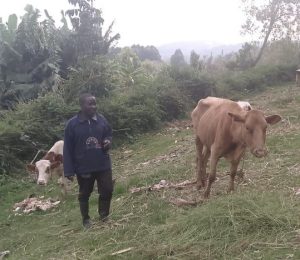
Former MP works to position Siaya as a cocoa zone
3 min read
By MaryAnne Musilo
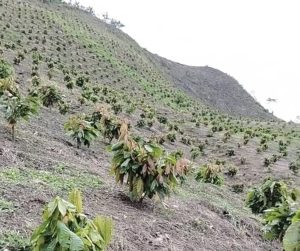
Former MP Samuel Weya is approaching his first cocoa harvest just two years after creating a cocoa plantation in Siaya that he is using to prime the region as a future cocoa zone.
As the former Member of Parliament for Alego Usonga Sammy began his cocoa plantation after commissioning a ten-day soil and climate appraisal by agronomists from KALRO and other institutions.
“I was wondering why in my constituency agriculture was not thriving and yet we had water and good soil,” he said. “After inviting the agronomists, they told me that practically everything can grow here because there is no cold weather.”
He initially experimented with mangoes, macadamia, guava, oranges, calab nuts, and coffee, including varieties such as Ruiru 11 and SL 28, but the real breakthrough came when agronomists recommended cocoa. They advised integrating cocoa into the existing citrus orchard to benefit from the natural shade.
“I got 100 cocoa seedlings from KALRO, and two years later, I’m seeing them making buds. This shows cocoa can grow in this area. The trees began flourishing beneath the older citrus,” he said.
Sammy is interplanting the cocoa with shade-providing trees, including citrus, mangoes, bananas, and indigenous trees like acacia.
“You can’t plant cocoa in direct sunlight since it will dry out,” he said. “Acacia trees don’t compete for nitrogen, and their leaves serve as valuable compost.”
“I nurture the trees organically, using compost and manure. My aim is to produce seedlings so I can expand to the neighbourhood and to the people who want seedlings of the cocoa producing the seed,” he said.
“Seedlings are currently selling at Sh350 each and are projected to rise to about Sh450 as demand grows,” he said.
With trial cocoa plots now in Siaya, Meru, and Kilifi, demand for seedlings is also rising in other regions too.
Global cocoa prices have surged in the last year, trading at approximately $6.79 per kilo, with earlier peaks of more than $10 a kilo.
“The current price levels are very attractive for emerging producers in Kenya,” said Sammy.
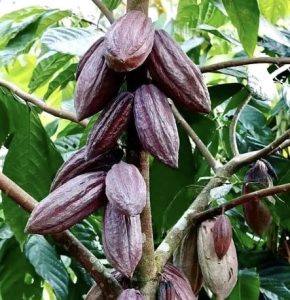
Mature cocoa trees can produce 20 to 30 pods a year, each containing 30 to 40 beans. Farmers typically ferment the beans for five to seven days and then dry them before sale. Traders buy the dried beans by the kilo, for chocolate manufacturers who roast and grind the beans into cocoa liquor, cocoa butter, and cocoa powder.
Read also:
Farmers fearing coffee sales ban on new rules can check their farms online
EU forestation rules to lock out smallholder coffee farmers from 30th Dec
KALRO cocoa seedling sales up 158% as Kenyans grow homemade chocolate for their families and sales
To get the best possible yields, Sammy has spaced his cocoa trees two metres apart in well-prepared pits filled halfway with compost and topsoil, forming shallow basins to help retain the right amount of water. While cocoa trees need moisture, too much water can cause root rot.
To establish healthy growth, he applies organic sprays and root boosters at planting, and controls pests such as aphids using natural methods.
“Coffee bore berries after one and a half years, but the tea failed,” said Weya of his earlier trials. Now, with cocoa trees budding after just two years, he believes the crop could open up a new cash-earning future for the region.
Are you a farmer looking to grow the most profitable crop on your farm, with or without irrigation. Use FarmBizAfrica’s HarvestMAX on https://harvestmax.farmbizapps.com and it will tell you in less than a minute what the highest income-earning crops are for your weather, soil type and this season, based on your seasonal weather forecast. Don’t make weather losses ever again, and more than triple your income.