New farmers find arrowroot is perfect step onto agricultural income ladder
4 min read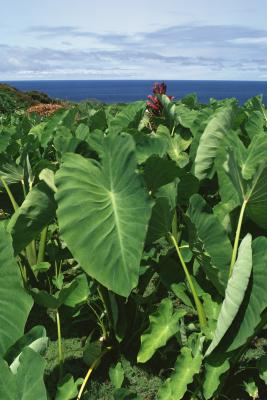
By Antynett Ford and Lyzzie Owade
Arrowroot is emerging as a perfect crop for starters in commercial farming, with its easy production and high demand as breakfast food, launching new farmers countrywide into their first commercial earnings.
Mercy Chege in Gatanga and Samson Gitonga in Kirinyaga both began farming arrowroots with little capital and experience, but have grown it into a regular income.
“I started practicing in 2019, just before COVID-19. Arrowroots are easy to farm and take a short time to mature, and they don’t need a lot of work,” said Mercy. “At first, I was doing it just for my family and the small village market near us. But as time went on, the market demand increased a lot, especially among the elderly. Many people eat it for breakfast, and it has medicinal value for people with diabetes and cancer.”
Construction worker Samson began with even fewer resources. “I sometimes had no places to work, yet I have a family who depends on me,” he said. “Arrowroot farming has been the best choice I have made. I sell at Sh100 per kilo, depending on the size. If it’s big enough, even one piece can make a kilo.”
He now earns between Sh15,000 and Sh20,000 from a 10 by 10-foot plot, calling it a much better return than his mjengo (construction) work.
Mercy has gone on to cultivate a quarter acre in a swampy area, harvesting twice a year. “I get between 3,000 and 4,000 kilograms and sometimes up to 5,000 kilos. One kilo costs Sh100, so from a single harvest, I make an average of Sh40,000. For two harvests a year, it ranges between Sh80,000 and Sh100,000.”
Samson said it was his wife who first suggested they try tomato farming, but they couldn’t afford the seeds or chemicals. “So I just bought the arrowroot tubers from the neighbour. Each tuber was Sh10. I started working on the arrowroots, though I wasn’t sure what I was getting into, since I had only seen my grandmother plant it when I was young.”
He now uses simple practices to grow the crop. “Prepare the land by making it soft, not compact. Dig a hole one foot deep and one foot wide. Insert the tuber and cover it with soil. Keep one foot distance from one arrowroot to the next.”
Both farmers dig trenches to control water. “When there is too much water, the arrowroots might rot, so you have to control the amount of water. The common pests are worms, which attack the roots. This happens during weeding if the roots get damaged. So to avoid this, you have to be careful when weeding,” said Samson.
Mercy has similarly invested in water management. “Trenches are the best way to hold water for the plants to grow without competing for important resources,” she said. She advises that harvesting be done carefully. “The harvest must be done slowly to avoid scratching, which makes them spoil fast if there is no ready market.”
But both have struggled with older, slower-maturing and less pest-resistant arrowroots combined with soil challenges. “The biggest challenge we face as farmers is that most of us grow the old type of arrowroots, which take a long time, like six to seven months. But when you grow the new variety, it only takes four months,” said Samson.
Related News:
Mumias farmer mints millions supplying underserved arrowroot market
The golden tuber: How arrowroot farming has transformed a Kakamega farmer’s life
Mumias arrowroot farmer adopts value addition to improve earnings & provide employment
“My biggest problem is soil acidity, which makes the arrowroots get eaten by pests and worms. This causes holes, so they sell at a lower price,” said Mercy. “When you notice the problem, you spread ash all over the farm to stop it from spreading. The affected plant is also cut into pieces and destroyed to kill the pests and worms.”
Even so, both are now looking to expand. “The harvest of arrowroots takes place after six to eight months. When they start rising from the ground and the leaves change colour, it means they are ready,” said Mercy. “Try not to scratch them when harvesting so they can stay fresh longer. After harvest, make sure they don’t sit in water or strong sun, or they will rot.”
She added: “Don’t remove all the soil after harvest, because if they lose too much moisture, they lose their value.”
Are you a farmer looking to grow the most profitable crop on your farm, with or without irrigation. Use FarmBizAfrica’s HarvestMAX on https://harvestmax.farmbizapps.com and it will tell you in less than a minute what the highest income-earning crops are for your weather, soil type and this season, based on your seasonal weather forecast. Don’t make weather losses ever again, and more than triple your income.