
Severe El Niño set to slash food production in East Africa from mid year
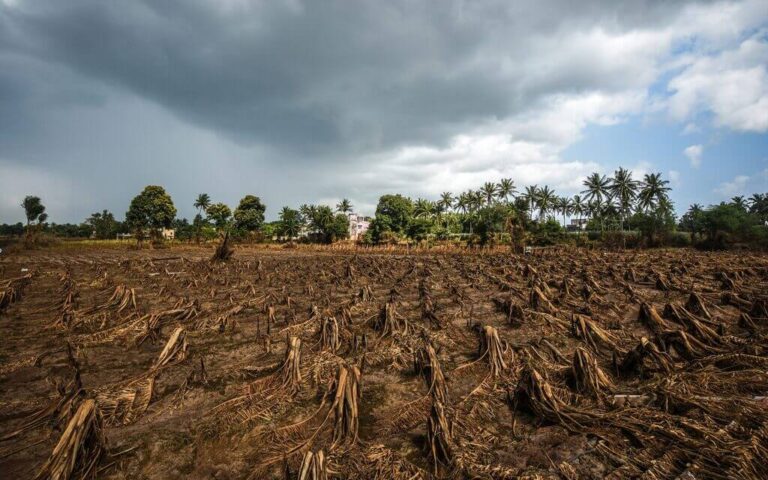
By Jenny Luesby
Scientists are increasingly warning that East Africa could face another major El Niño event in late 2026, raising fears of widespread flooding, crop destruction, livestock disease outbreaks and transport disruption across Kenya and the wider region.
The latest forecasts from the World Meteorological Organization (WMO), NOAA and the IGAD Climate Prediction and Applications Centre (ICPAC) show rapidly warming Pacific Ocean temperatures consistent with a developing El Niño pattern.
The WMO said in April that “high confidence” now exists for the onset of El Niño from mid-2026, with further strengthening later in the year.
NOAA’s latest forecast estimates a 65 per cent chance that the event could become “strong or very strong” between October 2026 and February 2027, potentially placing it among the most powerful El Niño events on record.
Regional climate experts at ICPAC have warned that if the event intensifies as projected, Eastern Africa is likely to receive above-normal October-December rainfall with a heightened risk of extreme flooding events.
The greatest impacts in Kenya would likely occur during the October to December 2026 short rains season, the rainfall period most strongly linked to El Niño conditions in East Africa.
Past El Niño events show how destructive those impacts can become for agriculture across East Africa.
The 1997-98 El Niño remains the most devastating modern example. Exceptionally heavy rainfall caused severe flooding across Kenya, Uganda, Somalia, Tanzania and Ethiopia, destroying crops, roads, irrigation systems and food stores. Research estimates that Kenya alone suffered economic losses running into billions of shillings from damage to infrastructure, agriculture and livestock systems.
Studies of the 1997-98 event found that maize, beans and horticultural crops were heavily damaged by waterlogging, fungal disease and flooding in western Kenya, central Kenya and coastal regions. Rice schemes and river basin farming areas suffered extensive inundation.
The lower Tana River basin experienced major crop losses after rivers burst their banks, while western Kenya flood plains including Budalang’i and Kano Plains suffered repeated destruction of maize and bean farms. Floodwaters also washed away stored grain and seed reserves.
In the highlands, persistent wet conditions sharply increased fungal diseases in potatoes, beans and vegetables. Excess moisture also reduced pollination and delayed harvesting, causing post-harvest losses and grain spoilage.
Research on East African El Niño impacts has repeatedly shown that while some dry pastoral areas initially benefit from improved pasture and water availability, livestock disease outbreaks often follow. Rift Valley Fever outbreaks during El Niño years are strongly associated with flooding and mosquito population explosions.
During the 1997-98 El Niño, Rift Valley Fever killed thousands of livestock across Kenya, Somalia and Tanzania and disrupted livestock trade across the region. Large numbers of sheep, goats and cattle died in northeastern Kenya and pastoral communities suffered major income losses.
The event also caused sharp increases in maize diseases including grey leaf spot, northern leaf blight and ear rots due to prolonged humidity. In bean-growing regions, root rots and bacterial diseases increased significantly under saturated soil conditions.
Kenya’s tea sector was also affected. While rainfall initially improved leaf production in some highland zones, prolonged wet conditions damaged roads and blocked transport to factories and export routes, reducing farmer earnings and increasing spoilage.
Coffee farmers similarly suffered from increased fungal diseases and berry losses linked to excessive rainfall and poor drying conditions.
In Tanzania and Uganda, banana production areas experienced severe soil erosion and root damage during earlier strong El Niño years. Landslides in steep farming zones buried cropland and destroyed terraces.
Scientists say these impacts are likely to become worse because climate change is increasing atmospheric moisture and intensifying extreme rainfall events. ICPAC warned that the possible 2026 El Niño is developing in “an already warmer climate system”, increasing the likelihood of more intense rainfall extremes.
The regions considered most vulnerable in Kenya include western Kenya, the Lake Victoria basin, lower eastern river basins, coastal Kenya and landslide-prone highland counties.
Areas repeatedly identified in scientific studies and disaster reports as high-risk during El Niño years include Busia, Kisumu, Homa Bay, Migori, Tana River, Garissa, Kilifi, Mombasa, Nairobi, Murang’a, Nyeri, Elgeyo-Marakwet, West Pokot and Narok.
Flood-prone irrigation and rice-growing zones are considered especially exposed because prolonged inundation destroys crops and delays planting windows.
Pastoral counties may initially experience improved grazing conditions if rainfall increases, but veterinary experts warn that wet years are historically associated with outbreaks of Rift Valley Fever, foot problems and other livestock diseases linked to muddy conditions and increased insect populations.
The wider East African region is already entering the forecast period after severe drought conditions linked to La Niña and failed rains in 2025. ICPAC and FEWS NET reports show that eastern Kenya, Somalia and Ethiopia entered 2026 with major rainfall deficits, weakened livestock herds and stressed food systems.
Scientists warn that a rapid shift from drought into extreme flooding often produces especially severe agricultural damage because dry, degraded soils absorb less water and infrastructure weakened by drought fails more easily during heavy rainfall.
Despite the strengthening forecasts, climate scientists caution that uncertainty still exists because El Niño forecasts made before the northern hemisphere summer remain affected by the “spring predictability barrier”, when forecast skill is lower.
However, the growing agreement between international climate models has increased concern that East Africa may again face a severe El Niño season comparable to previous historic flood years.
Get your farming news by email.
Free. Market prices, crop news and farmer opportunities, straight to your inbox.