
Timed insemination saves Nyeri farmer from quitting dairy after cows fail to conceive
By Francis Ndungu
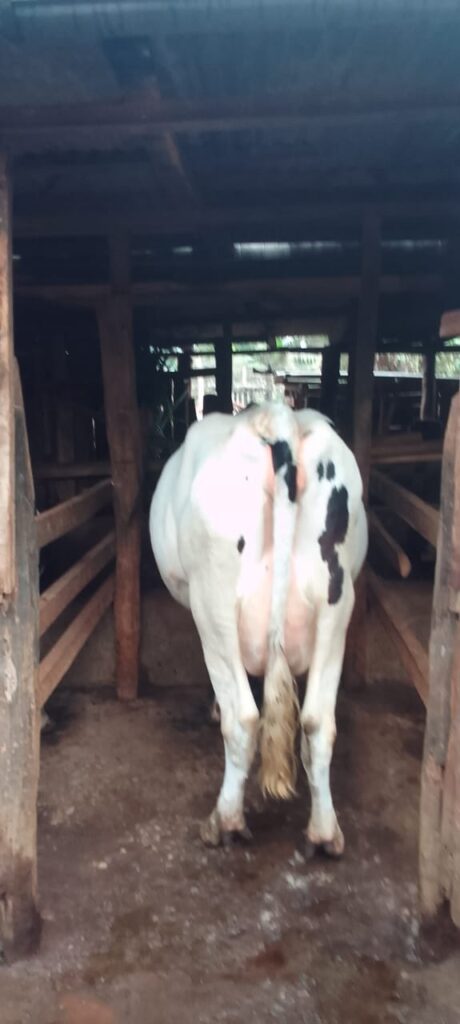
Hannah Mwangi, a dairy farmer in Nyeri County, was close to giving up on her two cows after repeated failed attempts to get them pregnant. Both animals had shown signs of being on heat, but three rounds of artificial insemination (A.I.) had failed, leaving her without calves and without milk to sell.
“I called the vet thrice to give an A.I. but all was in vain. I felt a lot of pain because the three times I spent a lot of money which was never refunded and I considered it as a loss,” said Hannah.
Her case was typical of what veterinary officer Alex—who works in her area—describes as a growing problem in dairy farming: poor heat detection and hormone imbalances caused by inadequate feeding. He explained that cows are biologically meant to give birth once a year, but many now struggle to come on heat or conceive due to poor diets and management.
“Well-fed cows are supposed to calve every year when taken good care of. The care includes proper feeding and meeting the freedoms cattle need,” said Alex.
He advised Hannah to adopt a fixed-time insemination protocol, a method designed to bypass natural heat detection by preparing the cow hormonally for insemination on a scheduled day. He also reviewed her feeding regimen, helping her formulate home-made feed mixes that restored her animals’ health and fertility.
Hannah had been buying commercial feeds, but with high costs and little improvement in yields, she switched to feed formulations based on Alex’s training. The result was immediate. Her cows’ milk production rose from 20 litres to 37 litres per day.
“During dry-off periods I feed my cows with feeds and salts rich in selenium and phosphorus to enhance heat. During lactation, I use feeds rich in calcium and protein to prevent diseases like milk fever and ketosis,” said Hannah.
One of her cows was a heifer that had failed to go on heat for two consecutive years. According to Alex, mating too early—at around 12 months—can lead to reproductive issues. He recommends breeding heifers at 15 to 18 months or once they reach 150kg to ensure their reproductive systems are mature enough.
“I have experienced that heifers mated at 12 months tend to develop complications when calving. They are often unable to calve down properly and sometimes even give birth to paralyzed calves,” he said.
Delayed or failed heat can also stem from mineral deficiencies, particularly of selenium, magnesium, and iron, which disrupt hormone function. In some cases, cows may experience ‘silent heat’, showing no behavioural signs of ovulation.
“Most farmers get confused when their cows experience silent heat and declare failed heat. These animals don’t mount others but may show creamy mucus from the vulva, swelling, or reddening,” said Alex. “This is why it’s important for farmers to develop close relationships with their cows to notice subtle changes.”
Once the diet was corrected, Alex enrolled Hannah’s cows on the fixed-time insemination programme. The process involved a 10-day hormone protocol.
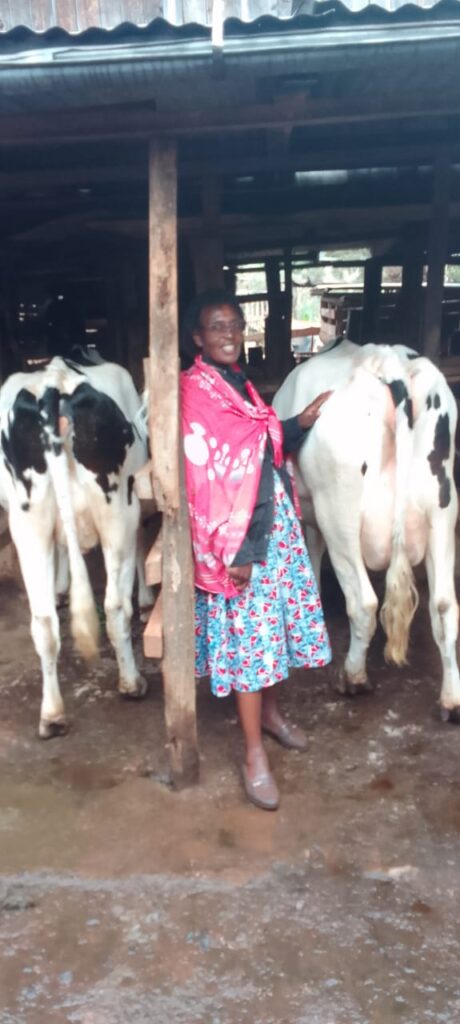
“I selected the first day. The vet injected hormones to prepare the cow for ovulation. On the seventh day, he gave another hormone (GnRH) to enhance ovulation, and on the ninth day, he injected PGF2α to complete the process. Then, between 16 to 24 hours after the last injection, he inseminated the cow,” said Hannah.
During the gestation period, she ensured her cows received a balanced diet to support foetal growth and safe delivery. Nine months later, both cows delivered successfully.
Related News:
Expert advice: What to consider to avoid losses during artificial insemination
Artificial insemination in chicken boosts egg fertilization
“Initially I was doubting the fixed-time insemination, but after my cows delivered, I agreed with it. I now use the method whenever my cows develop heat complications,” she said.
Since then, she has consistently bred each cow once a year and always gotten a calf. Her milk production has surged, and she now sells over 62 litres a day at Sh45 a litre.
“The method is very convenient, there’s no time wasted on failed heat, and it helps in upgrading the breed since artificial insemination is used. Any farmer who doesn’t get a calf every year on each cow is not a commercial farmer and may not enjoy the profit of dairy farming,” said Hannah.
She also highlighted the added benefit of disease prevention, noting that artificial insemination had helped reduce the risk of sexually transmitted infections between animals—one of the problems she faced when she previously relied on natural mating.
According to Alex, the hormones used in the process are readily available at agrovet shops but must be administered professionally.
“Farmers are not supposed to use the hormones without advice from the vet since cows can develop microbial resistance,” he warned.
Hannah now plans to continue improving her herd’s genetics and productivity through A.I., proper feeding, and accurate record keeping.
“This method helps me plan properly. I breed my cows at different times so that when one dries off, I still have milk from the other,” she said.
Are you a farmer looking to grow the most profitable crop on your farm, with or without irrigation. Use FarmBizAfrica’s HarvestMAX on https://harvestmax.farmbizapps.com and it will tell you in less than a minute what the highest income-earning crops are for your weather, soil type and this season, based on your seasonal weather forecast. Don’t make weather losses ever again, and more than triple your income.
Get your farming news by email.
Free. Market prices, crop news and farmer opportunities, straight to your inbox.