Exporter forced out of chillies by FCM pest retries with netting
3 min read
By MaryAnne Musilo
Paul Gaute built a successful chili export business from scratch in Ugenya, Siaya County, only to see it collapse under the weight of rising pest burdens, most seriously from the false coddling moth.
Now, after shutting down his Kenyan operations, Gaute is returning with a pilot plot to test if small-scale chili exports from Kenya can survive netting rules that have driven more than half the country’s chili farmers out of the EU market.
“I started brokering between farms and buyers, and by 2015–2016, I began farming with my partner for export to the UK. Back then, we planted in open fields without restrictions,” said Paul. “But by 2018, pests were rampant, and we started receiving warnings from Europe.”
Those warnings eventually turned into an ultimatum. After interceptions of Kenyan produce contaminated with the moth, an EU quarantine pest that burrows into fruit and is hard to detect, EU regulators demanded all chili exports be produced in enclosed environments.
“We were given 20 days to move into greenhouses or netted production systems. It felt impossible,” said Paul.
“Only bullet chili thrived in greenhouses, but costs were staggering. Yet demon chili, which was the preferred export variety, could not grow well under greenhouses.”
The EU’s crackdown didn’t stop at chillis. A two-month suspension on Kenya’s chili exports in 2023 was matched by a halt in flower exports, as both were found to harbour the false coddling moth. Since then, netting has become compulsory for chili growers and exporters, to prevent moth larvae entering produce undetected.
Paul said most chili farms have reduced their output by over 50 per cent due to the difficulties in fending off the pest, with many smallholders leaving the industry altogether.
“I went to Rwanda and later Tanzania,” said Paul. “Open field farming there meant fewer pests, cheaper structures, and bigger profits.”
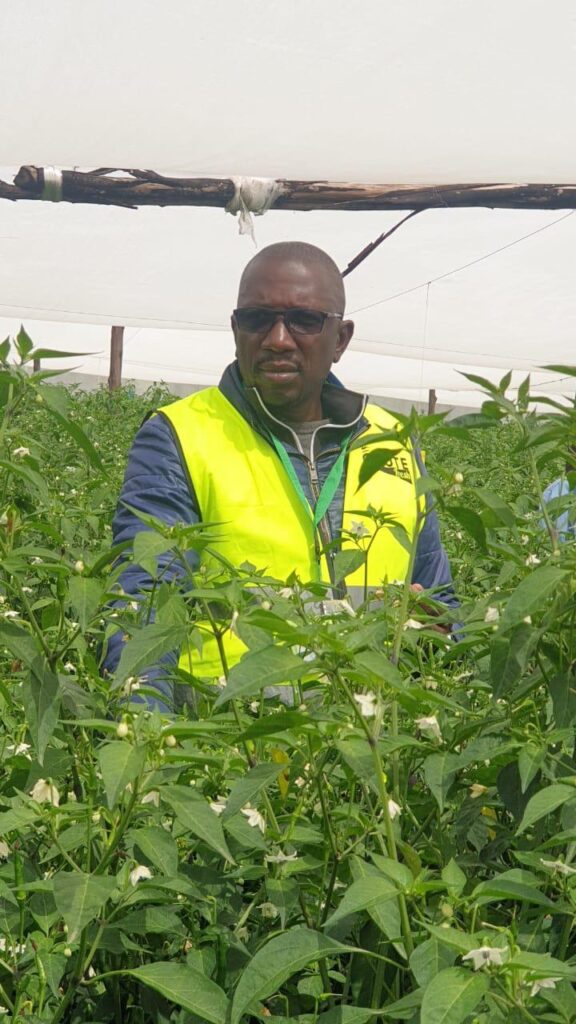
Experts estimate it takes between Sh650,000 and Sh910,000 per acre to set up the shade nets and certified infrastructure needed to meet EU requirements. On top of that, exporters must install traceability systems, operate certified washing stations, and pass phytosanitary inspections — with one in five consignments now routinely checked.
“Shading is supposed to protect,” said Paul. “But it costs more than the crop itself.”
Many farmers, like Paul, have had to import nets, often finding that they failed to meet the light transmission requirement of 5,000 mm, adding more costs.
“It takes at least 10 harvest cycles to recover the investment. For that, you need three acres. That’s over Sh2.5 million in netting alone,” he said.
The burden is so high that Kenya risks losing its Sh106 billion chili export market to regional rivals.
But despite the setbacks, Paul is not giving up.
Read aslo:
Kenya resumes regular EU chili export after 2-month ban
Chilli walls prevent farm wipeouts from monkey attacks while adding to farmer incomes
“I’m piloting a one-acre net plot this July in Ugenya and sourcing seedlings from my own nursery. With strict quality control, we hope to show this model works and reclaim our place in the UK and EU market.”
But he says the revival of Kenya’s chili exports cannot rest on individual effort alone.
“We’re exporting jobs and tax revenue, not just chilies. That hurts the whole country,” he said.
Paul now urges coordinated action from farmer cooperatives to reduce individual investment costs, and to support for local production of high-grade nets certified by agencies like CETIS.
He’s also calling for increased attention to the country’s pest control strategy, including investments in biological pest control, such as parasitic wasps, which are now helping a small proportion of growers reduce pest loads without breaching Maximum Residue Levels (MRLs) on pesticides.
“If we don’t adapt, Kenya will lose its edge,” he said.
Are you a farmer looking to grow the most profitable crop on your farm, with or without irrigation. Use FarmBizAfrica’s HarvestMAX on https://harvestmax.farmbizapps.com and it will tell you in less than a minute what the highest income-earning crops are for your weather, soil type and this season, based on your seasonal weather forecast. Don’t make weather losses ever again, and more than triple your income.