Electricity costs push chicken farmers to switch to charcoal
3 min read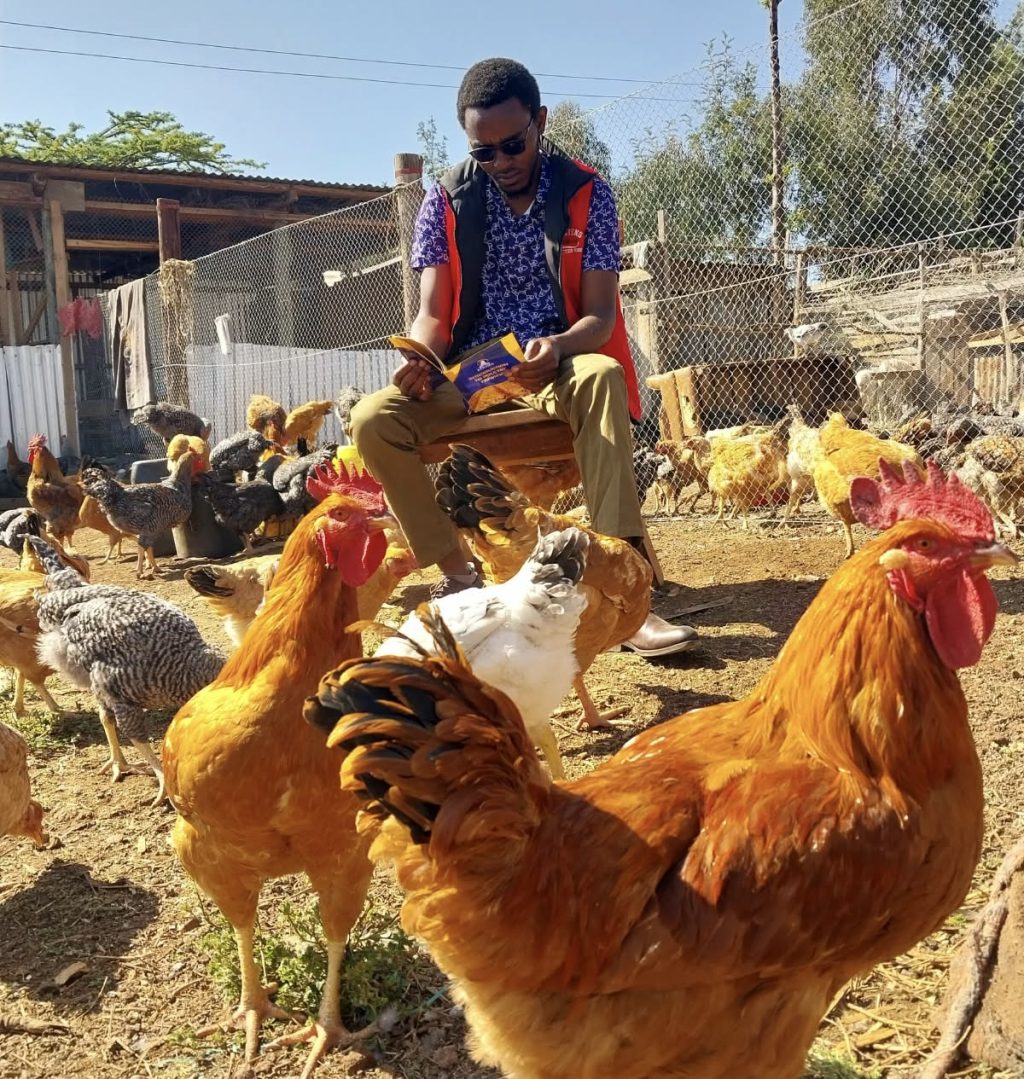
By Marion Achieng
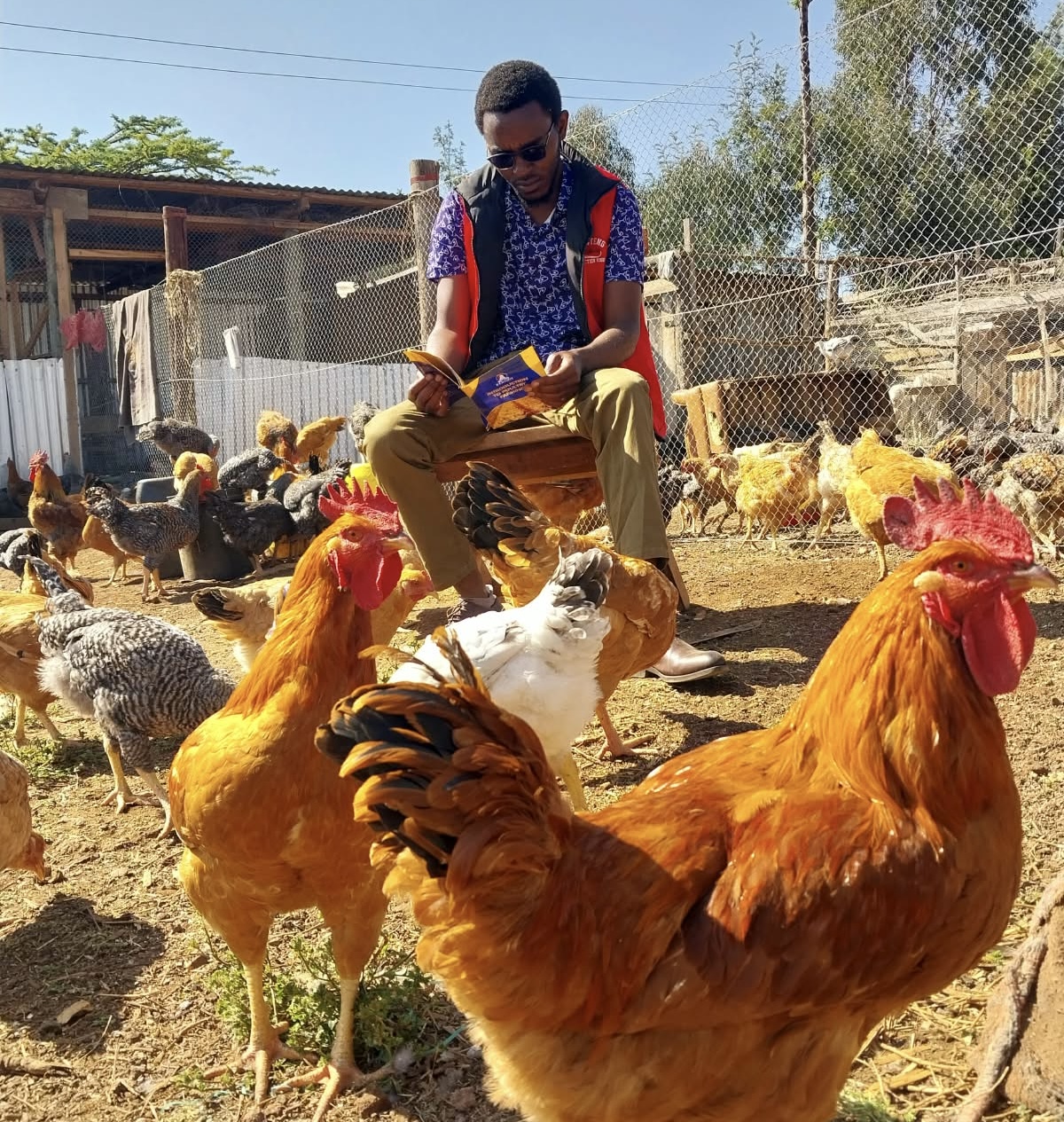
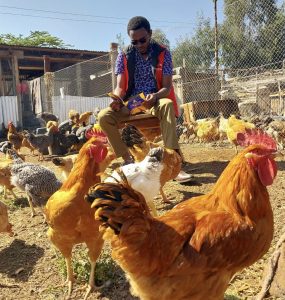
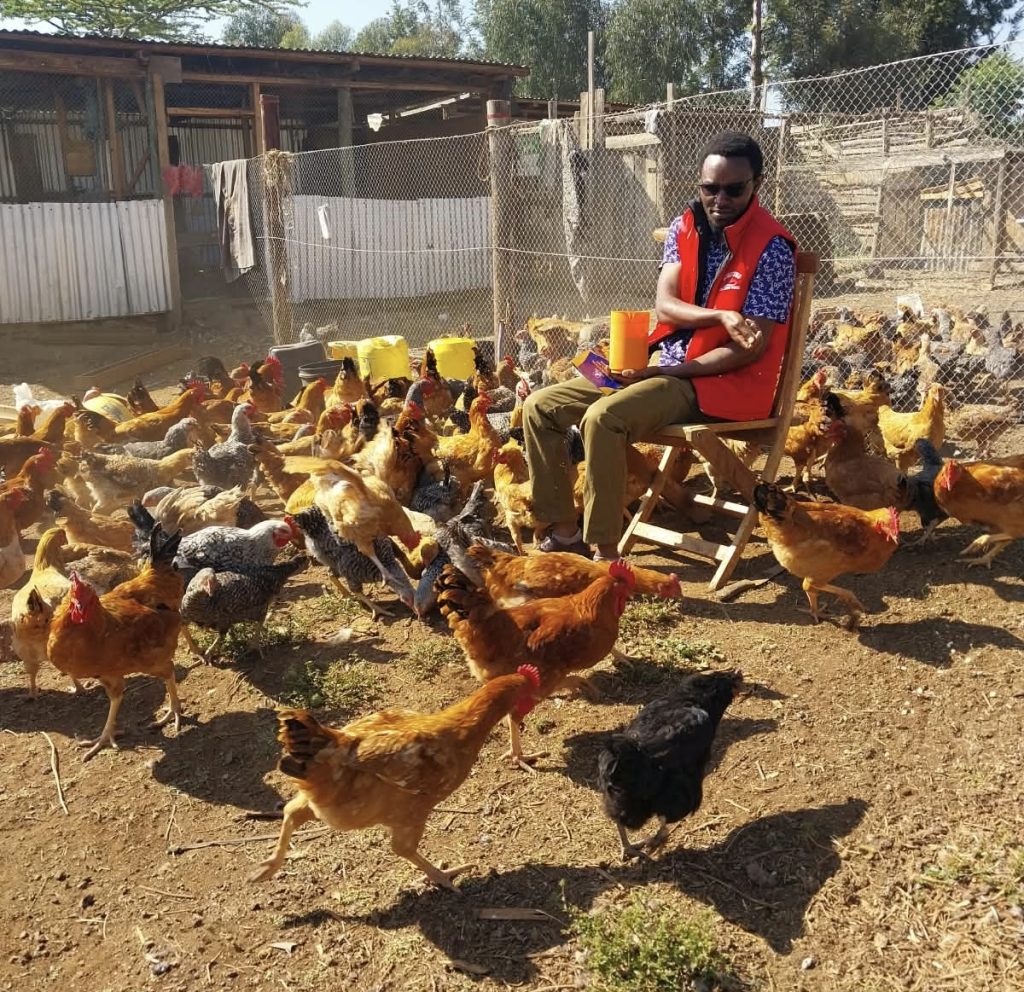
Unpredictable power outages have pushed chicken farmers like Lincoln Mwenda from Subuiga, Meru, who currently rears 3,000 day-old chicks every month for sale at three weeks old, to use charcoal despite the inconvenience it causes.
Lincoln sells the chicks to residents of Meru County and neighbouring areas such as Embu, Karatina, Chuka, Nanyuki, Isiolo, and Laikipia and sometimes raises some of the chickens to maturity for eggs and meat to sell to customers.
But just one nationwide power blackout in 2025, alone, saw him lose over 100 chicks out of a batch of 600. At the time, he was using infrared bulbs for brooding at his farm, which he started in 2022, selling 300 chicks every month and since growing to 3,000 Sasso F1 chicks a month.
“I remember a major blackout that occurred last year that lasted 3-4 hours in our area. When power was restored in other parts of the country, we had to wait longer for power to be restored in our area. I don’t know if it was load shedding or the transformer in our location had a problem. I lost birds because they crowded over each other. There was no lighting, so they were in the dark,” he said.
Despite the loss, Lincoln still had to meet the orders his customers had already placed, which disrupted normal operations at his farm.
“Some chicks died during the blackout and others sometime later because they were exposed to cold. This happened and customers had already booked chickens for delivery,” he said.
The incident was a turning point for his operations that saw him get charcoal pots for brooding, which meant not worrying about power blackouts. He said even with solar energy as an alternative, “it can run low, so charcoal pots come in handy for heating by ensuring uninterrupted warmth for chicks”.
“Today, I don’t use electricity for brooding anymore. I realised those charcoal pots are cheaper. I use one bag of charcoal to raise an entire batch of chickens from day old to maturity.”
He said the cost of charcoal in his area is low, making it a suitable option for brooding his chickens instead of heat bulbs, which not only need electricity, but also consume high amounts of energy.
“Where I am located, charcoal packed in a 100kg bag costs Sh1,000, but the price can be higher like Sh1,500 if there is a scarcity. However, it also depends on how resourceful a farmer is. It is possible to find someone selling charcoal at a much lower price, allowing you to cut the cost even further.”
“If you are using a 250Watt heat bulbs for brooding, running for 24 hours for four weeks, it can end up costing you even Sh5,000 in that short period. Heat bulbs consume a lot of energy,” he said, which increases the electricity bill for a farmer.
Lincoln said the one bag of charcoal can provide enough heating to raise 600 chicks from a day-old to three weeks, unlike two heat bulbs which is necessary for brooding 300 chicks.
The energy cost of using heat bulbs also rises depending on the number of chickens a farmer is keeping.
“A farmer may need not just one heating bulb. Depending on how many chickens they have and the size of their brooding area, they may need more bulbs. If the brooder is so wide, you will need more bulbs but if the brooder is small, maybe one bulb,” said Lincoln.
But charcoal comes with its inconveniences.
“When using brooding pots, you have to physically keep checking on the burning charcoal day and night to ensure it does not diminish, so the chicks have heating throughout. This can be tiring and inconvenient,” he said.
But the difference in the economics and preventing the unnecessary deaths of chickens on power outages, have just made it an obvious switch, he said.