Nyandarua farmer finds real solution to spider mites with detergent
5 min read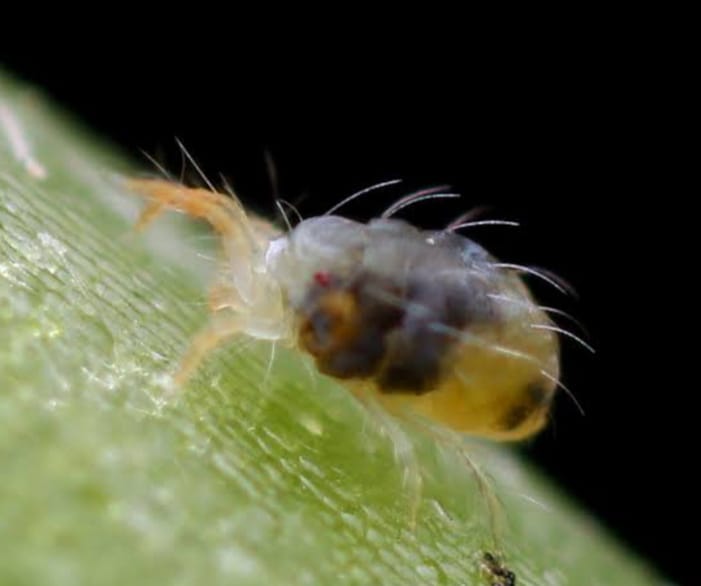
By Francis Ndungu
Nyandarua farmer John Waithaka has tripled his Cape Gooseberry production by using a flower-industry hack with detergent to rid his crops of spider mites, mealybugs, thrips, aphids, and caterpillars.
John, from Kaheho ward, used to harvest 2,000kg to 2,500kg of Cape Gooseberries a season, until spider mites took over,and ended up nearly destroying his crop.
“Pests, especially mites, are very stubborn and very difficult to control unless a strong chemical is used. But mites are very resistant to pesticides, unlike other pests, and they were causing huge harm to my crop,” he said.
“Mites reproduced rapidly and their population increased very fast, making them very difficult to control,” he said.
John said the increase was driven by female mites. “Female mites produced many eggs, resulting in a high population,” he said.
“Before I got the remedy, I tried many methods I learned from social media, but they failed terribly,” he said.
“I Googled and saw that they can be controlled using wood ash, which I sprinkled around the affected plants. But it actually attracted them more, as they preferred dusty areas, and, instead, they made webs around the ash and settled comfortably,” he said.
“I also Googled and found that the best way to get rid of mites was uprooting and properly disposing of the affected plants. I did it with a lot of passion, but the population of the mites had grown so big that it could have forced me to uproot the whole crop because almost the full plantation was affected. I just uprooted the most affected plants, but the less affected plants continued to suffer as the mites multiplied day by day, increasing my loss,” he said.
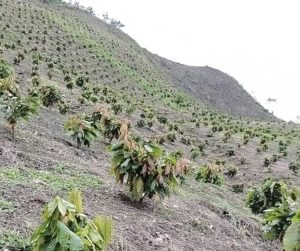
“Mites hid under the leaves and sucked the plant sap. They built webs that protected them and damaged the crops further. The berries turned yellow, many plants died, and the attacked plants stopped growing and went dormant. After a massive attack, the pests moved to the next plants and did the same,” he said.
“I lost a company that bought my Cape gooseberries initially simply because I could not satisfy them after the pests invaded my farm,” he said.

“Apart from mites, aphids and caterpillars also became a nuisance, but they were easier to manage. Mites reduced my production from 2,000kg to 600kg per season, which really frustrated my customers who needed at least 2,000kg. I tried to save myself from the loss, but all was in vain,” he said.
“But then I learned a new method of controlling mites and mealybugs using high-pressure showering from AAA Growers Company, where they controlled pests in their roses, so I decided to give it a try,” he said.
“In that company, they used a hose to shower the affected plants and mixed the water with Teepol detergent. They showered their plants with pressure, and that is exactly what I implemented on my Cape gooseberries, and it worked excellently,” he said.
“I also learned that they did it early in the morning when it was cold and the pests were not active and were crowded at one point on the plants,” he said.
“I realized that showering with detergent also controlled aphids, whiteflies, and thrips, which were major pests on my farm,” he said.
“I also suffocated caterpillars using the detergent in a different way from showering. Whenever I found a fruit affected by a caterpillar, I plucked it and dipped it in a bucket of water and detergent, pressing it so it was fully covered. Especially during sorting and grading, this method was very important because whenever I found berries affected by caterpillars, thrips, or aphids, I just dipped them inside the solution for an hour and then disposed of them in compost after they died,” he said.
“I mixed the solution in a 20-liter bucket using 20ml of Teepol detergent. I first added half the water, then stirred as I added more water up to three-quarters of the bucket, leaving space to press the affected berries or leaves,” he said.
“I could not capture all the pests during harvesting, especially mites and mealybugs, which hid under leaves and stems. Sometimes this forced me to pluck the most affected leaves and suffocate the pests in the solution,” he said.
“After showering, I removed all dead wood and dry material to help new stems grow. The old, diseased, and dead wood had blocked my plants from producing new stems and attracted mealybugs, which liked settling on decomposing surfaces,” he said.
“I bought a 500-liter tank and raised it on stands to mix the solution for showering. I preferred to shower early, before 8 am, when the pests were less active. Early in the morning, most pests were easier to capture, unlike during the day when they moved and scattered, making them harder to control,” he said.
“The first time I did vigorous showering across my plantation, I covered the whole area,” he said.
“I prepared the water solution at the rate of 20ml of detergent in 20 liters of water and showered my crops. Pressure was key to remove the spider mites’ webs and the waxy layer of mealybugs. I adjusted the nozzle to control the pressure, keeping in mind that too much could damage the leaves. I started from the most affected side and moved to the least affected side,” he said.
“Showering involved washing the entire crop from bottom to top to capture pests under the leaves. The whole plants became wet, and the pests were drained to the ground and suffocated by the detergent. As the plants dried, remaining pests on the leaves—aphids, thrips, or mites—died from starvation and suffocation. The moist conditions from showering also created an environment that pests, which prefer dry and hot conditions, could not tolerate,” he said.
Related News:
Eldoret agripreneur leads farmers into wild gooseberry wines
Cape gooseberry, wild fruit that can earn smallholders up to Sh750,000 an acre
Farmer creates all-the-time profits by getting seeds from dried Cape Gooseberries
“I repeated showering twice a week, and after a month there were no mites on my farm. Only rare cases needed spot showering. I also regularly scouted my crops to confirm they were free from mites,” he said.
“After a month, my production increased from 600 to 2,000kg, my plants became healthy, and rejection went down. Mealybugs disappeared after showering and removing all dead wood. New stems grew, giving rise to more production,” he said.
“I later got a company who bought my Cape gooseberries at Sh300 per kg. They packed them and sold them at high prices in supermarkets. Showering also reduced attacks by thrips, which prefer dry conditions,” he said.
“Showering kept the soil moist, nourished my plants, and kept away most pests that thrive in dry conditions. The method was cheap and required little skill, reducing the cost of production. Useful micro-organisms were preserved, it was environmentally friendly, and the quality of the Cape gooseberries was maintained,” he said.
Are you a farmer looking to grow the most profitable crop on your farm, with or without irrigation. Use FarmBizAfrica’s HarvestMAX on https://harvestmax.farmbizapps.com and it will tell you in less than a minute what the highest income-earning crops are for your weather, soil type and this season, based on your seasonal weather forecast. Don’t make weather losses ever again, and more than triple your income.