Farmer creates all-the-time profits by getting seeds from dried Cape Gooseberries
3 min read
By Lyzzie Owade
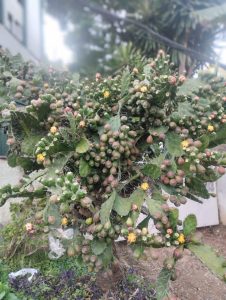
Frederick Ng’ang’a is now supplying a Nairobi food processor with Cape gooseberries after buying fruit, drying it, and planting the seeds on his quarter-acre in Kinangop, Nyandarua County.
“I was just trying it since no one in our area was doing it,” said Frederick. “I was to choose between strawberry and Cape gooseberry, but more people were doing strawberries, so I chose the Cape gooseberry.”
He bought 3kg of fruit for Sh1,050 from a university contact and raised seedlings in a nursery for four weeks before transplanting.
“The berries don’t need as much labour as other crops,” he said.
“There was a time I sold cabbages at one shilling per piece because there were no buyers. I could only sell them to those with pigs and cows. I got discouraged in farming and changed my mind because it was a very great loss on my side. Many farmers are doing great on those crops, but on my side, I couldn’t get anything — even after using all the pesticides on the market.”
But his first Cape gooseberry harvest came in under four months, producing 150kg. Two weeks later, he harvested 210kg, and then 240kg in his third round. He sells each kilo at Sh150.

“When I deduct everything I used, my profit is Sh19,000 after two weeks,” he said. “One plant can give four to five kilos when you maintain it well. For my case, I put a big stick on it so the Cape gooseberry doesn’t lie on the ground. This helps in getting more yields. What I’ve learned with Cape gooseberries is that they grow day and night if they’re well maintained.”
He uses rabbit urine in place of pesticides.
“I just put a bucket under the rabbit shade. The bucket collects urine, and when I start to see any signs that the plant has been affected by cold, I spray the animal urine to control pests and diseases.”
He posted his harvest on Facebook and got a buyer straight away, with the berries known for health because of their high levels of vitamin C.
Related News:
Increased market demand excites Tigoni gooseberry producer
Cape gooseberry, wild fruit that can earn smallholders up to Sh750,000 an acre
Eldoret agripreneur leads farmers into wild gooseberry wines
“I got a client from Githurai who supplies the Cape gooseberries through a lorry. They still have the husk on them. The customer removes the husk, packs them in a tin, and sells them around Nairobi.”
How to plant Cape gooseberries
- Plant the seeds in a nursery and wait four weeks
- Dig holes as deep and wide as for cabbage, spaced about 4 metres apart
- Add manure in each hole
- Transplant the seedlings and cover with soil
- Support each plant with a stick so the fruit doesn’t lie on the ground
Are you a farmer looking to grow the most profitable crop on your farm, with or without irrigation. Use FarmBizAfrica’s HarvestMAX on https://harvestmax.farmbizapps.com and it will tell you in less than a minute what the highest income-earning crops are for your weather, soil type and this season, based on your seasonal weather forecast. Don’t make weather losses ever again, and more than triple your income.